
Dr Jugal Kishore
About Me
Dr Jugal Kishore
MBBS
General Physician
Biography
My Clinic
OPD Hours
| Monday | Morning | 10:00 AM | - | 02:00 PM |
| Evening | 06:00 PM | - | 09:00 PM | |
| Tuesday | Morning | 10:00 AM | - | 02:00 PM |
| Evening | 06:00 PM | - | 09:00 PM | |
| Wednesday | Morning | 10:00 AM | - | 02:00 PM |
| Evening | 06:00 PM | - | 09:00 PM | |
| Thursday | Morning | 10:00 AM | - | 02:00 PM |
| Evening | 06:00 PM | - | 09:00 PM | |
| Friday | Morning | 10:00 AM | - | 02:00 PM |
| Evening | 06:00 PM | - | 09:00 PM | |
| Saturday | Morning | 10:00 AM | - | 02:00 PM |
| Evening | 06:00 PM | - | 09:00 PM | |
| Sunday | Morning | 10:00 AM | - | 02:00 PM |
| Evening | 06:00 PM | - | 09:00 PM |
Treatments
Specialised care and treatments offered
GASTROESOPHAGEAL REFLUX DISEASE (GERD) TREATMENT
This common digestive disorder occurs when stomach acid frequently leaks into the esophagus causing irritation leading discomfort after meals known medically as reflux disease.” Proper management strategies ensure relief from discomfort experienced mainly post-meals .”
- Symptoms: Classic indications including heartburn , regurgitation & difficulty swallowing experienced following meals .
- Causes: Factors contribute includes obesity , smoking & certain foods trigger episodes exacerbating symptoms .
- Diagnosis: Healthcare professionals utilize endoscopy coupled alongside symptomatic assessments evaluating severity level .
- Treatment options: Lifestyle modifications (diet changes), OTC medications + possibly prescription drugs based upon severity ensure symptom relief while addressing root cause effectively.
WEIGHT MANAGEMENT COUNSELING

Weight management counseling equips individuals with guidance on achieving healthy body weight through informed decision-making about nutrition and physical activity levels. This support system often leads not only toward weight loss but also improved overall well-being!
Create awareness regarding both healthy eating habits as well as exercise routines.- The foundational aspect revolves around creating realistic goals tailored specifically according each person's unique circumstances!
PREVENTIVE HEALTH CHECK-UPS

A preventive health check-up aims at detecting potential health issues early before they turn into severe problems. These routine visits play a vital role in maintaining overall wellness throughout life stages.
- Symptoms: Generally asymptomatic; however some conditions like high cholesterol or diabetes may show no obvious signs initially.
- Causes : Lifestyle factors such as poor diet and physical inactivity contribute significantly to chronic diseases that preventive checks address early on.
- Diagnosis : Check-ups typically involve comprehensive examinations including vital signs assessment and laboratory tests tailored based on age and risk factors.
- Treatment options : Recommendations based on findings may include diet modifications; exercise programs; screening for certain cancers or other diseases may also be advised based on age/gender guidelines .
- What to expect : A thorough evaluation provides peace of mind concerning one’s health status while enabling personalized recommendations suited for each individual’s needs .
Engaging in regular preventive check-ups empowers patients toward proactive health management leading ultimately towards improved outcomes across various aspects of well-being!
ALLERGY TESTING
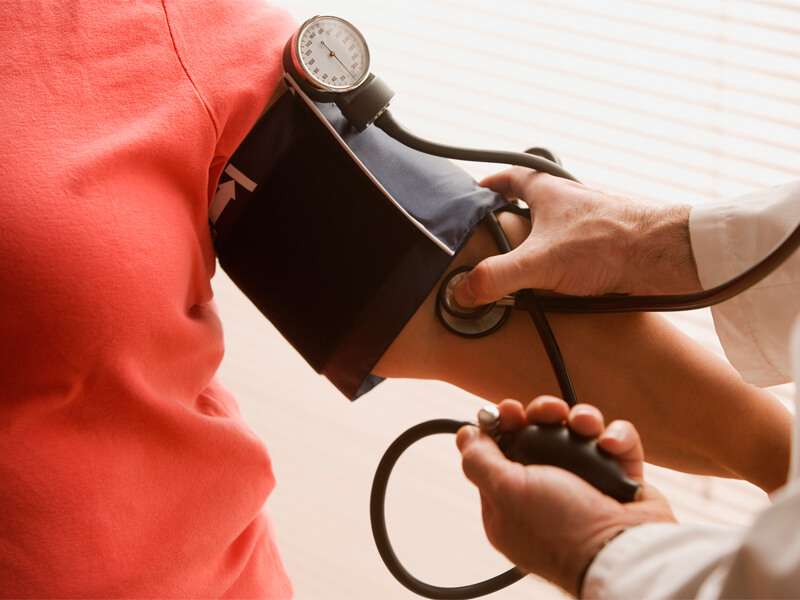
An allergy occurs when the immune system reacts to substances (allergens) that are typically harmless. Allergy testing helps identify specific allergens affecting individuals' quality of life.
- Symptoms: Allergic reactions can manifest as sneezing, rashes, swelling, or respiratory difficulties depending on the allergen involved.
- Causes: Common allergens include pollen, dust mites, pet dander, certain foods, and insect stings.
- Diagnosis: Allergy testing usually involves skin prick tests or blood tests to determine sensitivity to specific allergens.
- Treatment options: Avoidance of identified allergens is crucial; antihistamines or immunotherapy may also be recommended for symptom relief.
- What to expect : Managing allergies requires an ongoing understanding of triggers and treatments to maintain a good quality of life while minimizing symptoms.
Identifying allergies through comprehensive testing facilitates effective management strategies that can greatly enhance comfort in daily activities.
DIABETES SCREENING

Diabetes screening is essential for identifying individuals who are at risk of developing diabetes or those who already have the condition but remain undiagnosed. Early detection can significantly improve management outcomes.
- Symptoms: Common symptoms include increased thirst, frequent urination, extreme fatigue, and blurred vision.
- Causes: Type 2 diabetes often results from genetic factors combined with obesity and sedentary lifestyle choices.
- Diagnosis: Screening involves blood tests that measure glucose levels. A fasting blood sugar test or an A1C test can confirm diagnosis.
- Treatment options: Management typically includes dietary adjustments, regular exercise, and possibly medication like insulin or metformin if needed.
HYPERTENSION MANAGEMENT
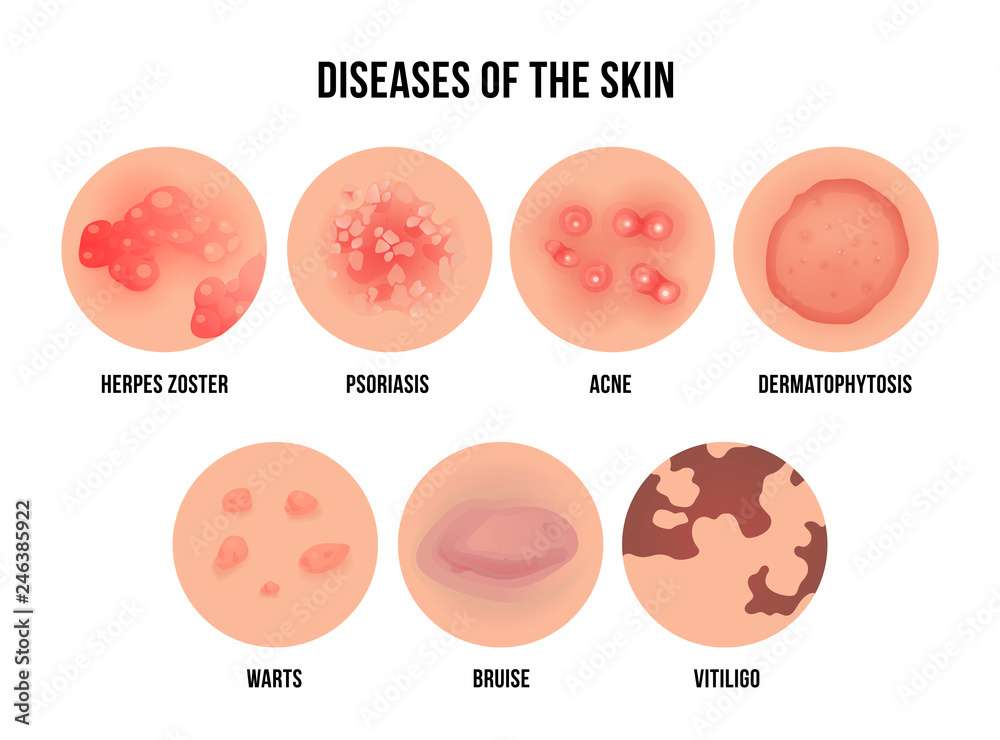
Hypertension, commonly known as high blood pressure, is a condition where the force of the blood against the artery walls is consistently too high. It is often called a silent killer because it may not present any symptoms until significant damage occurs.
- Symptoms: Many individuals may not experience noticeable symptoms; however, some may experience headaches, fatigue, or blurred vision.
- Causes: Factors contributing to hypertension include obesity, lack of physical activity, excessive salt intake, and genetics.
- Diagnosis: Blood pressure readings are taken using a sphygmomanometer during a medical check-up. Regular monitoring is essential for those at risk.
- Treatment options: Lifestyle changes such as diet modification and increased physical activity are often recommended alongside medications like diuretics or ACE inhibitors when necessary.
- What to expect: Monitoring your blood pressure regularly will be crucial to managing your condition effectively and preventing complications.
If left untreated, hypertension can lead to serious health issues like heart disease or stroke. Therefore, proactive management is key to maintaining overall health.