
Dr Jugal Praful Shah
About Me
Dr Jugal Praful Shah
Cardiologist
Biography
My Clinic
OPD Hours
| Tuesday | Morning | 10:00 AM | - | 02:00 PM |
| Evening | 06:00 PM | - | 09:00 PM | |
| Wednesday | Morning | 10:00 AM | - | 02:00 PM |
| Evening | 06:00 PM | - | 09:00 PM | |
| Thursday | Morning | 10:00 AM | - | 02:00 PM |
| Evening | 06:00 PM | - | 09:00 PM | |
| Friday | Morning | 10:00 AM | - | 02:00 PM |
| Evening | 06:00 PM | - | 09:00 PM | |
| Saturday | Morning | 10:00 AM | - | 02:00 PM |
| Evening | 06:00 PM | - | 09:00 PM | |
| Sunday | Morning | 10:00 AM | - | 02:00 PM |
| Evening | 06:00 PM | - | 09:00 PM | |
| Thursday | Morning | 10:00 AM | - | 02:00 PM |
| Evening | 06:00 PM | - | 09:00 PM |
Treatments
Specialised care and treatments offered
IMPLANTABLE CARDIOVERTER-DEFIBRILLATOR (ICD) PLACEMENT

An ICD placement is crucial intervention aimed chiefly at preventing sudden cardiac death in high-risk individuals. These devices monitor your heartbeat continuously and provide shocks when life-threatening arrhythmias occur, safeguarding against potential adverse events effectively while restoring normal rhythm promptly when necessary.
- Individuals at risk might showcase signs such myocarditis leading towards increased ventricular fibrillation susceptibility sensing duration between these supportive measures should not wait too long before standards become alarming!
- Diagnosis typically entails computerized electrocardiogram readings alongside comprehensive assessments made regarding past medical history ensuring precise evaluations take place beforehand!
- During this outpatient surgery employing local anesthesia allows insertion based under skin either left shoulder/chest area connecting wirelessly onto affected areas identified previously would rely heavily upon unique personal requirements feedback throughout entire process.#< / l;i >
- Daily activities resume relatively fast however periodic follow-up appointments ensure device effectiveness reviewing battery status plus overall performance monitored extensively post-operation identially relating toward their respective specialists involved management plans enhance survivability odds greatly maximizing quality once trial returns back home satisfactorily!
Ultimately implanting ICDs offers substantial peace mind knowing how much safer lives have become handling dangerous risks associated abnormal beating patterns presented initially prolonged before solutions available!
ABLATION THERAPY
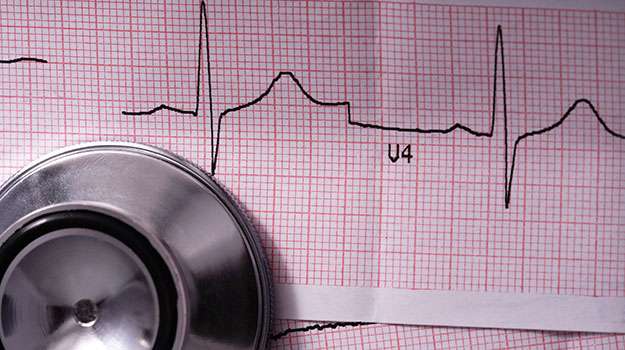
Ablation therapy serves as an effective treatment option for multiple arrhythmias—irregular heartbeats resulting from disordered electrical pathways. By strategically destroying abnormal tissue causing these arrhythmias via heat or cold energy, ablation provides lasting relief for many afflicted individuals.
- The causes, such as atrial fibrillation or flutter triggered by structural heart issues require careful evaluation through diagnostic methods like electrophysiology studies before proceeding with ablation therapy itself.'
CARDIAC BYPASS SURGERY
This major surgical procedure creates a new pathway for blood flow around blocked arteries in the heart. Cardiac bypass surgery improves blood circulation significantly in patients suffering from coronary artery disease (CAD) and can alleviate severe chest pain as well as prevent potential heart attacks.
- Main symptoms, including persistent angina, fatigue during physical activity, or even heart failure markers can indicate CAD implications requiring bypass intervention.
- An accurate diagnosis, often performed using angiography alongside various imaging tests, determines blockage locations and severity for preparation for surgery.
- The procedure involves taking vessels from other parts of the body (such as veins from legs) to create diversions around affected areas in coronary arteries.
TRANSCATHETER AORTIC VALVE REPLACEMENT (TAVR)
TAVR is a groundbreaking procedure designed for patients with severe aortic stenosis who are at higher risk for traditional surgery. This innovative method allows for a new valve to be inserted through a small incision in the leg or chest, significantly reducing recovery time while providing effective symptom relief.
- Main symptoms include severe fatigue, dizziness during exertion, and shortness of breath when active or lying flat.
- The diagnosis process usually involves echocardiography and physical examinations to evaluate severity levels accurately.
- Treatment options typically consist of implanting a balloon-expandable or self-expanding valve that expands within the existing faulty valve structure.
- A brief hospital stay and rapid recovery can be expected compared to traditional surgical approaches, allowing patients quicker return back home.
This less invasive option has revolutionized treatment for those who are unable to undergo conventional surgery due to age or health concerns.
HEART VALVE REPAIR
Heart valve repair is a surgical procedure aimed at correcting issues related to one or more of the heart's valves. It can restore proper function and alleviate symptoms like fatigue and shortness of breath caused by valve disorders.
- The main causes include congenital defects, rheumatic fever, or degeneration due to age.
- A comprehensive diagnosis often involves echocardiograms and other imaging tests to assess valve function.
- Surgery may include techniques such as annulus enlargement or leaflet repair without replacing the valve itself.
- Pateitents are likely to experience improved heart function post-surgery, often leading to enhanced overall health and lifestyle capabilities.
The approach minimizes risks associated with full replacement surgeries, making it a favorable option for many patients.
CORONARY ANGIOPLASTY
Coronary angioplasty is a minimally invasive procedure used to open up blocked or narrowed coronary arteries, which supply blood to the heart muscle. This technique helps restore normal blood flow, alleviating symptoms of chest pain and can significantly reduce the risk of heart attacks.
- Symptoms of blocked arteries may include chest pain (angina), shortness of breath, and fatigue.
- Diagnosis often involves an angiogram, where contrast dye is injected into the arteries to visualize blockages via X-ray imaging.
- Treatment typically includes balloon dilation to widen the artery and may involve placing a stent to keep it open.
- Patients can expect a brief recovery period, usually with minimal hospital stay, followed by cardiac rehabilitation.
This procedure has helped many individuals regain their quality of life by improving blood circulation to the heart.