
Dr Jyotashana Shu
About Me
Dr Jyotashana Shu
MS
Orthopaedic Surgeons
10 Years Experience
Biography
My Clinic
OPD Hours
| Monday | Morning | 10:00 AM | - | 02:00 PM |
| Evening | 06:00 PM | - | 09:00 PM | |
| Tuesday | Morning | 10:00 AM | - | 02:00 PM |
| Evening | 06:00 PM | - | 09:00 PM | |
| Wednesday | Morning | 10:00 AM | - | 02:00 PM |
| Evening | 06:00 PM | - | 09:00 PM | |
| Thursday | Morning | 10:00 AM | - | 02:00 PM |
| Evening | 06:00 PM | - | 09:00 PM | |
| Friday | Morning | 10:00 AM | - | 02:00 PM |
| Evening | 06:00 PM | - | 09:00 PM | |
| Saturday | Morning | 10:00 AM | - | 02:00 PM |
| Evening | 06:00 PM | - | 09:00 PM | |
| Sunday | Morning | 10:00 AM | - | 02:00 PM |
| Evening | 06:00 PM | - | 09:00 PM |
Treatments
Specialised care and treatments offered
TENDINITIS
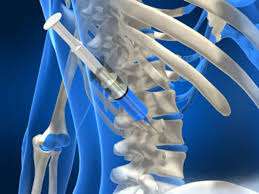
Tendinitis refers to inflammation or irritation of a tendon resulting from repetitive motion or overuse. It commonly affects areas like shoulders (rotator cuff), elbows (tennis elbow), knees (jumper's knee), etc., impacting daily activities considerably!
- Patients typically report localized tenderness near joints accompanied by dull aches worsening upon movement/pasive stretching !
- Clinical assessments involving history review complemented by imaging where needed help effectively diagnose these conditions !
- Treatment modalities emphasize anti-inflammatory medications alongside rest alongwith modified activity levels so healing occurs optimally !
- Depending severity physiotherapy focused on stretches/strengthening exercises become integral part recuperation strategy too !
- Effective prevention strategies include gradual increases in activity levels while ensuring excellent warm-up/cool-down routines beforehand !
Early detection ensures quicker recoveries empowering individuals regain functionality allowing them return athletic pursuits soon !
ANKLE SPRAINS
Ankle sprains occur when ligaments supporting the ankle stretch or tear due to sudden twisting movements. This common injury is prevalent among athletes but can happen during everyday activities as well.
- Sufferers usually experience immediate swelling, bruising, and acute pain around the affected area following the injury event!
- Diagnosis incorporates assessing symptoms along with clinical examinations focusing specifically on stability tests of ankle movement.
- Recommended treatment often embraces R.I.C.E - Resting & Ice application while Compression & Elevation aids recovery within days!
- In cases of recurrent sprains or severe instability & targeted rehabilitation programs are advised!
- Most patients find full restoration possible given proper adherence towards physical therapy protocols!
Prompt care for ankle sprains significantly minimizes downtime enhancing overall mobility in daily instances!
KNEE OSTEOPOROSIS

Knee osteoporosis refers to weakened bone density around the knee joint which increases fracture risk. It’s particularly important for older adults to monitor this condition as it often goes unnoticed until a fracture occurs.
- Common signs might not appear initially; however, increased susceptibility to fractures serves as an essential warning sign of underlying issues.
- An initial assessment includes a thorough bone density test, alongside clinical evaluations looking at family history and lifestyle factors influencing bone health.
- Treatment focuses on nutritional support with calcium and vitamin D supplements combined with prescribed exercise regimens aimed at strengthening bones.
- In certain cases, medications known as bisphosphonates might be recommended by your healthcare provider.
- Regular follow-ups can help manage this condition effectively while preventing progression.
Understanding knee osteoporosis fosters early intervention ensuring better health outcomes over time.
LUMBAR DISC HERNIATION

Lumbar disc herniation occurs when the soft inner material of a spinal disc protrudes through its outer layer. This condition can cause significant back pain and nerve-related symptoms in the legs.
- The most prevalent symptom is severe lower back pain which may radiate down one leg due to nerve compression.
- A detailed neurological examination, supported by MRI scans, helps confirm the diagnosis.
- Treatment approaches typically start with non-surgical interventions including rest, physical therapy, and pain management techniques.
- If non-invasive methods fail after an adequate trial period, surgical options such as discectomy may be discussed.
- The prognosis is generally favorable with proper treatment; many patients make a full recovery within weeks to months.
Catching lumbar disc herniation early allows for more effective management strategies to be employed for optimal recovery outcomes.
ROTATOR CUFF INJURY

A rotator cuff injury refers to damage to the group of muscles and tendons that stabilize the shoulder. This injury can range from mild strain to complete tears.
- Pain, weakness in the shoulder, and difficulty lifting the arm are common symptoms.
- Differential diagnosis typically involves a thorough physical examination coupled with MRI or ultrasound imaging.
- Treatment options vary depending on severity but often include physical therapy, anti-inflammatory medications, and sometimes corticosteroid injections.
- Surgical intervention may be required for more severe injuries or if conservative measures fail.
- Patients should anticipate a recovery period during which strength and flexibility are gradually restored through rehabilitation programs.
Early identification and appropriate management of rotator cuff injuries can lead to better long-term outcomes for patients.
OSTEOARTHRITIS

Osteoarthritis is a degenerative joint disease that commonly affects older adults. It occurs when the cartilage that cushions joints gradually wears away, leading to pain and stiffness.
- Symptoms include joint pain, swelling, and reduced flexibility.
- The condition is typically diagnosed through a combination of medical history, physical examination, and imaging tests such as X-rays.
- Management may involve lifestyle changes, physiotherapy, and in some cases, medication to alleviate pain and inflammation.
- In severe cases, surgical options like joint replacement may be considered.
- Patients can expect gradual improvement with consistent care and management strategies.
Receiving early treatment for osteoarthritis can significantly improve quality of life by reducing symptoms and maintaining mobility.