
Dr Jyotsna Deepak Patel
About Me
Dr Jyotsna Deepak Patel
General Physician
Biography
My Clinic
OPD Hours
| Tuesday | Morning | 10:00 AM | - | 02:00 PM |
| Evening | 06:00 PM | - | 09:00 PM | |
| Wednesday | Morning | 10:00 AM | - | 02:00 PM |
| Evening | 06:00 PM | - | 09:00 PM | |
| Thursday | Morning | 10:00 AM | - | 02:00 PM |
| Evening | 06:00 PM | - | 09:00 PM | |
| Friday | Morning | 10:00 AM | - | 02:00 PM |
| Evening | 06:00 PM | - | 09:00 PM | |
| Saturday | Morning | 10:00 AM | - | 02:00 PM |
| Evening | 06:00 PM | - | 09:00 PM | |
| Sunday | Morning | 10:00 AM | - | 02:00 PM |
| Evening | 06:00 PM | - | 09:00 PM | |
| Thursday | Morning | 10:00 AM | - | 02:00 PM |
| Evening | 06:00 PM | - | 09:00 PM |
Treatments
Specialised care and treatments offered
HYPERTENSION

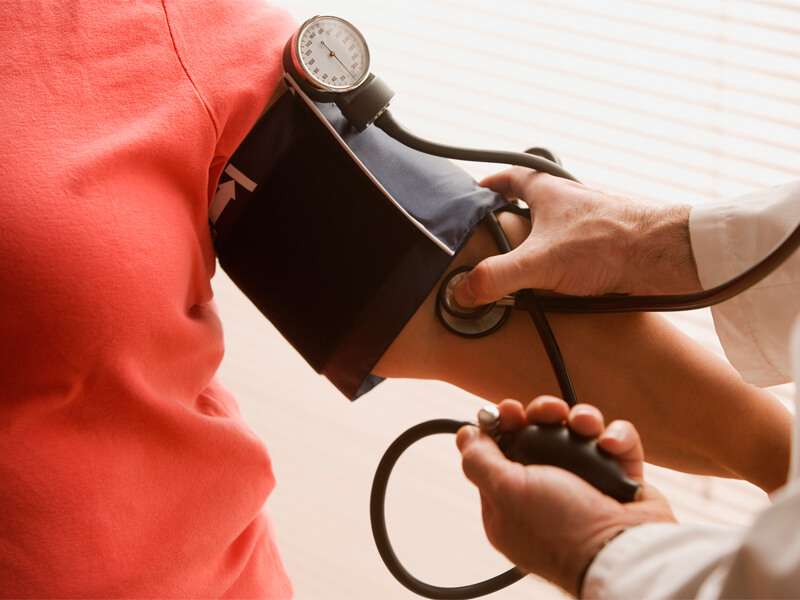
Hypertension refers to consistently elevated blood pressure levels that may pose serious health risks over time. Recognizing its causes and managing this condition effectively reduces potential complications such as heart disease or stroke. Patient education plays an integral role in hypertension awareness and prevention strategies among various demographics affected by this chronic issue throughout their lifetimes..
- This silent condition typically presents no obvious symptoms, making regular check-ups essential for detection;
PNEUMONIA

Pneumonia is an infection that inflames the air sacs in one or both lungs which may fill with fluid or pus. Early identification of pneumonia's signs can facilitate timely treatment. Awareness of effective approaches ensures better health outcomes for patients experiencing respiratory issues related to this condition.
- Main symptoms involve cough producing phlegm or pus, fever, chills, difficulty breathing, and sharp chest pain during inhalation or coughing.
- A diagnosis is commonly made using chest X-rays or CT scans along with laboratory tests on sputum samples.
- Treatment usually entails antibiotics if bacterial infection is suspected plus supportive measures like rest and hydration
- Patients need to monitor their condition closely; follow-up visits are essential if symptoms do not improve within days
- Vaccinations exist that can help prevent certain types of pneumonia especially in high-risk populations
Prompt attention to pneumonia can significantly enhance recovery times while reducing risk factors associated with severe illness
URINARY TRACT INFECTION (UTI)
A urinary tract infection (UTI) occurs when bacteria infect any part of the urinary system. This condition can lead to significant discomfort if not addressed promptly. Awareness of the signs and treatment options is crucial for affected individuals.
- The main symptoms include frequent urge to urinate, burning sensation during urination, cloudy urine, and pelvic pain in women.
- A healthcare professional often diagnoses UTIs through urine tests checking for bacteria or blood presence.
- Treatment typically involves antibiotics to eliminate the infection; it’s vital to complete the full course even if symptoms improve early on.
- Increased fluid intake helps flush out bacteria from the urinary tract effectively.
- If left untreated, UTIs may lead to kidney infections requiring more intensive treatment; thus prompt care is important.
Pursuing timely medical advice aids in effective UTI management while minimizing potential complications in your health journey.
GASTROENTERITIS
Gastroenteritis, commonly known as stomach flu, is an inflammation of the stomach and intestines often caused by viral or bacterial infections. This condition leads to significant discomfort and understanding its management is essential for quick recovery.
- Key symptoms include diarrhea, vomiting, abdominal cramps, and fever.
- A healthcare provider will typically diagnose gastroenteritis through patient history and physical examination; lab tests might be necessary in severe cases.
- Treatment focuses on staying hydrated; oral rehydration solutions are beneficial for restoring lost fluids.
- Avoiding solid food initially until symptoms decrease can be helpful before gradually reintroducing bland foods.
- The prognosis is generally positive as most patients recover within a few days with appropriate care and hydration.
Effective management ensures that gastroenteritis resolves quickly with minimal disruption to daily life activities.
ACUTE BRONCHITIS

Acute bronchitis is a common respiratory condition characterized by inflammation of the bronchial tubes. It often develops from a cold or respiratory infection and can be quite uncomfortable. Understanding its causes and management options is crucial for recovery.
- Symptoms typically include coughing, mucus production, shortness of breath, and chest discomfort.
- Diagnosis often involves a physical examination and listening to the lungs with a stethoscope for abnormal sounds.
- Treatment may include rest, increased fluid intake, and over-the-counter medications to relieve symptoms.
- In some cases, a healthcare provider may prescribe inhalers or steroids if breathing difficulties are significant.
- Patients can expect gradual improvement within a few weeks, but persistent symptoms should prompt further medical evaluation.
With proper care, acute bronchitis usually resolves without complications, allowing individuals to return to their normal activities swiftly.