
Dr Jyotsna Deo
About Me
Dr Jyotsna Deo
Dermatologist
Biography
My Clinic
OPD Hours
| Tuesday | Morning | 10:00 AM | - | 02:00 PM |
| Evening | 06:00 PM | - | 09:00 PM | |
| Wednesday | Morning | 10:00 AM | - | 02:00 PM |
| Evening | 06:00 PM | - | 09:00 PM | |
| Thursday | Morning | 10:00 AM | - | 02:00 PM |
| Evening | 06:00 PM | - | 09:00 PM | |
| Friday | Morning | 10:00 AM | - | 02:00 PM |
| Evening | 06:00 PM | - | 09:00 PM | |
| Saturday | Morning | 10:00 AM | - | 02:00 PM |
| Evening | 06:00 PM | - | 09:00 PM | |
| Sunday | Morning | 10:00 AM | - | 02:00 PM |
| Evening | 06:00 PM | - | 09:00 PM | |
| Thursday | Morning | 10:00 AM | - | 02:00 PM |
| Evening | 06:00 PM | - | 09:00 PM |
Treatments
Specialised care and treatments offered
CONTACT DERMATITIS
Contact dermatitis represents an inflammatory response occurring upon direct contact with irritants or allergens. This condition manifests mostly through rashes that can appear anywhere on the body but commonly affects exposed areas such as hands and face.
- Symptoms typically comprise redness accompanied by itching; blisters could appear depending upon severity resulting from exposure duration.
- Diagnosis usually stems from thorough patient history outlining potential exposures followed by clinical examination confirming rash characteristics related closely linked allergen type involved.
- Treatment options frequently encompass antihistamines relieving itchiness alongside topical corticosteroids assisting inflammation reduction effectively once documented poison ivy etc causes have been identified accordingly!
- Prevention techniques focus heavily around avoidance procedures specifying known triggers outlined previously during consultation sessions aiding proactive measures taken consciously going foward throughout daily routines definitely pays off greatly if possible!
< strong />If you're experiencing allergic reactions after contact with substances however minor they seem , seeking immediate input reduces further complications down line seen too many times without proper advise !
ROSACEA
Rosacea is a chronic facial skin condition characterized by flushing redness often accompanied by visible blood vessels. It primarily affects adults between 30-50 years old but instances in younger individuals are not uncommon either.
- Common symptoms include blotchy redness across the nose and cheeks accompanied by potential bumps resembling acne.
- Diagnosis often relies on clinical evaluation considering both history of facial flushing episodes alongside visible symptoms.
- Management may involve topical treatments like metronidazole alongside lifestyle changes including avoiding known triggers such as hot beverages or spicy foods.
- Long-term care might involve laser therapy options providing cosmetic relief especially for persistent redness due to broken capillaries.
- Routine consultations can help adjust treatment protocols ensuring optimal results while managing flare-ups effectively.
Seeking assistance early plays an important role in controlling rosacea symptoms proactively!
MELASMA
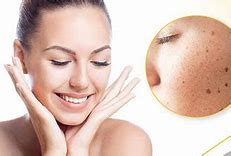
Melasma is a common pigmentation disorder characterized by brown or gray-brown patches on the face. It predominantly affects women and can be triggered by hormonal changes such as pregnancy or birth control use.
- The main symptom includes irregular spots usually found on cheeks, forehead or upper lip which may vary in intensity based on sun exposure or hormonal fluctuations.
- A visual assessment by a dermatologist typically suffices for diagnosis; sometimes additional tests may be conducted if needed.
- Treatment includes topical agents like hydroquinone or chemical peels designed to lighten the pigmentation over time while using broad-spectrum sunscreen to prevent worsening from UV exposure.
- A consistent skincare routine combined with professional guidance forms an effective strategy against melasma recurrence post-treatment.
PSORIASIS
Psoriasis is an autoimmune condition that leads to rapid skin cell production resulting in scaly patches on the skin's surface. These patches can cause discomfort and appear most commonly on elbows, knees, scalp, and lower back.
- Symptoms often include thickened red patches covered with silvery scales along with itching or burning sensations.
- The diagnosis is generally based on visual inspection paired with a review of personal medical history to differentiate it from other dermatological conditions.
- Treatment varies widely from topical treatments like corticosteroids to systemic medications such as biologics aimed at moderating immune response.
- An essential part of management involves lifestyle modifications including maintaining a healthy diet and controlling stress levels that can exacerbate symptoms.
- The prognosis can improve significantly with appropriate treatment plans tailored specifically for each individual’s needs.
If you notice signs resembling psoriasis, consulting a specialist for early intervention is advisable for better outcomes.
ECZEMA (ATOPIC DERMATITIS)
Eczema, particularly atopic dermatitis, is a chronic inflammatory skin condition characterized by red, itchy patches. It is often seen in children but can persist into adulthood.
- The primary symptom involves dry and itchy skin that may become cracked or thickened over time due to scratching.
- This condition is diagnosed via patient history and physical examination focusing on rash characteristics.
- Common management strategies include moisturizers to keep the skin hydrated along with topical corticosteroids to control inflammation.
- Avoiding known triggers such as certain fabrics or foods can significantly help in managing flare-ups.
- Ongoing treatment may be necessary as eczema tends to recur throughout life; regular follow-ups help manage symptoms effectively.
A comprehensive approach combining home care and medical advice is crucial for long-term relief from eczema symptoms.
ACNE VULGARIS
Acne vulgaris is a common skin condition that affects many individuals, particularly during adolescence. It occurs when hair follicles become clogged with oil and dead skin cells, leading to the formation of pimples, blackheads, and cystic lesions.
- Symptoms include whiteheads, blackheads, and inflamed red spots often appearing on the face, back, and shoulders.
- Diagnosis is typically made through a physical examination of the skin along with considerations of medical history.
- Treatment options consist of topical retinoids, oral contraceptives for women, antibiotics, and in some cases, isotretinoin for more severe cases.
- Management may require a combination of treatments over time to effectively reduce outbreaks and scarring.
- Expectations include gradual improvement of the skin’s appearance; however, results can vary from person to person.
If you are experiencing persistent acne issues, seek professional guidance for tailored treatment strategies.