
Dr Jyotsna Kirtane
About Me
Dr Jyotsna Kirtane
Pediatrician
Biography
My Clinic
OPD Hours
| Tuesday | Morning | 10:00 AM | - | 02:00 PM |
| Evening | 06:00 PM | - | 09:00 PM | |
| Wednesday | Morning | 10:00 AM | - | 02:00 PM |
| Evening | 06:00 PM | - | 09:00 PM | |
| Thursday | Morning | 10:00 AM | - | 02:00 PM |
| Evening | 06:00 PM | - | 09:00 PM | |
| Friday | Morning | 10:00 AM | - | 02:00 PM |
| Evening | 06:00 PM | - | 09:00 PM | |
| Saturday | Morning | 10:00 AM | - | 02:00 PM |
| Evening | 06:00 PM | - | 09:00 PM | |
| Sunday | Morning | 10:00 AM | - | 02:00 PM |
| Evening | 06:00 PM | - | 09:00 PM | |
| Thursday | Morning | 10:00 AM | - | 02:00 PM |
| Evening | 06:00 PM | - | 09:00 PM |
Treatments
Specialised care and treatments offered
OTITIS MEDIA (EAR INFECTION)

Otitis media refers to an infection or inflammation of the middle ear. It's particularly prevalent among young children due to their anatomical structure which makes them more susceptible to infections following colds or allergies.
- The primary symptom includes ear pain which could manifest as irritability or tugging at the ear by younger kids; fever might also accompany this discomfort.
- Diagnosis hinges on observing typical signs during an examination along with understanding a patient's previous health background related specifically toward frequent colds/infections .
- Management options can involve watchful waiting since many cases resolve spontaneously; however,antibiotics may be prescribed if not improving comfortably after an initial period .
- Although most recover completely without complications after appropriate care procedures ongoing evaluations remain crucial throughout recovery process—heeding potential recurrences .
Monitoring ear health regularly ensures better prevention methods towards these common childhood ailments moving forward!
HAND-FOOT-AND-MOUTH DISEASE

This highly contagious viral infection primarily affects younger children. It typically presents with sores in the mouth and rash on hands and feet. While it usually resolves itself without severe outcomes, it requires attention due to discomfort it causes kids during its peak phase.
- Main symptoms include fever followed by painful sores within the mouth as well as a rash comprising small red spots that may blister on palms and soles of feet.; some kids might also experience general malaise.
- The diagnosis commonly relies on clinical evaluation where identifying characteristic lesions aids certainty about infection type involved;
- No specific medication exists since it's viral; treatment focuses on relieving discomfort through fever management using acetaminophen and ensuring proper hydration among affected kids .
- Proper hygiene practices must be observed at home ; school absenteeism might help curb its spread among other kids .
Recovery time varies but most individuals improve significantly within 7-10 days without lasting effects…
DEHYDRATION

Dehydration occurs when the body loses more fluids than it takes in. It is especially critical in young children due to their smaller size and higher susceptibility to fluid loss from illnesses such as diarrhea or vomiting.
- Main symptoms might include dry mouth, decreased urine output, lethargy or irritability in infants and children alike.
- A doctor typically assesses hydration levels through clinical evaluations alongside taking history regarding fluid intake during illness.
- Treatment generally involves rehydrating the child with oral rehydration solutions; severe cases may need intravenous fluids given at a hospital setting.
- This condition emphasizes the importance of monitoring fluid intake during illness; parents should be vigilant about signs of dehydration following viral infections or diarrhea events.
If managed properly with prompt action when signs appear, most children recover quickly from dehydration-related issues.
PNEUMONIA
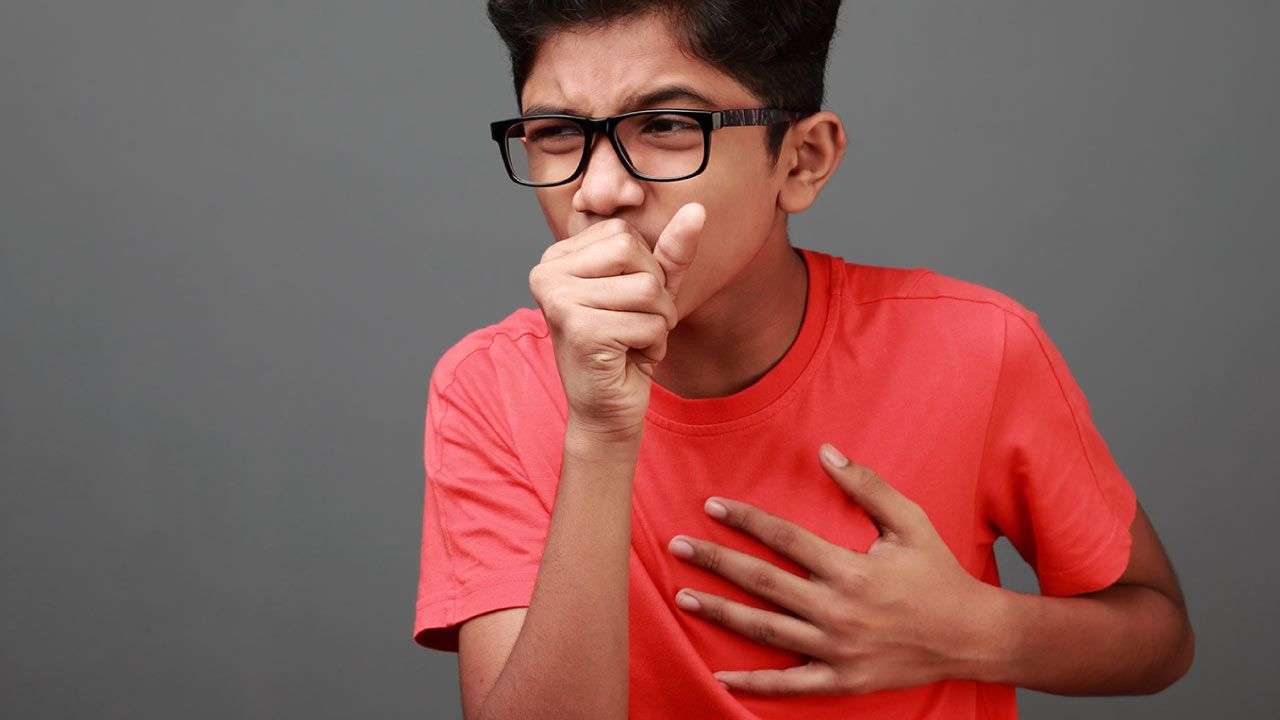
Pneumonia is an infection that inflames the air sacs in one or both lungs. In children, it can lead to serious complications if not treated promptly.
- Main symptoms often include persistent cough, fever, chills, and difficulty breathing; sometimes there may be chest pain as well.
- A healthcare provider will perform a physical exam, listen for abnormal lung sounds, and may order imaging tests like a chest X-ray for confirmation.
- Treatment often consists of antibiotics if caused by bacteria or supportive care for viral pneumonia; hospitalization may be required in severe cases for closer monitoring and treatment.
- Your child should be closely observed for any changes during recovery; follow-up appointments are vital to ensure complete recovery.
Pneumonia can be serious but with effective treatment plans tailored for children, they usually recover well.
ECZEMA
Eczema is a common skin condition in children that leads to dry, itchy patches on the skin. These patches can often become red and inflamed due to scratching or irritation.
- The main symptoms include intense itchiness, dryness, redness, and flakiness in affected areas.
- This condition is diagnosed through a detailed medical history along with a physical examination of the skin.
- Treatment typically involves moisturizers, topical steroids to reduce inflammation, and avoiding known irritants or allergens.
- It is essential for parents to recognize potential triggers to manage flare-ups effectively.
- A well-planned skincare routine can lead to significant improvements in your child's condition.
Consistent care is key for managing eczema successfully in children.
ASTHMA
Asthma is a chronic condition characterized by inflammation and narrowing of the airways, making breathing difficult. Children with asthma may experience recurrent episodes of wheezing, coughing, and shortness of breath.
- Symptoms include frequent coughing (especially at night), wheezing during physical activities, and chest tightness.
- The diagnosis usually involves a physical examination, review of medical history, and sometimes tests like spirometry to assess lung function.
- Treatment options range from inhaled corticosteroids to quick-relief bronchodilators, all aimed at reducing inflammation and managing symptoms.
- Management requires regular follow-ups, medication adherence, and knowledge of trigger avoidance.
- Parents can expect that with proper management, many children lead normal, active lives.
With timely intervention and education, asthma can be effectively controlled in pediatric patients.