
Dr Jyotsna Oak
About Me
Dr Jyotsna Oak
Cardiologist
Biography
My Clinic
OPD Hours
| Tuesday | Morning | 10:00 AM | - | 02:00 PM |
| Evening | 06:00 PM | - | 09:00 PM | |
| Wednesday | Morning | 10:00 AM | - | 02:00 PM |
| Evening | 06:00 PM | - | 09:00 PM | |
| Thursday | Morning | 10:00 AM | - | 02:00 PM |
| Evening | 06:00 PM | - | 09:00 PM | |
| Friday | Morning | 10:00 AM | - | 02:00 PM |
| Evening | 06:00 PM | - | 09:00 PM | |
| Saturday | Morning | 10:00 AM | - | 02:00 PM |
| Evening | 06:00 PM | - | 09:00 PM | |
| Sunday | Morning | 10:00 AM | - | 02:00 PM |
| Evening | 06:00 PM | - | 09:00 PM | |
| Thursday | Morning | 10:00 AM | - | 02:00 PM |
| Evening | 06:00 PM | - | 09:00 PM |
Treatments
Specialised care and treatments offered
PERIPHERAL ARTERY DISEASE

This circulatory problem arises when narrowed arteries reduce blood flow primarily affecting legs. Understanding its symptoms early on can lead substantially towards better management outcomes enhancing mobility for patients impacted by it over time!
CHOLESTEROL DISORDERS
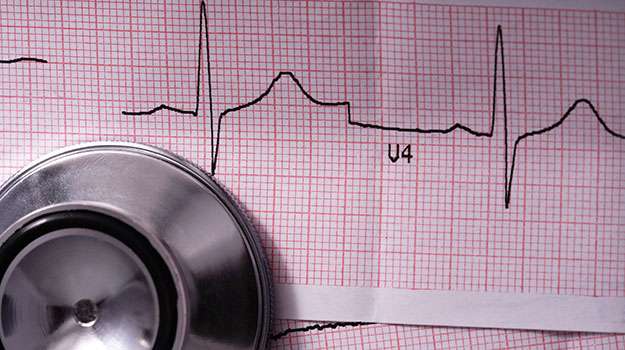
An imbalance in cholesterol levels can lead not only to cardiovascular diseases but also potentially life-threatening complications. Monitoring lipid profiles plays a critical role in maintaining heart health over time.
- Symptoms : High cholesterol typically has no visible symptoms until serious problems arise; thus regular screening is vital.
- Causes : Contributing factors might include poor diet rich in saturated fats, lack of physical activity, smoking habits among others.
- Diagnosis : Blood tests measuring lipid levels will determine your cholesterol status accurately.
- Treatment/Management Options : Lifestyle modifications like dietary changes alongside statin therapy frequently help manage abnormal lipid levels more effectively.
- What to Expect : Ongoing follow-ups ensure regular tracking ensuring successful management leading towards overall wellness.
Bearing in mind a proactive approach could significantly hinder development risks associated with elevated cholesterol levels.
HEART FAILURE
This chronic condition occurs when the heart cannot pump enough blood to meet the body's needs. Symptoms may worsen over time if not adequately managed but can often be controlled with appropriate treatment strategies.
- Symptoms : Common signs include fatigue, swelling in legs or ankles (edema), and difficulty breathing on exertion.
- Causes : Major causes are coronary artery disease, hypertension and prior heart attacks.
- Diagnosis : Diagnosis usually involves imaging tests like echocardiograms along with blood tests assessing heart function.
- Treatment/Management Options : Treatment typically includes medications such as ACE inhibitors or diuretics combined with lifestyle modifications focused on diet and exercise.
- What to Expect : Regular assessments help track progress and tweak management plans as necessary depending on individual responses.
The journey with heart failure requires adherence to therapeutic strategies while remaining optimistic about improvement over time.
ATRIAL FIBRILLATION
Atrial fibrillation is an irregular heartbeat that can cause various complications like stroke. The heart's upper chambers (atria) quiver instead of contracting effectively during each heartbeat.
- Symptoms: Individuals might notice palpitations, dizziness, or an unusual feeling in the chest area.
- Causes: Risk factors include age, high blood pressure, excessive alcohol intake, and pre-existing heart conditions.
- Diagnosis: A healthcare provider will utilize an electrocardiogram (ECG) to detect this arrhythmia accurately.
- Treatment/Management Options: Anticoagulants may be prescribed alongside rate control medications; some patients benefit from cardioversion treatments to restore normal rhythm.
- What to Expect: Ongoing monitoring is necessary to adjust treatment plans tailored to individual needs for optimal outcomes.
Mild atrial fibrillation can often be managed effectively through medical intervention and lifestyle adjustments for better long-term health.
CORONARY ARTERY DISEASE
This condition occurs when the coronary arteries become narrowed or blocked due to plaque buildup. It significantly increases the risk of heart-related problems, including heart attacks.
- Symptoms: Patients often experience chest pain (angina), shortness of breath, or fatigue during physical activity.
- Causes: Major contributors include high cholesterol levels, smoking, overweight conditions, and inadequate physical exercise.
- Diagnosis: It can be diagnosed through tests like angiography or stress tests that show how well your heart functions under stress.
- Treatment/Management Options: Management may involve lifestyle changes along with medications such as statins; more severe cases may require procedures like angioplasty.
- What to Expect: Regular follow-ups are crucial for monitoring your heart's condition and adjusting treatment as necessary.
A thorough approach helps in managing coronary artery disease effectively and improving quality of life.
HYPERTENSION
Hypertension, or high blood pressure, is a common condition where the force of the blood against the artery walls is too high. This can lead to serious health issues, including heart disease and stroke if left untreated.
- Symptoms: Often called the 'silent killer,' it may present with headaches, shortness of breath, or nosebleeds.
- Causes: Factors include obesity, a sedentary lifestyle, excessive salt intake, and genetics.
- Diagnosis: Diagnosing hypertension typically involves measuring blood pressure using a sphygmomanometer during routine checkups.
- Treatment/Management Options: Lifestyle changes such as diet modifications and regular exercise are first-line therapies. Medications may include diuretics and ACE inhibitors if needed.
- What to Expect: Regular monitoring and follow-ups will be essential to manage your blood pressure effectively.
Managing hypertension involves both education about lifestyle changes and potential medication to ensure long-term health outcomes.