
Dr K C Bansal
About Me
Dr K C Bansal
MS
Orthopaedic Surgeons
10 Years Experience
Biography
My Clinic
OPD Hours
| Monday | Morning | 10:00 AM | - | 02:00 PM |
| Evening | 06:00 PM | - | 09:00 PM | |
| Tuesday | Morning | 10:00 AM | - | 02:00 PM |
| Evening | 06:00 PM | - | 09:00 PM | |
| Wednesday | Morning | 10:00 AM | - | 02:00 PM |
| Evening | 06:00 PM | - | 09:00 PM | |
| Thursday | Morning | 10:00 AM | - | 02:00 PM |
| Evening | 06:00 PM | - | 09:00 PM | |
| Friday | Morning | 10:00 AM | - | 02:00 PM |
| Evening | 06:00 PM | - | 09:00 PM | |
| Saturday | Morning | 10:00 AM | - | 02:00 PM |
| Evening | 06:00 PM | - | 09:00 PM | |
| Sunday | Morning | 10:00 AM | - | 02:00 PM |
| Evening | 06:00 PM | - | 09:00 PM |
Treatments
Specialised care and treatments offered
HIP REPLACEMENT SURGERY
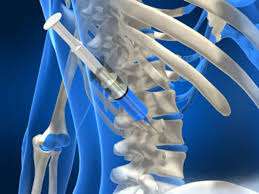
The hip joint replacement procedure is particularly beneficial for those suffering from severe osteoarthritis leading to chronic pain. Addressing functional limitations allows improved quality of life post-operation
.- Prevalent Causes: Degenerative conditions such as arthritis lead many individuals towards considering replacement due while sustaining extensive discomfort< br /> . < LI />< LI />Primary Symptoms: Typical indicators comprise persistent hip discomfort affecting daily routines resulting increased stiffness especially after resting periods< br /> . < LI />< LI/>Comprehensive Diagnoses Processes: An orthopedic surgeon assesses medical histories alongside radiographs evaluating cartilage integrity prior recommending procedural options< br /> . < LI />< LI/>Efficacious Treatment Alternatives: . < LI />< LI/>< Strong Rehabilitation Priorities Post-Operatively Affect Outcomes Significantly : < br /> Emphasizing gradual integration along guided physiotherapy protocols proves pivotal enhancing resilience approaching full recovery phases post-hip replacements interventions< br />, ensuring restored independence once procedures conclude pursuit long-term success within eventually returning past lifestyles accompany marked reductions overall debilitating constraints stemming said hip ailments implications surrounding everyday endeavors experienced previously through this particular methodology here outlined broadly within domain focused precisely optimizing experiences undergone successfully transforming patients toward satisfaction complemented exemplary managed transitions occurring progressively following developments undertaken executed competently adhering standards established professionally operating context preserved throughout relations forged intertwined thereby achieving overall objectives effectively realized meticulously herein conveyed
TENDON REPAIR SURGERY
Tendon injuries can significantly limit movement and cause persistent pain. Timely repair ensures restoration of function essential for daily activities and sports engagement
.- Causation Factors: Tendon damage may result from acute injuries in sports or chronic wear due to repetitive motions over time.
- Common Signs: Individuals may experience localized pain at the tendon site stiffening joints upon awakening limiting mobility drastically.
- Diagnostic Techniques: Diagnosis commonly involves ultrasound evaluations alongside thorough physical examinations providing insight into tendon health status.
- Repair Methods: Surgical intervention aims at reattaching torn tendons through approved techniques including suture anchors guaranteeing stability during healing phases
Following surgery,rehabilitation programs gradually introduce strength-building exercises returning patients back closer towards their previous functioning levels
SHOULDER DISLOCATION TREATMENT

A shoulder dislocation occurs when the upper arm’s ball pops out of its socket due to trauma. Effective treatment is essential for restoring shoulder function quickly.
- Pain Indicators: The main signs include extreme shoulder pain, visible deformity in shoulder appearance, swelling around the joint area.
- IDiagnosis Methods:D: Dislocations are diagnosed through clinical evaluation paired with X-rays to confirm joint position accurately; sometimes CT scans are used for further assessment if necessary.
- Therapeutic Interventions: Management often entails urgent repositioning of the bone back into place (reduction); followed by immobilization using a sling for a specific period.
- Recovery Insights: Physical therapy plays a critical role after immobilization; exercises aim at enhancing strength and range of motion while preventing stiffness.
Early intervention usually leads to favorable outcomes,allowing individuals to resume normal activities smoothly
KNEE LIGAMENT RECONSTRUCTION

Knee ligament injuries are prevalent among athletes and can significantly impact mobility. These injuries often require precise evaluation and management for optimal recovery.
- Causative Factors: Injuries may arise from sudden stops, twists during sports activities causing tears in ligaments such as the ACL (anterior cruciate ligament).
- Main Symptoms: Symptoms might include severe knee pain, instability while walking or pivoting, and noticeable swelling within hours after injury.
- Diagnostic Approach: Clinicians rely on detailed medical history along with advanced imaging techniques like MRI to assess ligament integrity accurately.
- Surgical Options: Surgical reconstruction is often recommended when conservative treatments fail; this involves replacing damaged ligaments using grafts harvested from other body parts or donors.
The focus post-surgery is on rehabilitation to restore function progressively while minimizing risks of future injuries.
SPORTS INJURIES

Sports injuries often affect athletes during physical activity but can occur during everyday activities. Prompt assessment allows for effective treatment and a quicker return to sports.
- Causative Factors: Overuse, improper technique, or insufficient warm-up are common causes of these injuries.
- Symptoms: Symptoms such as pain, swelling, decreased range of motion, or instability in the injured area should be watched closely.
- Diagnosis: Diagnosis typically involves imaging studies like MRIs combined with a physical examination to confirm the injury type.
- Treatment Strategies: Initial management often includes rest, ice application, anti-inflammatory medications; advanced cases might require surgery for severe tears or fractures.
A personalized rehabilitation plan is vital to enhance recovery and prevent future incidents effectively.
FRACTURE MANAGEMENT

Fractures are breaks in the bone that can result from trauma or stress. They can vary in severity and type, requiring appropriate evaluation and treatment to promote healing.
- Symptoms: Common symptoms include intense pain, swelling, bruising, and inability to use the affected limb or joint.
- Diagnosis: A thorough medical history followed by physical examination and imaging tests like X-rays or CT scans helps determine the fracture type.
- Treatment Options: Treatment may involve immobilization with a cast, braces, or in some cases, surgical intervention to realign bones with pins or plates.
- Rehabilitation: Once healed, physical therapy is crucial for restoring strength and mobility.
- Outlook: Most fractures heal well with timely intervention; however, recovery time varies based on the fracture location and severity.
A comprehensive approach ensures optimal recovery and enables a return to daily activities smoothly.