
Dr K C Bansal
About Me
Dr K C Bansal
MS
Orthopaedic Surgeons
10 Years Experience
Biography
My Clinic
OPD Hours
| Monday | Morning | 10:00 AM | - | 02:00 PM |
| Evening | 06:00 PM | - | 09:00 PM | |
| Tuesday | Morning | 10:00 AM | - | 02:00 PM |
| Evening | 06:00 PM | - | 09:00 PM | |
| Wednesday | Morning | 10:00 AM | - | 02:00 PM |
| Evening | 06:00 PM | - | 09:00 PM | |
| Thursday | Morning | 10:00 AM | - | 02:00 PM |
| Evening | 06:00 PM | - | 09:00 PM | |
| Friday | Morning | 10:00 AM | - | 02:00 PM |
| Evening | 06:00 PM | - | 09:00 PM | |
| Saturday | Morning | 10:00 AM | - | 02:00 PM |
| Evening | 06:00 PM | - | 09:00 PM | |
| Sunday | Morning | 10:00 AM | - | 02:00 PM |
| Evening | 06:00 PM | - | 09:00 PM |
Treatments
Specialised care and treatments offered
PLANTAR FASCIITIS TREATMENT
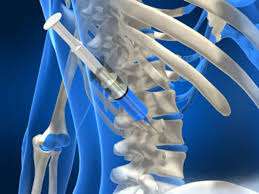
This condition causes inflammation of the plantar fascia ligament on the bottom of your foot leading to heel pain that can impede daily activities. It's one of the most common causes of heel discomfort encountered among active individuals!
- Symptoms typically arise gradually including stabbing heel pains primarily occurring first thing in morning after prolonged periods resting .
- Diagnosis often requires clinical evaluation alongside imaging studies if necessary ensuring definitive identification towards best course treatment path available .
- Management options range widely encompassing customized orthotics , specific stretching routines , anti-inflammatory medications addressing immediate discomfort experienced .
- < br />Upon satisfying appropriate criteria set forth regarding severity ongoing progressive nature targeted therapies can yield significant advancements seen through favorable outcomes encouraging positive life changes resulting thereafter!
With adherence protocols established efficiently under expert guidance expect advancement seen throughout days building momentum ultimately reaching successful finish line .
SHOULDER RECONSTRUCTION SURGERY
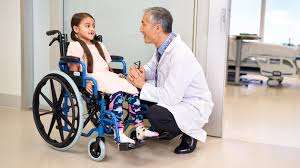
This intricate surgery addresses severe shoulder instability caused by dislocations or rotator cuff injuries. By restoring stability to these critical components, it aims to improve functionality in daily tasks involving overhead movements.
- If you experience frequent shoulder dislocations accompanied by significant pain, it may suggest underlying concerns necessitating surgical intervention.
- A comprehensive diagnostic approach often includes X-rays, MRI scans, along with clinical evaluations by orthopedic specialists for accurate identification of issues present within the shoulder structure.
- Surgical reconstruction techniques vary; however, they generally encompass tightening ligaments while reattaching tendons as needed during surgery. Post-operative rehabilitation is essential for returning strength gradually over time after surgery has been performed.
“Recovery” varies among patients but generally leads toward improved stability as well as enhanced range-of-motion over time after engaging in rehabilitative sessions specifically designed for healing shoulder mechanics effectively
This type of intervention substantially contributes towards regaining control over one’s arm movements while minimizing future injury risks associated with shoulder dislocation episodes altogether!
MENISCUS REPAIR SURGERY

This procedure aims to repair tears in the meniscus of the knee—a crucial cartilage that provides cushioning. Meniscus injuries often occur during sports-related activities involving twisting motions or heavy lifting.
- Pain in the knee along with swelling and locking sensations are common symptoms associated with meniscus tears.
- A detailed diagnosis generally involves a combination of physical assessments and imaging tests like an MRI.
- Surgical options include either partial meniscectomy or meniscal repair depending on the tear's nature; rehabilitation plays a key role in recovery post-operation.
- Pain management strategies should be discussed with your physician before undergoing any surgery for optimal comfort levels following the procedure.
The goal is not only to relieve pain but also to preserve knee function for everyday activities post-recovery.
SPINAL FUSION

This surgical approach involves joining two or more vertebrae together to eliminate motion at a painful segment of the spine. It’s often pursued when conservative treatments have failed to provide relief from chronic back pain or spinal instability.
- Pain radiating down the legs or arms can indicate underlying issues justifying this procedure.
- Diagnosis usually requires advanced imaging studies such as an X-ray, CT scan, or MRI for accurate assessment of spinal structures.
- The treatment plan might involve both surgical fusion techniques and non-surgical methods like physical therapy.
- It’s vital to follow a carefully outlined recovery plan that includes gradual movement restrictions post-surgery.
Surgical intervention can be beneficial for long-term relief from debilitating spine-related issues and improved functionality.
ARTHROSCOPIC SURGERY

This minimally invasive technique allows surgeons to visualize, diagnose, and treat conditions within the joint using small incisions. It is commonly used for repairing tears in ligaments or cartilage.
- Common symptoms treated include persistent joint pain, swelling, and restricted movement.
- A thorough evaluation using imaging techniques like an MRI helps confirm the diagnosis prior to surgery.
- Treatment may consist of arthroscopy along with rehabilitative exercises post-surgery to regain strength.
- Pain management strategies are important for recovery following this type of procedure.
The benefits of arthroscopic surgery include less postoperative pain and faster recovery times compared to traditional open surgeries.
TOTAL JOINT REPLACEMENT

Total joint replacement is a surgical procedure that involves replacing a damaged joint with an artificial one. This treatment is most commonly performed on hips and knees, often due to arthritis or injury.
- Symptoms may include severe pain, stiffness, and reduced mobility in the affected joint.
- The diagnosis typically involves a physical examination, medical history assessment, and imaging tests such as X-rays or MRIs.
- Treatment options include medications, physical therapy, and if necessary, surgical intervention such as total joint replacement.
- Post-surgery, patients can expect a structured rehabilitation program to restore function and mobility.
This procedure can significantly enhance quality of life by alleviating pain and improving overall joint function.