
Dr K C Gangwal
About Me
Dr K C Gangwal
MS
Orthopaedic Surgeons
10 Years Experience
Biography
My Clinic
OPD Hours
| Monday | Morning | 10:00 AM | - | 02:00 PM |
| Evening | 06:00 PM | - | 09:00 PM | |
| Tuesday | Morning | 10:00 AM | - | 02:00 PM |
| Evening | 06:00 PM | - | 09:00 PM | |
| Wednesday | Morning | 10:00 AM | - | 02:00 PM |
| Evening | 06:00 PM | - | 09:00 PM | |
| Thursday | Morning | 10:00 AM | - | 02:00 PM |
| Evening | 06:00 PM | - | 09:00 PM | |
| Friday | Morning | 10:00 AM | - | 02:00 PM |
| Evening | 06:00 PM | - | 09:00 PM | |
| Saturday | Morning | 10:00 AM | - | 02:00 PM |
| Evening | 06:00 PM | - | 09:00 PM | |
| Sunday | Morning | 10:00 AM | - | 02:00 PM |
| Evening | 06:00 PM | - | 09:00 PM |
Treatments
Specialised care and treatments offered
OSTEOARTHRITIS DIAGNOSTIC EVALUATION
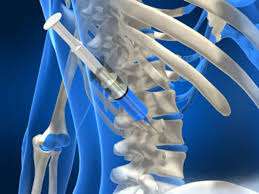
An essential process combining clinical examination with imaging studies aimed at identifying degenerative joint disease impacting articular cartilage primarily in weight-bearing joints like knees and hips.
- Presentation clues:
BONE FRACTURE FIXATION
This treatment involves stabilizing broken bones using various hardware devices to facilitate proper healing alignment and maintain limb functionality.
- Causative events/symptoms: Trauma from falls or accidents leads to sharp localized pain, deformity, swelling, and impaired movement at the fracture site.
- Anatomical assessment tools: X-rays are standard for confirming fracture type and displacement affecting choice of fixation method required for stability restoration.
- Surgical interventions: Plates, screws, rods, or pins may be applied internally or externally depending on fracture complexity ensuring immobilization during healing phase.
- Please note
ROTATOR CUFF REPAIR SURGERY

Surgical restoration of torn shoulder tendons helps regain strength and function after injury or degenerative changes affect the rotator cuff muscles.
- Causal factors/symptoms: Shoulder pain aggravated by movement, weakness lifting the arm above shoulder height often signals tendon pathology needing repair.
- Differential diagnosis tools: Physical exam complemented by ultrasound or MRI assists in determining tear extent guiding surgical planning.
- Surgical approach: Tendon edges are reattached to bone via sutures using arthroscopic techniques minimizing invasiveness for smaller tears or open surgery for larger defects.
- Rehabilitation timeline: Immobilization followed by progressive physiotherapy restores functional range-of-motion typically over several months postoperatively.
The goal is durable tendon healing that permits return to daily activities and sports without recurrent discomfort or dysfunction.
SPINAL DECOMPRESSION THERAPY

This non-surgical approach targets relieving pressure on spinal nerves often caused by herniated discs or spinal stenosis.
- Eliciting symptoms: Patients typically report radiating back pain, numbness, tingling sensations, or muscle weakness in limbs.
- Evaluation methods: Imaging such as MRI confirms nerve impingement prompting consideration of decompression techniques before surgery is advised.
- Treatment mechanisms: Mechanical traction gently stretches the spine aiming to create negative pressure that may retract herniated disc material away from nerves.
- Patient outcomes: Many experience reduction in pain intensity and improved mobility; however, therapy effectiveness varies individually requiring follow-up assessment.
This therapy offers a conservative alternative that can delay or avoid invasive procedures while managing symptoms effectively in selected cases.
TOTAL HIP REPLACEMENT

A comprehensive surgical procedure designed to replace a damaged hip joint with artificial components to relieve pain and restore function.
- Causes/symptoms: Severe arthritis or trauma causing chronic hip pain, stiffness, and reduced mobility qualifies patients for replacement surgery.
- Diagnostic process: Clinical evaluation combined with X-rays helps assess joint space narrowing and deformity prompting surgical intervention.
- Treatment details: The worn-out femoral head and acetabulum are removed and replaced with prosthetic implants made from metal, ceramic, or plastic materials.
- Postoperative care: Pain management, gradual weight-bearing exercises, and physical therapy are crucial for optimal recovery over weeks to months.
This surgery aims to significantly improve quality of life by alleviating debilitating hip symptoms unresponsive to conservative treatments.
ARTHROSCOPIC KNEE SURGERY

Minimally invasive surgery of the knee joint provides a valuable approach to both diagnosing and treating various internal knee problems.
- Symptoms/causes: Persistent knee pain, swelling, locking, or instability often indicate issues such as meniscal tears or ligament injuries.
- Diagnosis: Arthroscopy allows direct visualization inside the joint using a small camera inserted through tiny incisions, often after MRI imaging suggests internal damage.
- Treatment/management: The surgeon can trim torn cartilage, repair ligaments, or remove loose bodies during the procedure with minimal tissue disruption.
- Recovery expectations: Most patients experience faster rehabilitation compared to open surgery, with physical therapy important for restoring strength and mobility.
This technique reduces hospital stay and postoperative pain while providing precise treatment tailored to individual knee conditions.