
Dr K C Gangwal
About Me
Dr K C Gangwal
MS
Urologists
10 Years Experience
Biography
My Clinic
OPD Hours
| Monday | Morning | 10:00 AM | - | 02:00 PM |
| Evening | 06:00 PM | - | 09:00 PM | |
| Tuesday | Morning | 10:00 AM | - | 02:00 PM |
| Evening | 06:00 PM | - | 09:00 PM | |
| Wednesday | Morning | 10:00 AM | - | 02:00 PM |
| Evening | 06:00 PM | - | 09:00 PM | |
| Thursday | Morning | 10:00 AM | - | 02:00 PM |
| Evening | 06:00 PM | - | 09:00 PM | |
| Friday | Morning | 10:00 AM | - | 02:00 PM |
| Evening | 06:00 PM | - | 09:00 PM | |
| Saturday | Morning | 10:00 AM | - | 02:00 PM |
| Evening | 06:00 PM | - | 09:00 PM | |
| Sunday | Morning | 10:00 AM | - | 02:00 PM |
| Evening | 06:00 PM | - | 09:00 PM |
Treatments
Specialised care and treatments offered
PROSTATITIS
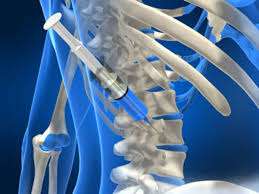
Prostatitis refers to inflammation of the prostate gland which may occur due to infection or other causes. This condition can result in discomfort and various urinary issues depending on its type—acute bacterial prostatitis being one clear example among others needing prompt medical consideration!
User reports might describe painful sensations when urinating along also experiencing pelvic pain related directly linked into this disorder concurrently affecting overall well-being too.- User clinical assessments led by skilled professionals utilize forms identifying potential triggers combined with laboratory evaluations including urine cultures required especially when infections play role by extending into diagnostic focus areas further determining ongoing concerns appropriately managing cases accordingly well enough respond positively through prescribed protocols thus avoiding additional complications arising unexpectedly from untreated prostatitis cases complicating everyday living patterns thereafter impacting lifestyle improvements necessary hereafter!
OVERACTIVE BLADDER

An overactive bladder (OAB) leads to a sudden urge to urinate frequently. This condition affects many people but is often misunderstood or underreported due to embarrassment surrounding its symptoms.
- The hallmark symptom involves urgent neediness along with associated frequency of bathroom visits—sometimes resulting in leaks before reaching the restroom.
- A healthcare provider assesses OAB via questionnaires about urinary habits along with physical examinations as necessary diagnostic tools.
In some cases, bladder diaries might be utilized for better assessment of the symptoms over time.
In certain instances, neuromodulation therapy, which alters nerve signal pathways influencing urinary function might be effective too.
This condition requires thoughtful management approaches promoting patient comfort while also enhancing their daily activities without interruption from OAB symptoms fostered by reliable healthcare guidance towards restoration!
ERECTILE DYSFUNCTION

Erectile dysfunction (ED) is a prevalent issue among men where achieving or maintaining an erection becomes challenging. This condition can have various underlying causes including psychological factors as well as physical health issues.
- Common symptoms include persistent difficulties getting an erection or sustaining it during sexual activity.
- A comprehensive evaluation includes patient history discussing medical conditions and potential contributing factors along with necessary examinations by a urologist.
- Treatment options range from lifestyle modifications and counseling to oral medications designed specifically for ED management.
Minimally invasive treatments are also available should they be necessary for long-term resolution of symptoms.
With appropriate care plans tailored specifically for men experiencing ED, many achieve satisfying outcomes and restored confidence in their sexual health.
KIDNEY STONES

Kidney stones are hard deposits made of minerals and salts that form inside the kidneys. They can cause severe pain and complications if not treated promptly.
- The most common symptoms include intense pain in the back or side, blood in urine, nausea, and frequent urination.
- Diagnosis typically involves imaging tests such as CT scans or ultrasounds to determine stone size and location.
- Treatment options vary from drinking plenty of fluids for small stones to medications for pain relief and possibly surgical interventions like shock wave lithotripsy for larger stones.
- If treated effectively, patients often return to normal activities quickly with reduced risk of recurrence through preventive measures.
A proactive approach can help manage kidney stones and prevent future occurrences effectively.
BENIGN PROSTATIC HYPERPLASIA (BPH)

Benign prostatic hyperplasia is a non-cancerous enlargement of the prostate gland that commonly affects older men. It can lead to bothersome urinary symptoms that require attention.
- The primary symptoms include difficulty starting urination, weak stream, or the need to urinate frequently at night.
- A urologist performs evaluations such as digital rectal exams and possibly ultrasound imaging for diagnosis.
- Treatment may involve lifestyle changes, medication to relieve symptoms, or minimally invasive procedures like laser therapy.
- Men undergoing treatment for BPH can expect gradual improvement in urinary function and relief from associated discomforts.
This condition is manageable with proper medical intervention and regular follow-up care.
URINARY INCONTINENCE

Urinary incontinence, a common issue affecting individuals, occurs when there is involuntary leakage of urine. This condition can significantly impact daily life and emotional well-being.
- Symptoms may include sudden urges to urinate, leaking during physical activity, or frequent nighttime urination.
- Diagnosis usually involves a thorough history, physical examination, and sometimes tests like urine flow studies or bladder diaries.
- Treatment options range from pelvic floor exercises to medications that help strengthen bladder control. In some cases, minimally invasive procedures may be considered.
- Patients can expect tailored management plans designed to suit individual needs and lifestyle.
With appropriate treatment, many see significant improvement in their quality of life.