
Dr K G Mathur
About Me
Dr K G Mathur
MBBS
General Physician
Biography
My Clinic
OPD Hours
| Monday | Morning | 10:00 AM | - | 02:00 PM |
| Evening | 06:00 PM | - | 09:00 PM | |
| Tuesday | Morning | 10:00 AM | - | 02:00 PM |
| Evening | 06:00 PM | - | 09:00 PM | |
| Wednesday | Morning | 10:00 AM | - | 02:00 PM |
| Evening | 06:00 PM | - | 09:00 PM | |
| Thursday | Morning | 10:00 AM | - | 02:00 PM |
| Evening | 06:00 PM | - | 09:00 PM | |
| Friday | Morning | 10:00 AM | - | 02:00 PM |
| Evening | 06:00 PM | - | 09:00 PM | |
| Saturday | Morning | 10:00 AM | - | 02:00 PM |
| Evening | 06:00 PM | - | 09:00 PM | |
| Sunday | Morning | 10:00 AM | - | 02:00 PM |
| Evening | 06:00 PM | - | 09:00 PM |
Treatments
Specialised care and treatments offered
COMMON COLD
The common cold is a viral infection of the upper respiratory tract traditionally characterized by mild yet bothersome symptoms that resolve on their own within days. Understanding this illness helps patients manage expectations regarding recovery times efficiently!
- Symptoms typically manifest as sneezing congestion sore throat fatigue mild headache etc occurring gradually over several days.
- Diagnosis primarily involves identifying these characteristic signs through physical examination by healthcare providers without requiring laboratory tests.
- Management largely focuses on symptomatic relief using over-the-counter medications like decongestants pain relievers hydration rest etc rather than direct antiviral therapies since antibiotics aren't effective against viruses.
- Most people recover fully within one week although some lingering effects might persist afterward especially among older adults or those with compromised immune systems.
Practicing good hygiene habits remains crucial in preventing transmission between individuals enhancing community health overall!
SEASONAL ALLERGIES

Seasonal allergies occur when the immune system overreacts to airborne substances at certain times of the year. Commonly known as hay fever or allergic rhinitis, they can significantly affect quality of life during pollen-heavy seasons.
- Sneezing, itchy eyes/nose/throat, runny nose, and sinus pressure are prevalent clinical manifestations associated with seasonal allergies
- The diagnosis often relies on patient history combined with allergy testing performed in a clinical environment.
- Treatment usually includes avoiding specific allergens alongside antihistamines or nasal steroid sprays for symptom relief.
- Patients are encouraged to monitor local pollen counts for better management during peak seasons.
With appropriate interventions in place, individuals can alleviate their allergy symptoms effectively while enjoying outdoor activities throughout affected periods.
ACID REFLUX (GERD)
Gastroesophageal reflux disease (GERD) occurs when stomach acid frequently flows back into the esophagus. This backflow can cause irritation leading to uncomfortable symptoms and potential complications if not addressed promptly.
- Main symptoms include heartburn, regurgitation of food or sour liquid, difficulty swallowing, and chronic cough among others.
- Diagnosing GERD usually involves gastrointestinal examinations such as endoscopy or pH monitoring tests conducted by specialists.
- Treatment strategies may involve lifestyle modifications along with medications like proton pump inhibitors to reduce stomach acid production.
- In persistent cases where medication does not suffice, surgical options may also be available for long-term resolution of reflux symptoms.
Effective management allows individuals suffering from acid reflux to enjoy meals without discomfort while mitigating possible esophageal damage over time.
ASTHMA
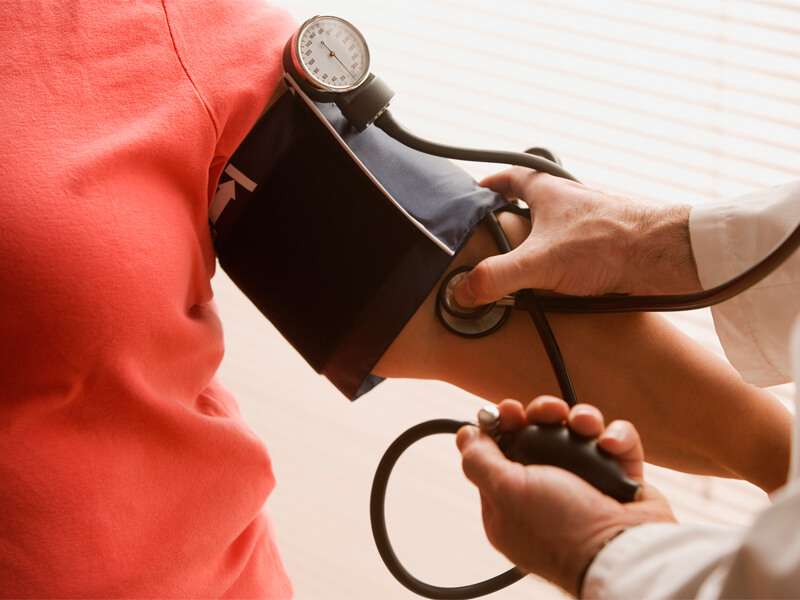
Asthma is a chronic respiratory condition that affects the airways in the lungs. People with asthma may experience difficulty breathing due to inflammation and narrowing of these air passages triggered by various factors.
- Symptoms often include wheezing, coughing, shortness of breath, and chest tightness which may vary based on exposure to allergens or irritants.
- A complete medical history review coupled with pulmonary function tests helps diagnose asthma accurately.
- Treatment options range from inhalers containing bronchodilators to anti-inflammatory medications aimed at long-term control of symptoms.
- A personalized action plan for managing asthma is essential for avoiding triggers and handling acute attacks effectively.
Asthma management empowers patients to lead active lifestyles while minimizing the impact of this condition on daily activities.
DIABETES MELLITUS

Diabetes Mellitus refers to a group of diseases that affect how your body uses blood sugar (glucose). This chronic condition can have significant impacts on overall health if not managed properly, influencing many bodily functions.
- Common symptoms include increased thirst, frequent urination, fatigue, and blurred vision.
- An accurate diagnosis usually involves fasting blood glucose tests or an HbA1c test performed by healthcare professionals.
- Treatment generally includes dietary adjustments, exercise regimens, monitoring blood sugar levels, and possibly insulin therapy or oral medications.
- Long-term management focuses on preventing complications such as nerve damage or cardiovascular issues related to uncontrolled diabetes.
With proper education and management strategies in place, individuals with diabetes can live healthy and fulfilling lives.
HYPERTENSION
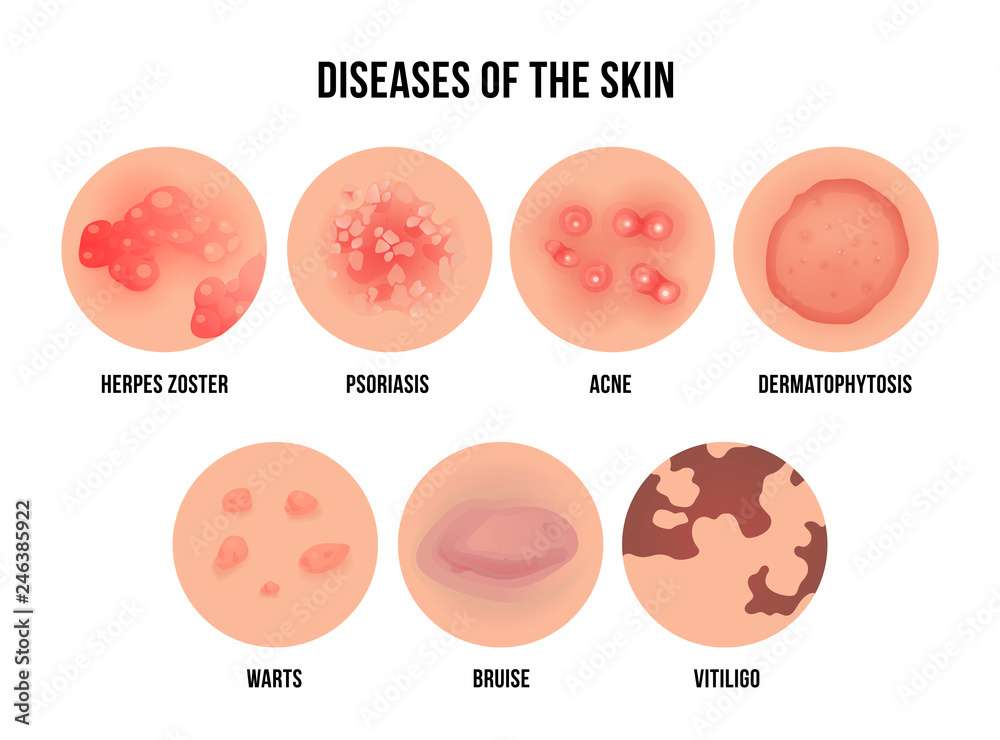
Hypertension, or high blood pressure, is a common condition that can lead to severe health issues if left untreated. It is often referred to as the 'silent killer' because it may not present noticeable symptoms until significant damage has occurred.
- The main causes include genetics, obesity, lack of physical activity, and excessive salt intake.
- Diagnosis is typically done using a simple blood pressure measurement during regular check-ups.
- Treatment options may involve lifestyle changes such as diet and exercise, alongside medications like diuretics or ACE inhibitors.
- Regular monitoring and follow-up appointments are crucial for managing this condition effectively.
- Patients should be aware that maintaining a healthy lifestyle can greatly influence their treatment outcomes.
Management of hypertension is essential for reducing the risk of heart disease and stroke, making early detection and proactive treatment vital.