
Dr K K Kushwah
About Me
Dr K K Kushwah
MD
Cardiologist
10 Years Experience
Biography
My Clinic
OPD Hours
| Monday | Morning | 10:00 AM | - | 02:00 PM |
| Evening | 06:00 PM | - | 09:00 PM | |
| Tuesday | Morning | 10:00 AM | - | 02:00 PM |
| Evening | 06:00 PM | - | 09:00 PM | |
| Wednesday | Morning | 10:00 AM | - | 02:00 PM |
| Evening | 06:00 PM | - | 09:00 PM | |
| Thursday | Morning | 10:00 AM | - | 02:00 PM |
| Evening | 06:00 PM | - | 09:00 PM | |
| Friday | Morning | 10:00 AM | - | 02:00 PM |
| Evening | 06:00 PM | - | 09:00 PM | |
| Saturday | Morning | 10:00 AM | - | 02:00 PM |
| Evening | 06:00 PM | - | 09:00 PM | |
| Sunday | Morning | 10:00 AM | - | 02:00 PM |
| Evening | 06:00 PM | - | 09:00 PM |
Treatments
Specialised care and treatments offered
PERIPHERAL ARTERY DISEASE (PAD) TREATMENT

This condition involves narrowed arteries in limbs leading to reduced blood flow with significant impact on mobility. Early diagnosis helps preserve function and prevent complications like ulcers or gangrene.
- Symptoms : Leg pain while walking (claudication), cold extremities , slow-healing wounds on feet .
- Diagnosis : Ankle-brachial index measurement , Doppler ultrasound assess arterial blockages outside the heart .
- Treatments : Lifestyle modifications including smoking cessation , supervised exercise programs improve symptoms ; medications such as antiplatelets help prevent clot formation .
- Surgical options : In advanced disease stages , angioplasty or bypass surgery restore adequate limb perfusion .
Timely management reduces disability risks associated with PAD enhancing limb health and quality of life .
CHOLESTEROL MANAGEMENT
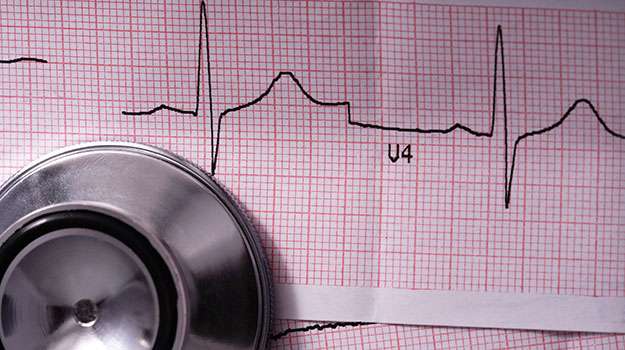
A healthy cholesterol balance is vital for cardiovascular wellness since elevated lipids increase the risk of arterial disease. Controlling levels reduces potential complications significantly.
- Main concerns:: High LDL ('bad' cholesterol) leads to plaque buildup while HDL ('good' cholesterol) protects vessels; imbalance promotes atherosclerosis development.
- Assessment methods:: Fasting lipid profile tests measure different cholesterol fractions accurately providing guidance on risk status.
- Interventions : Dietary improvements with reduced saturated fats; physical activity enhances lipid profiles. Pharmacological agents include statins when required for substantial reduction effect .
- Follow-up : Periodic rechecking tracks progress ensuring treatment goals are met effectively .
Maintaining optimal cholesterol levels supports overall cardiovascular health by minimizing arterial narrowing over time .
ARRHYTHMIA EVALUATION AND TREATMENT
An irregular heartbeat can range from harmless skipped beats to dangerous disturbances requiring prompt care. Identifying the type helps guide appropriate therapy.
- Symptoms commonly include: Palpitations, dizziness, fainting episodes or chest discomfort during arrhythmic events.
- Diagnostic tools: ECG monitoring including Holter monitors or event recorders track abnormal rhythms over time.
- Treatment options vary:: May involve medications like beta-blockers or antiarrhythmics; electrical therapies such as cardioversion or ablation might be needed for severe cases.
- Lifestyle considerations:: Avoidance of stimulants like caffeine; managing stress contributes positively to rhythm control efforts.
Catching arrhythmias early minimizes risks including stroke or sudden cardiac arrest through tailored interventions.
HEART FAILURE MANAGEMENT
The heart's reduced ability to pump blood efficiently characterizes this serious condition. Monitoring symptoms closely allows timely intervention to maintain function.
- Causes and symptoms: Often results from previous heart attacks or chronic hypertension; symptoms include swelling in legs, fatigue, shortness of breath.
- Diagnosis involves: Physical examination supported by chest X-rays, echocardiogram, BNP blood tests to assess heart function.
- Treatments include: Medications such as ACE inhibitors, beta-blockers; lifestyle changes including low-sodium diet and fluid restriction are essential.
- Monitoring: Regular clinical follow-up with attention to weight changes helps detect worsening condition early.
A proactive approach can slow progression and improve patients’ day-to-day wellbeing despite this chronic illness.
CORONARY ARTERY DISEASE (CAD) CARE
This condition arises when the arteries supplying blood to the heart muscle become narrowed or blocked due to plaque buildup. Early recognition is key to preventing complications.
- Symptoms: Chest pain (angina), breathlessness, fatigue, often triggered by physical exertion or stress.
- Diagnostic methods: Includes ECG, stress testing, echocardiography, and coronary angiography to evaluate artery blockages.
- Treatment approaches: Medications such as antiplatelets and statins; lifestyle changes; interventional procedures like angioplasty may be necessary in some cases.
- Lifestyle adjustments: Smoking cessation, heart-healthy diet, weight management play a significant role in symptom control.
A comprehensive care plan tailored to individual needs helps prevent heart attacks and improve quality of life for those with CAD.
HYPERTENSION MANAGEMENT
High blood pressure is a common chronic condition that requires consistent monitoring and care to prevent serious health issues. It often has no obvious symptoms, making regular check-ups essential.
- Symptoms and causes: Often asymptomatic but can be caused by genetics, lifestyle factors, or underlying health conditions.
- Diagnosis: Diagnosed through repeated blood pressure measurements using a sphygmomanometer during clinical visits or ambulatory monitoring.
- Treatment options: Lifestyle modifications such as diet and exercise, alongside medications including ACE inhibitors, beta-blockers, or diuretics.
- Management: Regular follow-up visits and home blood pressure monitoring are critical for assessing treatment effectiveness.
- Expectations: With proper management, patients can reduce the risk of heart attack, stroke, and kidney damage significantly.
Understanding and controlling hypertension helps maintain cardiovascular health and improves long-term outcomes.