
Dr K K Neelam Dri
About Me
Dr K K Neelam Dri
MBBS
General Physician
10 Years Experience
Biography
My Clinic
OPD Hours
| Monday | Morning | 10:00 AM | - | 02:00 PM |
| Evening | 06:00 PM | - | 09:00 PM | |
| Tuesday | Morning | 10:00 AM | - | 02:00 PM |
| Evening | 06:00 PM | - | 09:00 PM | |
| Wednesday | Morning | 10:00 AM | - | 02:00 PM |
| Evening | 06:00 PM | - | 09:00 PM | |
| Thursday | Morning | 10:00 AM | - | 02:00 PM |
| Evening | 06:00 PM | - | 09:00 PM | |
| Friday | Morning | 10:00 AM | - | 02:00 PM |
| Evening | 06:00 PM | - | 09:00 PM | |
| Saturday | Morning | 10:00 AM | - | 02:00 PM |
| Evening | 06:00 PM | - | 09:00 PM | |
| Sunday | Morning | 10:00 AM | - | 02:00 PM |
| Evening | 06:00 PM | - | 09:00 PM |
Treatments
Specialised care and treatments offered
DEEP VEIN THROMBOSIS (DVT) DIAGNOSIS & MANAGEMENT
A dangerous condition involving formation of clots in deep veins usually in legs requires urgent attention since clots can travel causing life-threatening blockages elsewhere like lungs (pulmonary embolism).
- Risk factors & symptoms : Prolonged immobility , recent surgery , trauma , cancer ; Swelling , pain , warmth , redness typically on one leg .
- How it’s diagnosed : Ultrasound imaging confirms clot presence ; D-dimer blood test supports evaluation .
- Treatment involves : Anticoagulant medications preventing clot growth ; compression stockings aid circulation .
- Follow-up care : Regular monitoring essential for dosage adjustment ; lifestyle changes minimize recurrence risk .
Timely diagnosis combined with appropriate anticoagulation significantly lowers risk for complications ensuring safe recovery .
GASTROESOPHAGEAL REFLUX DISEASE (GERD) TREATMENT

This digestive disorder results from stomach acid flowing back into the esophagus causing discomfort often described as heartburn. Appropriate treatment alleviates symptoms improving daily functioning significantly.
- Main causes & symptoms: Weak lower esophageal sphincter leads to acid reflux causing burning chest pain after meals or when lying down; sometimes cough or hoarseness occur too.
- The diagnostic approach: Based on clinical history; tests like endoscopy may be used if alarm features present or response to treatment is poor.
- Treatment methods include :Nutritional changes avoiding trigger foods plus proton pump inhibitors reduce acid production effectively;
ACUTE APPENDICITIS SURGICAL TREATMENT

The inflammation of the appendix is a medical emergency requiring prompt intervention. Swift surgical removal prevents rupture and serious infection.
- Causative factors & signs: Obstruction triggers appendix inflammation presenting with abdominal pain (starting near navel), nausea, fever, and tenderness in lower right abdomen.
- Diagnostic tools: Physical examination combined with ultrasound or CT imaging confirms diagnosis along with blood tests indicating infection.
- Surgical management: Appendectomy performed laparoscopically or open surgery removes inflamed appendix safely and effectively.
- Caring post-operation: Monitoring for infection signs post-surgery is vital; patients usually recover without major complications when treated timely.
If untreated promptly, appendicitis can lead to rupture causing peritonitis. Early recognition followed by surgery ensures excellent recovery chances in most cases.
CHRONIC OBSTRUCTIVE PULMONARY DISEASE (COPD) MANAGEMENT
COPD is a progressive lung disease that makes breathing difficult due to airflow obstruction. Early diagnosis and comprehensive care improve quality of life for those affected.
- Causes & symptoms: Primarily caused by smoking; patients experience coughing, shortness of breath, wheezing, and frequent respiratory infections.
- The diagnostic process: Lung function tests such as spirometry confirm decreased airflow characteristic of COPD.
- Treatment strategies: Smoking cessation remains paramount; bronchodilators, steroids inhalers help alleviate symptoms.
- Additionals measures: Vaccinations against influenza/pneumonia and pulmonary rehabilitation support patient outcomes.
A tailored treatment plan focusing on symptom control and preventing exacerbations allows many individuals with COPD to lead fuller lives despite their respiratory challenges.
TYPE 2 DIABETES CARE

Type 2 diabetes is a chronic metabolic disorder characterized by elevated blood sugar levels due to insulin resistance. Proper management is key to preventing long-term complications like nerve damage or cardiovascular disease.
- Symptoms & causes: Increased thirst, frequent urination, fatigue; often linked to obesity, inactivity, and genetic predisposition.
- Diagnosis: Blood tests such as fasting glucose or HbA1c determine the presence and severity of diabetes.
- Treatment approaches: Focus includes dietary changes, physical activity enhancement, oral hypoglycemics, or insulin therapy in some cases.
- Lifestyle role: Weight management and monitoring blood sugar are integral parts of controlling the condition effectively.
A proactive approach combining medication adherence with healthy habits helps maintain optimal glucose control and reduces risks of complications over time.
HYPERTENSION MANAGEMENT

High blood pressure is a common but serious condition that requires careful monitoring and control to prevent complications. Managing hypertension effectively can significantly reduce the risk of heart disease, stroke, and kidney problems.
- Symptoms and causes: Often called the 'silent killer,' hypertension may have no obvious symptoms; it can result from genetics, obesity, high salt intake, stress, or sedentary lifestyle.
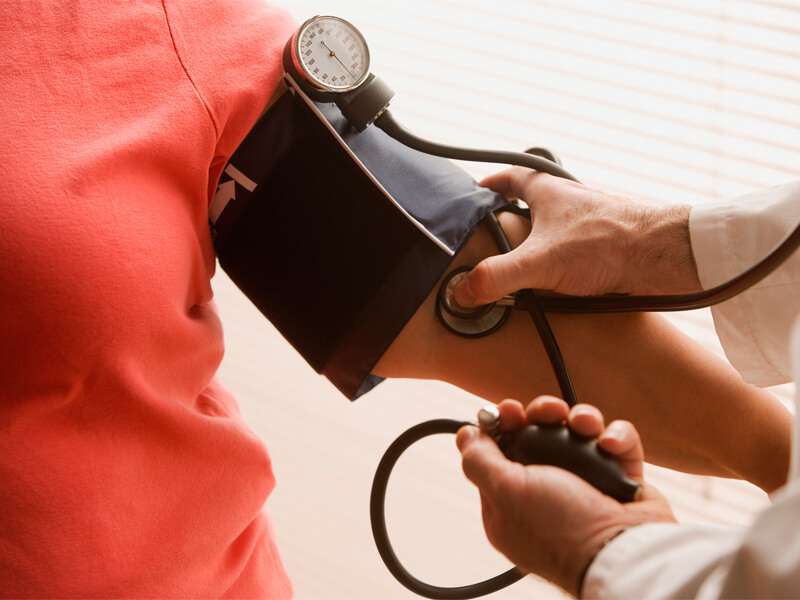
- Diagnosis: Multiple blood pressure readings over time confirm diagnosis; additional tests assess organ damage or underlying causes.
- Treatment options: Lifestyle changes including diet and exercise alongside medications such as ACE inhibitors or beta-blockers help control blood pressure.
- Monitoring: Regular follow-up visits to monitor blood pressure and adjust therapy are crucial to effective management.
With consistent treatment adherence and lifestyle adjustments, individuals can maintain healthier blood pressure levels and lower their risk of cardiovascular events.