
DR K K sharma
About Me
DR K K sharma
MD
Internal Medicine
Biography
My Clinic
OPD Hours
| Monday | Morning | 10:00 AM | - | 02:00 PM |
| Evening | 06:00 PM | - | 09:00 PM | |
| Tuesday | Morning | 10:00 AM | - | 02:00 PM |
| Evening | 06:00 PM | - | 09:00 PM | |
| Wednesday | Morning | 10:00 AM | - | 02:00 PM |
| Evening | 06:00 PM | - | 09:00 PM | |
| Thursday | Morning | 10:00 AM | - | 02:00 PM |
| Evening | 06:00 PM | - | 09:00 PM | |
| Friday | Morning | 10:00 AM | - | 02:00 PM |
| Evening | 06:00 PM | - | 09:00 PM | |
| Saturday | Morning | 10:00 AM | - | 02:00 PM |
| Evening | 06:00 PM | - | 09:00 PM | |
| Sunday | Morning | 10:00 AM | - | 02:00 PM |
| Evening | 06:00 PM | - | 09:00 PM |
Treatments
Specialised care and treatments offered
ANEMIA EVALUATION
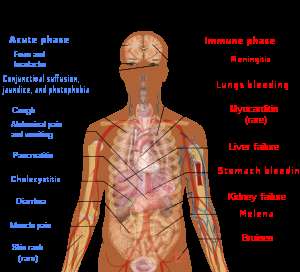
Anemia is characterized by a lack of healthy red blood cells which hampers oxygen transport within the body. Understanding its origins assists in effective treatment strategies tailored to each patient’s needs.
- Symptoms: Fatigue,
weakness,
pale skin, and shortness of breath during exertion commonly characterize anemia. - Diagnosis: Blood tests measuring hemoglobin levels along with evaluating red cell indices help confirm the diagnosis.
- Treatment Options: Depending on its cause,
treatments might involve dietary supplementation like iron rich foods,
vitamin B12 injections,
or sometimes more significant interventions like transfusions - What to Expect: Continuous monitoring after diagnosis will ensure improvement & adjust intervention protocols where necessary.
Anemia management underscores personalized care focused on sustaining energy levels while addressing underlying causes efficiently.
GERD TREATMENT
ASTHMA MANAGEMENT
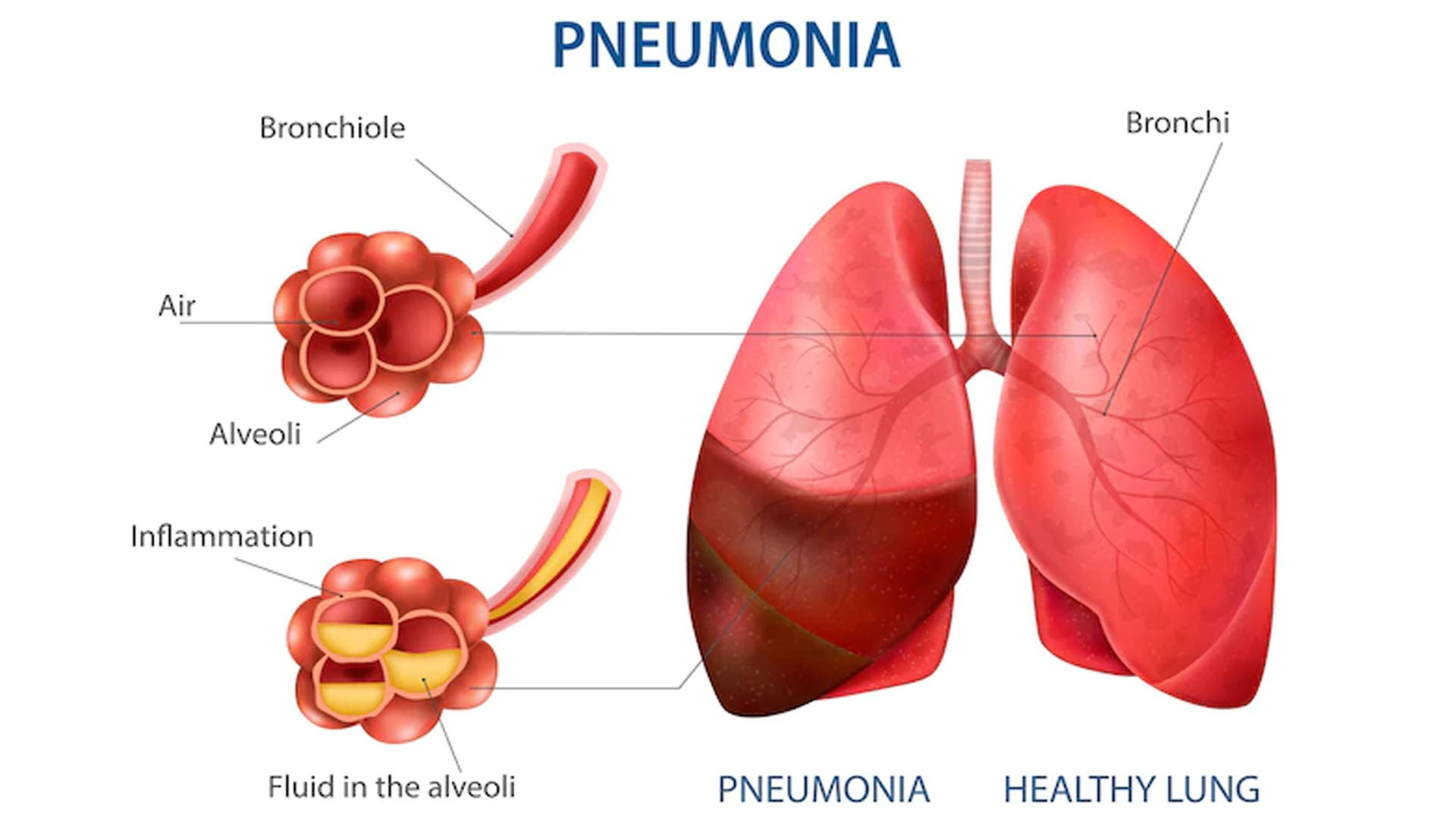
Asthma is a chronic condition affecting the airways in the lungs, causing difficulty in breathing due to inflammation. Awareness of triggers is vital in managing this condition effectively.
- Symptoms: Patients may experience wheezing, coughing, chest tightness or shortness of breath during asthma attacks triggered by allergens or irritants.
- Diagnosis: Asthma is diagnosed through patient history evaluation alongside lung function tests such as spirometry.
- Treatment Options: Treatment typically involves inhalers (both preventers and relievers), oral medications, and avoidance strategies for known triggers.
- What to Expect: Continuous monitoring is essential; patients should maintain an action plan for their asthma management with scheduled reviews with healthcare providers.
An individualized management plan allows patients with asthma to maintain an active lifestyle while minimizing symptoms effectively.
CHOLESTEROL MANAGEMENT
Managing cholesterol is crucial for overall cardiovascular health. High levels can lead to artery blockage and increase the risk of heart disease without any preceding symptoms.
- Symptoms: Generally silent; however, significant buildup can manifest through chest pain or other heart-related issues.
- Diagnosis: A lipid panel blood test helps determine cholesterol levels including LDL (bad) cholesterol and HDL (good) cholesterol.
- Treatment Options: Lifestyle modifications such as a heart-healthy diet paired with exercise are foundational. Statins or other medications might be prescribed based on individual needs.
- What to Expect: Regular follow-ups will help track progress and adapt treatment strategies when necessary for optimal results.
Pursuing a comprehensive plan toward managing cholesterol can greatly enhance heart health over time.
DIABETES MANAGEMENT
Diabetes is a chronic condition that affects how your body processes glucose. With careful management, individuals can lead healthy lives while maintaining stable blood sugar levels.
- Symptoms: Common signs include increased thirst and hunger, frequent urination, fatigue, and blurred vision.
- Diagnosis: Blood tests such as fasting glucose tests or A1C tests are used to diagnose diabetes.
- Treatment Options: Depending on the type of diabetes, treatment may involve dietary adjustments, exercise regimens, and potentially insulin therapy.
- What to Expect: Regular health check-ups allow for ongoing monitoring of blood sugar levels and adjustment of treatment protocols as needed.
A proactive approach can help manage diabetes effectively and minimize associated health risks.
HYPERTENSION MANAGEMENT
Hypertension, or high blood pressure, is a prevalent condition that can lead to serious health complications if left unaddressed. It often develops over many years and may not present noticeable symptoms initially, which makes regular monitoring essential.
- Symptoms: Most individuals are asymptomatic; however, severe cases may cause headaches, shortness of breath, or nosebleeds.
- Diagnosis: Blood pressure readings taken during routine check-ups are pivotal. A diagnosis typically requires multiple readings over time.
- Treatment Options: Management strategies may include lifestyle changes such as diet and exercise as well as medications like diuretics or ACE inhibitors.
- What to Expect: Regular follow-up appointments are crucial to monitor blood pressure and adjust treatment plans accordingly.
Effective management of hypertension is key to reducing the risk of heart disease and stroke. Early intervention can greatly improve quality of life.