
DR K K Sharma
About Me
DR K K Sharma
MS
Urologists
10 Years Experience
Biography
My Clinic
OPD Hours
| Monday | Morning | 10:00 AM | - | 02:00 PM |
| Evening | 06:00 PM | - | 09:00 PM | |
| Tuesday | Morning | 10:00 AM | - | 02:00 PM |
| Evening | 06:00 PM | - | 09:00 PM | |
| Wednesday | Morning | 10:00 AM | - | 02:00 PM |
| Evening | 06:00 PM | - | 09:00 PM | |
| Thursday | Morning | 10:00 AM | - | 02:00 PM |
| Evening | 06:00 PM | - | 09:00 PM | |
| Friday | Morning | 10:00 AM | - | 02:00 PM |
| Evening | 06:00 PM | - | 09:00 PM | |
| Saturday | Morning | 10:00 AM | - | 02:00 PM |
| Evening | 06:00 PM | - | 09:00 PM | |
| Sunday | Morning | 10:00 AM | - | 02:00 PM |
| Evening | 06:00 PM | - | 09:00 PM |
Treatments
Specialised care and treatments offered
BOTULINUM TOXIN INJECTION FOR OVERACTIVE BLADDER
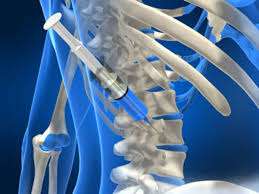
An overactive bladder causes sudden urges and frequent urination which significantly impacts quality of life. Botulinum toxin injections offer another option when oral medications fail or cause side effects.
- Signs & underlying reasons:Urgency accompanied by involuntary detrusor muscle contractions frequently triggered without infection presence .
- Pre-procedure diagnostics:Bladder diary assessment alongside urodynamic studies evaluate bladder activity levels determining candidate eligibility .
- Injection technique details:Delivered into bladder wall via cystoscope under local anesthesia targeting muscle relaxation controlling contraction frequency/intensity .
- Anticipated patient outcomes:Improvement typically seen within days lasting several months requiring repeat treatments tailored per symptom recurrence degree .
This nonsurgical method provides effective symptom control minimally invasive manner suited for persistent refractory cases avoiding more aggressive surgeries .
PERCUTANEOUS NEPHROLITHOTOMY (PCNL)

This is a preferred surgical method for removing large or complex kidney stones through a small skin incision under imaging guidance rather than open surgery approaches requiring bigger cuts and longer healing periods.
- Kidney stone impact & signs: Severe flank pain often accompanied by hematuria due to blocked urine outflow from sizable calculi presence within renal collecting system.
- Sophisticated imaging required:X-rays, CT scan help delineate stone size/location facilitating precise access planning during PCNL procedure setup .
- Procedure description: A narrow tube called nephroscope passes through the skin directly into kidney allowing fragmentation/removal under direct vision guided by fluoroscopy .
- Expected recovery timeline: Usually a few days hospitalization followed by gradual return home routines ; adjunctive antibiotics manage infection risk post operatively .
PCNL provides high clearance rates especially suited for complicated stone burdens limiting repeated interventions needed otherwise .
HOLMIUM LASER ENUCLEATION OF THE PROSTATE (HOLEP)

This technique treats enlarged prostates by precisely removing obstructive tissue using laser technology. It is suitable for moderate to large prostate enlargement cases causing urinary symptoms.
- Presentation & causes: Symptoms include slowed urine stream, urgency, nocturia caused by benign prostate enlargement interfering with urine flow.
- Differential diagnosis & tests: Ultrasound measurements combined with flow rate analysis confirm suitability for HoLEP treatment.
- Surgical details: A laser fiber inserted via the urethra enucleates excess prostate tissue preserving surrounding structures without extensive bleeding risks typical of traditional surgery.
- PATIENT prognosis: Most patients experience significant symptom relief within weeks; hospital stay is usually brief with low complication incidence reported historically in studies.
The precision of HoLEP enables safe management of larger prostates offering an alternative where other therapies may be inadequate or contraindicated.
MINIMALLY INVASIVE SURGERY FOR STRESS URINARY INCONTINENCE

Stress urinary incontinence occurs when physical activities cause unintentional urine leakage due to weakened pelvic muscles. Minimally invasive surgical techniques can restore continence with less downtime.
- Causative factors & symptoms: Leakage during coughing, sneezing or exercise; commonly related to childbirth or aging effects on pelvic floor strength.
- Evaluation process: Clinical examination alongside urodynamic tests assess bladder function and muscle integrity.
- Surgical modalities: Procedures such as mid-urethral sling placement use small incisions and synthetic mesh to support urethral closure pressure during stress events.
- Treatment outlook: High success rates with rapid return to daily activities; potential risks include infection or mesh-related complications which are rare with expert care.
Selecting appropriate candidates ensures durable improvements in bladder control enhancing overall wellbeing.
URETEROSCOPY FOR KIDNEY STONES

Kidney stones can cause severe pain and obstruction in the urinary tract. Ureteroscopy is a minimally invasive procedure used to diagnose and treat stones lodged in the ureter or kidney.
- Symptoms & causes: Flank pain, blood in urine, nausea often signal stone formation due to dehydration or metabolic factors.
- Diagnostic methods: Imaging such as ultrasound or CT scans localize stones prior to treatment planning.
- Treatment approach: A thin scope is inserted through the urethra into the ureter; stones are fragmented with laser energy or removed directly without external incisions.
- Patient experience: Usually performed under anesthesia with short recovery times; stents may be placed temporarily for drainage.
This procedure offers effective relief from obstructive stones with minimal discomfort compared to open surgery options.
BENIGN PROSTATIC HYPERPLASIA (BPH) MANAGEMENT

Benign Prostatic Hyperplasia (BPH) is a common condition affecting men as they age, characterized by an enlarged prostate gland that can lead to urinary difficulties.
- Symptoms and causes: Frequent urination, weak urine stream, and difficulty starting urination resulting from non-cancerous prostate growth.
- Diagnosis: Digital rectal exams, urine flow studies, and ultrasound help confirm diagnosis and assess severity.
- Treatment options: Lifestyle modifications, medications such as alpha-blockers and 5-alpha reductase inhibitors, and minimally invasive procedures like transurethral needle ablation or laser therapy are available.
- What to expect: Treatment aims to relieve symptoms, improve quality of life, and prevent complications such as urinary retention or bladder damage.
Early detection and tailored management can effectively control BPH symptoms while minimizing side effects. Regular follow-up ensures optimal outcomes over time.