
Dr K Kumar
About Me
Dr K Kumar
MBBS
Cardiologist
10 Years Experience
Biography
My Clinic
OPD Hours
| Monday | Morning | 10:00 AM | - | 02:00 PM |
| Evening | 06:00 PM | - | 09:00 PM | |
| Tuesday | Morning | 10:00 AM | - | 02:00 PM |
| Evening | 06:00 PM | - | 09:00 PM | |
| Wednesday | Morning | 10:00 AM | - | 02:00 PM |
| Evening | 06:00 PM | - | 09:00 PM | |
| Thursday | Morning | 10:00 AM | - | 02:00 PM |
| Evening | 06:00 PM | - | 09:00 PM | |
| Friday | Morning | 10:00 AM | - | 02:00 PM |
| Evening | 06:00 PM | - | 09:00 PM | |
| Saturday | Morning | 10:00 AM | - | 02:00 PM |
| Evening | 06:00 PM | - | 09:00 PM | |
| Sunday | Morning | 10:00 AM | - | 02:00 PM |
| Evening | 06:00 PM | - | 09:00 PM |
Treatments
Specialised care and treatments offered
RADIOFREQUENCY CATHETER ABLATION

This technique treats certain types of abnormal heart rhythms by destroying small areas of tissue causing irregular electrical signals. It offers a minimally invasive cure for arrhythmias resistant to medication.
- Indications include supraventricular tachycardia , atrial flutter , and some forms of atrial fibrillation .
- Procedure: A catheter delivers radiofrequency energy via veins into the heart , selectively ablating problematic tissue .
- Benefits: High success rates with low complication risk compared with open surgery .
- Recovery: Most patients resume normal activities soon ; medications may be tapered based on response .
This minimally invasive option dramatically improves quality of life by restoring normal rhythm when conservative measures fail.
IMPLANTABLE LOOP RECORDER
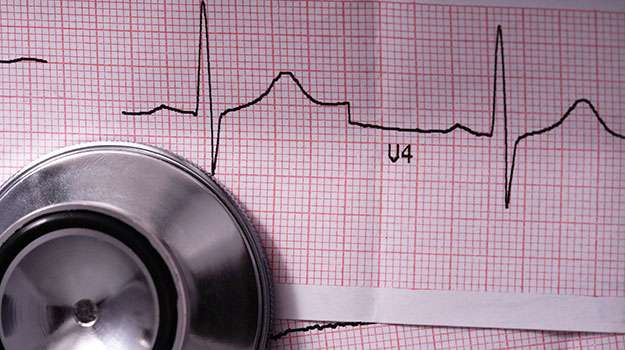
An implantable loop recorder is a small device placed just under the skin on the chest that continuously monitors heart rhythms over months. It detects infrequent arrhythmias that standard monitors may miss.
- Main use cases include: unexplained fainting episodes (syncope) or suspected intermittent arrhythmias causing symptoms but elusive on routine tests.
- The insertion procedure: minor outpatient intervention performed under local anesthesia with minimal discomfort and quick recovery time.
- The device records: irregular heartbeats automatically or when triggered by patient-activated symptoms recording via an external remote).
CARDIAC STRESS TESTING
A cardiac stress test evaluates how your heart responds during physical exertion or controlled exercise. It helps identify ischemic changes signaling restricted blood flow under stress conditions.
- Screens for: Coronary artery disease when symptoms are vague or exercise tolerance needs assessment.
- The protocol involves: Walking on a treadmill or pedaling a stationary bike while ECG and vital signs are monitored closely.
- If unable to exercise: Pharmacologic agents simulate exercise effects on the heart safely under supervision.
- The outcome guides therapy choices, including lifestyle modification, medications, or further investigations like angiography if needed.
This procedure plays an important role in preventive cardiology by uncovering hidden risks before significant events occur.
ECHOCARDIOGRAPHY
Echocardiography uses ultrasound waves to create images of the heart’s structure and function. It is a key diagnostic tool in evaluating many cardiac conditions without radiation exposure.
- Indications: Symptoms like shortness of breath, murmurs, or suspected valve disease prompt this exam.
- Technique: A transducer placed on the chest emits sound waves that bounce off cardiac tissues, producing real-time images.
- Information gained: Assesses chamber size, wall motion, valve function, and blood flow dynamics within the heart.
- Treatment impact: Helps in planning medical or surgical interventions based on detailed visualization of abnormalities.
This safe and painless test provides essential data for comprehensive cardiac care tailored to individual needs.
HOLTER MONITORING
Holter monitoring involves continuous recording of the heart’s electrical activity over 24-48 hours using a portable device. It is especially useful in detecting irregular heart rhythms that may not appear during brief clinic visits.
- Purpose: To capture arrhythmias or palpitations occurring during normal daily activities.
- Procedure: Electrodes are attached to the chest and connected to a small monitor worn by the patient.
- Data analysis: Recorded data is examined to identify abnormal heartbeats and guide treatment decisions.
- Advantages: Non-invasive, easy to perform, and provides valuable diagnostic insights beyond standard ECG tests.
This test helps in tailoring appropriate therapies for rhythm disturbances while allowing patients to maintain regular routines during monitoring.
PERCUTANEOUS CORONARY INTERVENTION (PCI)
Percutaneous Coronary Intervention (PCI) is a minimally invasive procedure used to open narrowed or blocked coronary arteries. This helps restore blood flow to the heart muscle, often relieving chest pain and preventing heart attacks.
- Symptoms and causes: Patients often have chest discomfort due to coronary artery disease caused by plaque buildup.
- Diagnosis: Coronary angiography identifies the location and severity of arterial blockages.
- Treatment process: A catheter is inserted through an artery to place a stent that holds the artery open.
- Post-procedure care: Patients typically recover quickly and are advised on lifestyle changes and medications to prevent recurrence.
This approach offers a less invasive alternative to surgery with effective outcomes for many patients dealing with coronary artery disease.