
Dr K Nirmalchandra Shetty
About Me
Dr K Nirmalchandra Shetty
Cardiologist
Biography
My Clinic
OPD Hours
| Tuesday | Morning | 10:00 AM | - | 02:00 PM |
| Evening | 06:00 PM | - | 09:00 PM | |
| Wednesday | Morning | 10:00 AM | - | 02:00 PM |
| Evening | 06:00 PM | - | 09:00 PM | |
| Thursday | Morning | 10:00 AM | - | 02:00 PM |
| Evening | 06:00 PM | - | 09:00 PM | |
| Friday | Morning | 10:00 AM | - | 02:00 PM |
| Evening | 06:00 PM | - | 09:00 PM | |
| Saturday | Morning | 10:00 AM | - | 02:00 PM |
| Evening | 06:00 PM | - | 09:00 PM | |
| Sunday | Morning | 10:00 AM | - | 02:00 PM |
| Evening | 06:00 PM | - | 09:00 PM | |
| Thursday | Morning | 10:00 AM | - | 02:00 PM |
| Evening | 06:00 PM | - | 09:00 PM |
Treatments
Specialised care and treatments offered
STRESS TEST
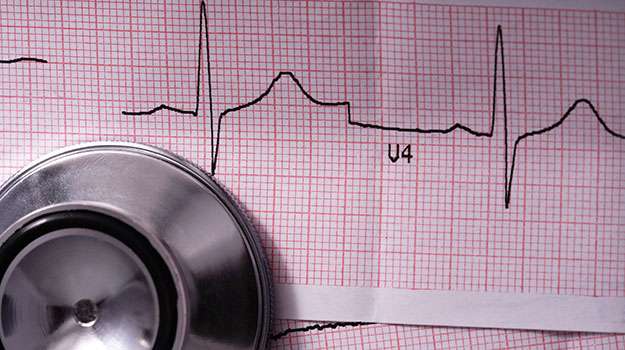
A stress test evaluates how well your heart functions under physical exertion. Typically performed on a treadmill while monitored by medical professionals, it provides insight into cardiovascular performance during stress situations without needing invasive procedures.
- Common symptoms assessed include chest pain during exercise, fatigue levels post-activity, shortness of breath and any abnormal heartbeat reactions throughout exertion stages.
- Diagnostic measures involve monitoring electrocardiogram (ECG) readings alongside vital signs continuously until testing concludes.
- Following specific protocols applicable based on individual health status ensures safety throughout this examination process.
- Test outcomes assist physicians in identifying potential risks related to underlying heart disease.
- Patients receive instructions regarding pre-test preparations such as dietary considerations beforehand ensuring consistent results across assessments.
CARDIAC CATHETERIZATION

Cardiac catheterization is both diagnostic and therapeutic. This procedure involves threading a thin catheter through blood vessels to examine heart chambers, valves, and blood vessels under X-ray imaging.
- This method helps assess problems like coronary artery disease by revealing blockages or narrowed areas in arteries supplying blood to the heart muscle.
- The process usually begins with local anesthesia applied at the entry site; it's typically done on an outpatient basis after preliminary evaluations such as an ECG or stress test are conducted.
- If necessary, during catheterization, treatments like stent placement can occur simultaneously for immediate relief from blockage issues.
- You can expect recovery within hours post-procedure; however, some guidelines about activity will be provided by healthcare professionals afterward.
HOLTER MONITOR
A Holter monitor is a portable device that records your heart's activity for 24-48 hours. This continuous monitoring helps detect irregularities in heartbeat patterns that might not be captured during a standard ECG test in the office.
- You might need this test if you experience symptoms like dizziness, palpitations, or unexplained fainting episodes.
- The monitor consists of electrodes attached to your skin with wires connected to a recording device worn around your waist or neck.
- Your doctor will provide guidelines on daily activities while wearing the monitor to ensure comprehensive data collection without interference.
- After wearing it for the specified time, you return it for analysis where physicians look for abnormalities in heart rhythms (arrhythmias).
- This information is vital in designing effective treatment options tailored specifically for your condition.
ECHOCARDIOGRAM
An echocardiogram (echo) is a crucial diagnostic tool used to visualize heart structures and assess their functionality using sound waves. It allows doctors to detect various heart conditions without surgery, making it essential in cardiology practice.
- This test can help identify abnormalities such as valve diseases, congenital heart defects, and issues related to the heart muscle.
- An echo is typically performed with no special preparation; patients lie down while a technician applies gel on the chest and uses a device called a transducer.
- The procedure is generally non-invasive and painless, providing real-time imaging of the heart.
- Results are analyzed to guide treatment options which may include medication, lifestyle changes, or further interventions.
- Echocardiograms play an important role in monitoring ongoing heart conditions over time.
This test helps make informed decisions about managing your cardiovascular health effectively.
CORONARY ANGIOPLASTY
Coronary Angioplasty is a minimally invasive procedure aimed at restoring blood flow through narrowed or blocked coronary arteries. This situation typically occurs due to plaque buildup, which restricts the heart's oxygen supply. Angioplasty can greatly improve heart function and alleviate symptoms of coronary artery disease.
- Symptoms may include chest pain or discomfort (angina), shortness of breath, and fatigue.
- The diagnosis is usually confirmed with tests such as coronary angiography, where a dye is injected into the arteries for X-ray examination.
- Treatment involves inserting a thin tube called a catheter through a blood vessel, often in the wrist or groin, to reach the blocked artery.
- The procedure may also involve placing a small mesh tube called a stent to keep the artery open long-term.
- Post-procedure expectations include monitoring for complications and following a regimen of medications to prevent further blockages.
This intervention can significantly enhance quality of life by relieving symptoms and preventing major cardiac events.