
Dr K P Balsara
About Me
Dr K P Balsara
Anesthesiologist
Biography
My Clinic
OPD Hours
| Tuesday | Morning | 10:00 AM | - | 02:00 PM |
| Evening | 06:00 PM | - | 09:00 PM | |
| Wednesday | Morning | 10:00 AM | - | 02:00 PM |
| Evening | 06:00 PM | - | 09:00 PM | |
| Thursday | Morning | 10:00 AM | - | 02:00 PM |
| Evening | 06:00 PM | - | 09:00 PM | |
| Friday | Morning | 10:00 AM | - | 02:00 PM |
| Evening | 06:00 PM | - | 09:00 PM | |
| Saturday | Morning | 10:00 AM | - | 02:00 PM |
| Evening | 06:00 PM | - | 09:00 PM | |
| Sunday | Morning | 10:00 AM | - | 02:00 PM |
| Evening | 06:00 PM | - | 09:00 PM | |
| Thursday | Morning | 10:00 AM | - | 02:00 PM |
| Evening | 06:00 PM | - | 09:00 PM |
Treatments
Specialised care and treatments offered
INTRAVENOUS (IV) SEDATION
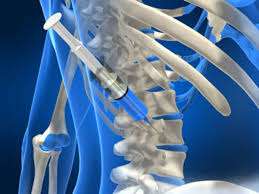
This form of sedation utilizes medications delivered through an IV line that provides deeper relaxation than oral sedatives without complete unconsciousness. It’s particularly effective in outpatient settings addressing minor surgical interventions or dental procedures.
- Effectiveness: The immediate onset enhances procedural efficiency as it reduces patient anxiety promptly upon administration.
- Usage Scenarios: This technique suits various applications including surgery on soft tissues or dental work requiring meticulous attention without excessive discomfort experienced by patients adequately sedated at lower levels traditionally used previously. < 1 mov = 8 f d 6 m < p /> Quick Recovery:< / / < src = k-h Short time frames usually allow discharge shortly afterward with thorough instructions provided regarding follow-up care should any concerns arise unexpectedly post-anesthesia sooner than anticipated expectations outline initial warnings given prior procedural pending appointments helping maintain transparency throughout undertaking segment involvement illustrating responsibilities more clearly! < / p > < 1 com-ba=on-2e3-f69 >>
SEDATION FOR DIAGNOSTIC PROCEDURES

Sedation during diagnostic procedures can significantly enhance comfort and reduce anxiety for patients undergoing potentially stressful examinations like endoscopy or colonoscopy.
- Patient Comfort: Sedative options help patients relax without losing consciousness completely; thus aiding cooperation while minimizing discomfort.
- Procedure Indications: Particularly useful for lengthy tests that can induce significant anxiety or discomfort if performed unsedated.
- Monitoring Safety: Continuous monitoring ensures that vital signs remain stable throughout the duration of sedation.
- Recovery Timeline: Most individuals recover quickly post-procedure; however, transportation arrangements home are advised as sedation effects linger temporarily post-examination.
This level of care ensures efficiency throughout medical evaluations while maintaining superior standards focused on safety and satisfaction.
PERIPHERAL NERVE BLOCK

A peripheral nerve block involves injecting anesthetic near specific nerves to effectively relieve pain in targeted areas, commonly used in surgeries on limbs or some abdominal operations.
- Pain Relief Benefits: Provides significant pain management with fewer side effects compared to systemic medications post-surgery.
- Surgical Application: It is frequently employed for hand, shoulder, hip, or knee surgeries
This innovative approach enhances overall surgical outcomes by prioritizing patient comfort before, during, and after procedures.
AWAKE INTUBATION

Awake intubation is a technique employed when traditional intubation poses higher risks. This procedure allows for better airway access with reduced complications in certain high-risk patients.
- Candidates: Typically indicated for patients with difficult airways or those requiring emergency surgeries where rapid intubation may be hazardous.
- Procedure Explanation: Local anesthesia is applied to the throat, allowing the patient to remain conscious during intubation for optimal control and safety.
- Sedation Level: Patients can choose various levels of sedation depending on their anxiety levels while ensuring airway reflexes remain intact.
- Post-Procedure Care: Close monitoring immediately following intubation ensures no complications arise from the procedure itself.
This technique emphasizes safety and efficacy, particularly in challenging clinical situations where standard methods may be inadequate.
MONITORED ANESTHESIA CARE (MAC)

This method of sedation involves closely monitoring patients receiving minimal sedation during procedures that do not require full general anesthesia. MAC provides a balance of awareness and calm.
- Indications: Often used for outpatient surgeries where quick recovery is beneficial.
- Anesthesia Monitoring: Vital signs are continuously observed to ensure safety and effectiveness throughout the procedure.
- Treatment Options: Medications to induce relaxation while preserving consciousness might be administered via IV or inhalation.
- Recovery Expectations: Most patients can return home within a short period after the procedure due to rapid recovery times associated with MAC.
This technique is ideal for those who prefer minimal interference yet need sufficient pain management during their procedures.
REGIONAL ANESTHESIA

Regional anesthesia is a medical technique that involves blocking sensation in specific areas of the body during surgical or diagnostic procedures. It is often preferred for its effective pain relief and minimal systemic effects.
- Symptoms/Conditions Treated: Regional anesthesia is commonly used for surgeries on the lower limbs, abdomen, and pelvis.
- Diagnosis: The decision to use regional anesthesia typically follows discussions about the patient’s medical history and current health status.
- Treatment/Management: Techniques may include spinal or epidural anesthesia, allowing patients to remain awake while minimizing pain.
- What to Expect: Patients might feel pressure or warmth but generally not pain; sedation can be offered if needed.
This approach can significantly enhance comfort during procedures while reducing recovery time.