
Dr Kailash Gokral
About Me
Dr Kailash Gokral
Internal Medicine
Biography
My Clinic
OPD Hours
| Tuesday | Morning | 10:00 AM | - | 02:00 PM |
| Evening | 06:00 PM | - | 09:00 PM | |
| Wednesday | Morning | 10:00 AM | - | 02:00 PM |
| Evening | 06:00 PM | - | 09:00 PM | |
| Thursday | Morning | 10:00 AM | - | 02:00 PM |
| Evening | 06:00 PM | - | 09:00 PM | |
| Friday | Morning | 10:00 AM | - | 02:00 PM |
| Evening | 06:00 PM | - | 09:00 PM | |
| Saturday | Morning | 10:00 AM | - | 02:00 PM |
| Evening | 06:00 PM | - | 09:00 PM | |
| Sunday | Morning | 10:00 AM | - | 02:00 PM |
| Evening | 06:00 PM | - | 09:00 PM | |
| Thursday | Morning | 10:00 AM | - | 02:00 PM |
| Evening | 06:00 PM | - | 09:00 PM |
Treatments
Specialised care and treatments offered
GASTROESOPHAGEAL REFLUX DISEASE (GERD)
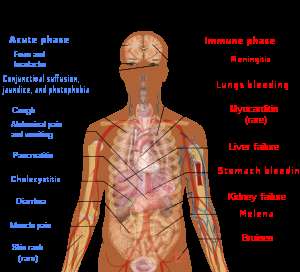
This chronic digestive condition occurs when stomach acid flows back into the esophagus causing irritation. GERD affects individuals' daily lives significantly due its uncomfortable symptoms that need addressing promptly!
- Symptoms : Frequent heartburn regurgitation sour taste mouth trouble swallowing chest pain occurring laying down enhance discomfort after meals becomes evident experiencing sore throats persistent cough reflects reflux-related issues often seen accompanying conditions asthma allergies etc.!
- Causes : Obesity smoking pregnancy certain medications increase risk developing GERD while hiatal hernia also plays notable role contributing onset these symptoms manifest themselves subsequently directly impacting quality living!
- Diagnosis : Diagnosis made through symptom reporting detailed histories combined endoscopic evaluations confirming presence esophagitis Barrett’s esophagus other complications related inflammatory responses noted progressing severity cases encountered.
- Treatment options : Lifestyle adjustments consisting dietary changes weight loss minimizing trigger foods coupled medications antacids PPIs H2-receptor antagonists effective symptomatic relief promoting healingof esophagus lining diminishing recurrences allowing affected patients reclaim normalcy!
Consultation discussing concerns enables collaborative decision-making achieving personalized plans maximizing successful management behaviors improving overall satisfaction choosing follow-ups promptly act accordingly ensuring peace mind with ongoing support throughout journey!
LIVER FUNCTION TESTS
Liver function tests (LFTs) assess various enzymes produced by the liver that help identify liver inflammation or damage. These tests provide crucial insight into liver health status across diverse conditions affecting this vital organ's function.
- Symptoms : Abnormal LFT results may not present immediate symptoms; however signs like jaundice (yellowing skin/eyes), abdominal pain could indicate issues.
- Causes : Liver dysfunction arises from infections (e.g., hepatitis), fatty liver disease dyslipidemia alcohol use disorders.
- Diagnosis : Blood samples analyzed reveal enzyme levels (ALT/AST); elevations suggest possible liver injury requiring further evaluation via imaging studies/biopsy.
- Treatment options : Management relies on identifying underlying causes—lifestyle intervention reducing alcohol intake medication supporting regeneration might be advised based patient’s situation—monitoring progresses overtime ensures positive outcomes!
- What to expect : Regular follow-up appointments will allow tracking liver health progress depending treatments tailored individualized needs thoroughly enhancing recovery potential!
Understanding these assessments allows proactive measures ensuring early detection preventing severe consequences positively impacting overall well-being!
ANEMIA
Anemia occurs when you lack enough healthy red blood cells to carry adequate oxygen to your body's tissues. This deficiency can result from various underlying conditions affecting red cell production or loss.
- Symptoms: Common indicators include fatigue, weakness, pale skin, dizziness, and shortness of breath during exertion.
- Causes: Anemia can be caused by deficiencies in iron or vitamin B12; chronic diseases and genetic disorders may also play roles in its development.
- Diagnosis: Blood tests measuring hemoglobin levels are typically used alongside additional tests based on suspected causes such as iron studies or bone marrow exams if necessary.
A thorough evaluation ensures effective treatment tailored to individual needs for optimal results。
CHRONIC OBSTRUCTIVE PULMONARY DISEASE (COPD)
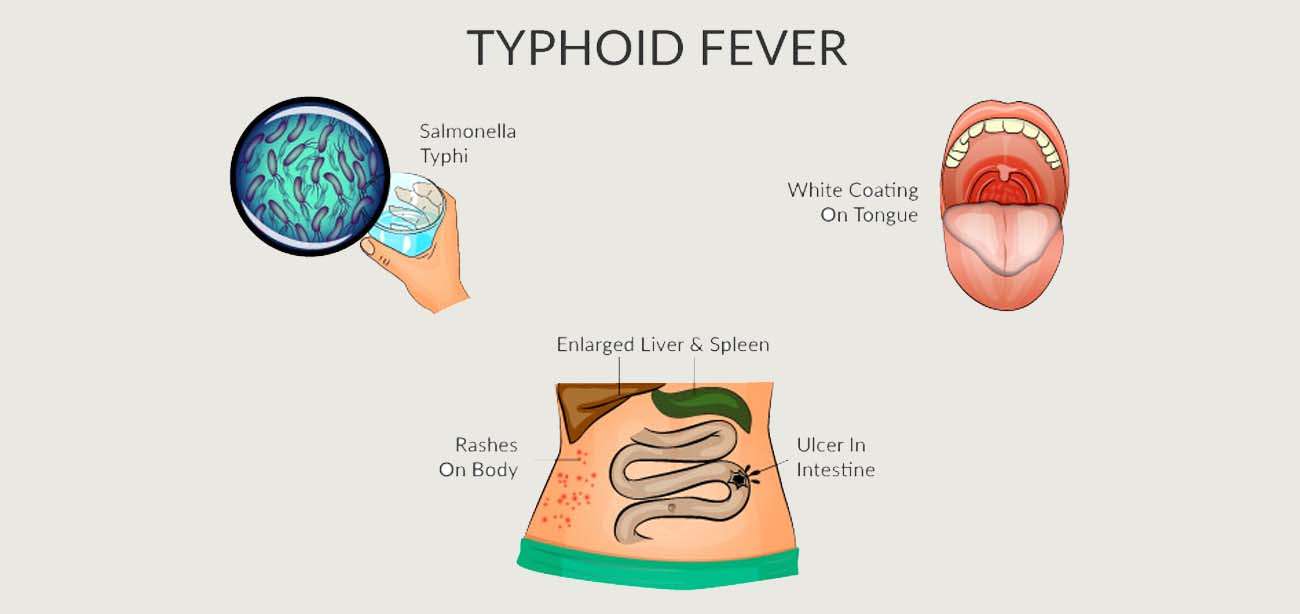
COPD encompasses a group of lung diseases characterized by persistent respiratory symptoms. It primarily includes emphysema and chronic bronchitis resulting from long-term exposure to harmful particles or gases.
- Symptoms: Patients often experience chronic cough, increased mucus production, wheezing, and difficulty breathing during physical activities.
- Causes: The leading cause is tobacco smoke; air pollution and occupational hazards also contribute significantly to its development.
- Diagnosis: A combination of medical history review, physical examination, and spirometry testing help confirm the diagnosis by assessing lung function.
- Treatment options: While there is no cure, management includes bronchodilators for symptom relief and pulmonary rehabilitation programs focused on exercise training and education.
- What to expect: With appropriate management strategies in place, patients can maintain a better quality of life despite living with COPD.
A proactive approach can greatly improve lung function over time。
DIABETES MELLITUS
Diabetes mellitus refers to a group of diseases that affect how your body utilizes blood sugar (glucose). Chronic diabetes can lead to serious complications if improperly managed.
- Symptoms: Common signs include increased thirst, frequent urination, extreme fatigue, and blurred vision.
- Causes: Causes vary by type; Type 1 is autoimmune while Type 2 is often linked to lifestyle factors such as diet and activity level.
- Diagnosis: Diagnosed through blood tests measuring glucose levels; fasting glucose or A1C tests are commonly used.
- Treatment options: Management involves lifestyle modifications, monitoring blood sugar levels regularly, and may require insulin or oral medications for control.
- What to expect: Consistent self-management can lead to a full life with diabetes while minimizing risks of complications over time.
An informed approach empowers patients in managing their condition effectively.
HYPERTENSION
Hypertension, or high blood pressure, is a common condition that can lead to serious health issues if left untreated. It often develops over many years and may not show noticeable symptoms until significant damage has occurred.
- Symptoms: Many individuals may experience headaches, shortness of breath, or nosebleeds, but most have no symptoms at all.
- Causes: Factors include obesity, lack of physical activity, excessive salt intake, smoking, and genetics.
- Diagnosis: Blood pressure is measured using a sphygmomanometer; multiple readings are usually taken on different days for accuracy.
- Treatment options: Lifestyle changes such as diet and exercise are essential; medications like diuretics or ACE inhibitors may be prescribed based on the severity.
- What to expect: Regular monitoring and follow-ups are crucial to manage blood pressure levels effectively.
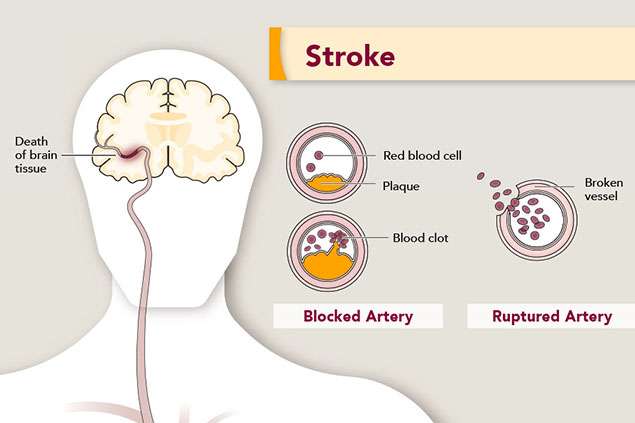
Managing hypertension is vital for maintaining overall health and preventing complications such as heart disease or stroke.