
Dr Kailash RAI
About Me
Dr Kailash RAI
MD
Diabetologist
10 Years Experience
Biography
My Clinic
OPD Hours
| Monday | Morning | 10:00 AM | - | 02:00 PM |
| Evening | 06:00 PM | - | 09:00 PM | |
| Tuesday | Morning | 10:00 AM | - | 02:00 PM |
| Evening | 06:00 PM | - | 09:00 PM | |
| Wednesday | Morning | 10:00 AM | - | 02:00 PM |
| Evening | 06:00 PM | - | 09:00 PM | |
| Thursday | Morning | 10:00 AM | - | 02:00 PM |
| Evening | 06:00 PM | - | 09:00 PM | |
| Friday | Morning | 10:00 AM | - | 02:00 PM |
| Evening | 06:00 PM | - | 09:00 PM | |
| Saturday | Morning | 10:00 AM | - | 02:00 PM |
| Evening | 06:00 PM | - | 09:00 PM | |
| Sunday | Morning | 10:00 AM | - | 02:00 PM |
| Evening | 06:00 PM | - | 09:00 PM |
Treatments
Specialised care and treatments offered
HYPOGLYCEMIA MANAGEMENT

Hypoglycemia refers to abnormally low blood sugar levels that can occur due to various reasons including medication effects or skipped meals. Recognizing symptoms early can prevent severe consequences...
- '
- Main symptoms may comprise weakness, dizziness, confusion, tremors, sweating etc., necessitating immediate attention... ';'
INSULIN RESISTANCE ASSESSMENT
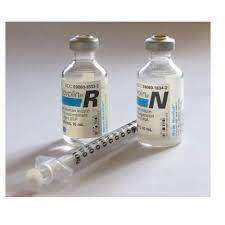
Insulin resistance occurs when cells become less responsive to insulin's action. This condition often leads to prediabetes or type 2 diabetes if not addressed promptly. Understanding its mechanisms aids effective management strategies...
- Main indicators include increased waist circumference and elevated triglyceride levels coupled with lower HDL cholesterol...
- A comprehensive metabolic panel alongside fasting insulin tests helps assess the degree of resistance present...
- Lifestyle interventions including weight loss through improved diet and regular exercise are fundamental treatment approaches...
A proactive approach towards insulin resistance assessment promotes better metabolic health...
DIABETIC NEPHROPATHY DIAGNOSIS
Diabetic nephropathy refers to kidney damage resulting from long-term poorly controlled diabetes. It is essential for patients with diabetes to be screened regularly for kidney function impairment.
- The main symptoms often go unnoticed initially but may later include swelling in ankles or feet due to fluid retention.
- A urine test for microalbuminuria is vital for early diagnosis, allowing intervention before significant damage occurs.
- Treatment focuses on controlling blood sugar levels through diet, exercise, medication, and sometimes dialysis in severe cases.
- Your healthcare provider will also assess blood pressure control as it plays a critical role in protecting kidney health.
Eary identification of diabetic nephropathy can drastically improve outcomes and slow disease progression significantly...
CONTINUOUS GLUCOSE MONITORING (CGM)
Continuous Glucose Monitoring (CGM) is an advanced technology that tracks glucose levels throughout the day and night. It provides real-time insights into fluctuations that can help manage diabetes more effectively.
- The system consists of a small sensor inserted under the skin that measures glucose in tissue fluid continuously.
- This method allows patients to identify patterns in blood glucose levels, which can aid in understanding sugar spikes.
- Cgm devices transmit data to smartphones or monitors, facilitating timely responses to high or low blood sugar episodes.
- This proactive monitoring approach can significantly improve overall diabetes management and quality of life.
With proper use of CGM technology, patients gain better control over their condition while minimizing complications associated with diabetes.
GESTATIONAL DIABETES SCREENING
Gestational diabetes is a form of diabetes that occurs during pregnancy and typically resolves after childbirth. Early detection is crucial for both maternal and fetal health.
- Common signs may be absent; hence screening around the 24th to 28th week of pregnancy is recommended.
- A glucose tolerance test helps diagnose this condition by measuring how efficiently your body processes sugar.
- Treatment may involve dietary modifications, regular physical activity, and sometimes insulin therapy if necessary.
- The goal is to maintain blood sugar levels within a target range to minimize risk factors for both mother and baby.
Your health provider will guide you through the process to ensure a smooth pregnancy experience while managing this condition effectively.
TYPE 1 DIABETES MANAGEMENT
Type 1 diabetes is a chronic condition characterized by the body's inability to produce insulin due to autoimmune destruction of pancreatic beta cells. This condition often presents in childhood or early adulthood, and requires lifelong management.
- Symptoms can include excessive thirst, frequent urination, hunger, fatigue, and blurred vision.
- Diagnosis typically involves blood tests measuring glucose levels, such as fasting glucose tests and HbA1c levels.
- Management strategies include insulin therapy, regular blood glucose monitoring, and lifestyle adjustments like diet and exercise.
- Patients can expect a personalized treatment plan that evolves with their needs over time.
- Ongoing education on carbohydrate counting and insulin administration is crucial for effective control.
Understanding Type 1 diabetes empowers patients to lead healthy lives while managing their condition effectively.