
Dr Kalpesh J Shah
About Me
Dr Kalpesh J Shah
Ophthalmologist
Biography
My Clinic
OPD Hours
| Tuesday | Morning | 10:00 AM | - | 02:00 PM |
| Evening | 06:00 PM | - | 09:00 PM | |
| Wednesday | Morning | 10:00 AM | - | 02:00 PM |
| Evening | 06:00 PM | - | 09:00 PM | |
| Thursday | Morning | 10:00 AM | - | 02:00 PM |
| Evening | 06:00 PM | - | 09:00 PM | |
| Friday | Morning | 10:00 AM | - | 02:00 PM |
| Evening | 06:00 PM | - | 09:00 PM | |
| Saturday | Morning | 10:00 AM | - | 02:00 PM |
| Evening | 06:00 PM | - | 09:00 PM | |
| Sunday | Morning | 10:00 AM | - | 02:00 PM |
| Evening | 06:00 PM | - | 09:00 PM | |
| Thursday | Morning | 10:00 AM | - | 02:00 PM |
| Evening | 06:00 PM | - | 09:00 PM |
Treatments
Specialised care and treatments offered
AGE-RELATED MACULAR DEGENERATION (AMD)
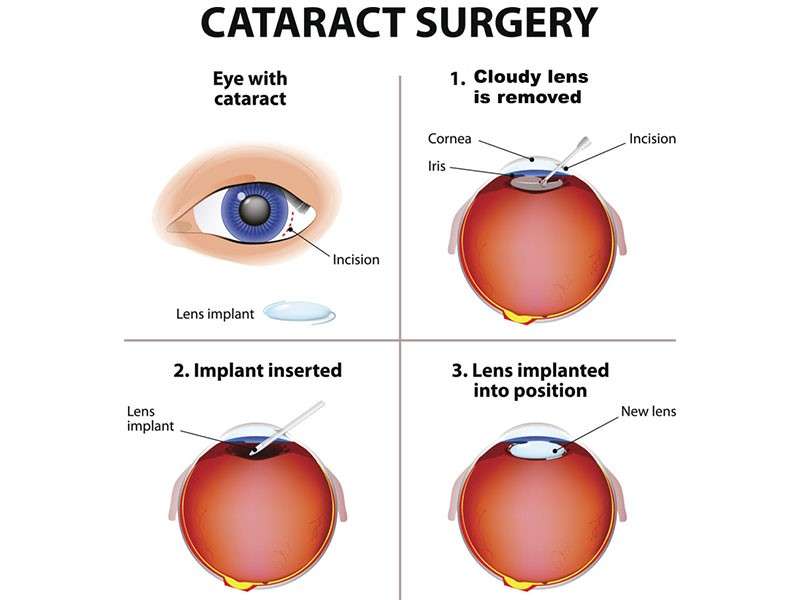
This gradual vision loss condition affects the central part of your retina called the macula. AMD primarily impacts older adults but understanding it early can assist in managing risks effectively!
- Main symptoms include blurry vision while reading or recognizing faces along with dark areas appearing in central vision fields.
- Early diagnosis typically involves detailed retinal examinations where imaging techniques highlight macular changes indicative of AMD development.
- Treatment options consist of antioxdants supplements designed specifically for AMD support alongside laser therapies aimed at halting disease progression.; injections into the eyeball may also benefit those experiencing wet AMD forms where abnormal blood vessels grow beneath retinal layers!
Recognizing risk factors such as family history & smoking habits empowers individuals towards proactive care & lifestyle modifications potentially preserving eyesight well into later years!
PTERYGIUM
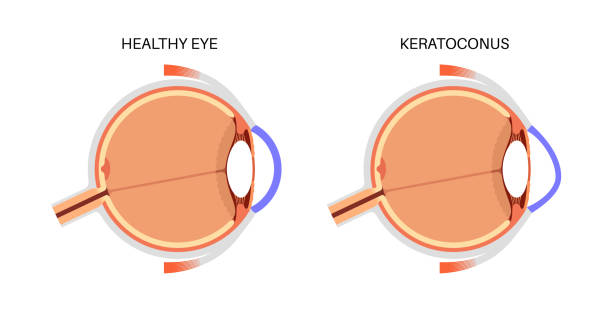
Pterygium is a growth on the conjunctiva that can extend onto the cornea. Often referred to as 'surfer's eye,' it is commonly caused by prolonged sun exposure but can occur anywhere on the eye surface.
- This condition may present with symptoms like irritation, redness, dry eyes, or even blurred vision if it grows large enough to obstruct sight.
- A thorough eye examination allows for accurate diagnosis based on visual acuity tests and observation of pterygium characteristics during slit-lamp examination.
- Treatment options vary based on severity; minor cases might only require lubricating eye drops while moderate-to-severe cases may necessitate surgical removal (excision).
Pterygium shows potential for recurrence after excision; thus follow-up care is critical for monitoring any changes following treatment intervention for optimal results!
BLEPHARITIS
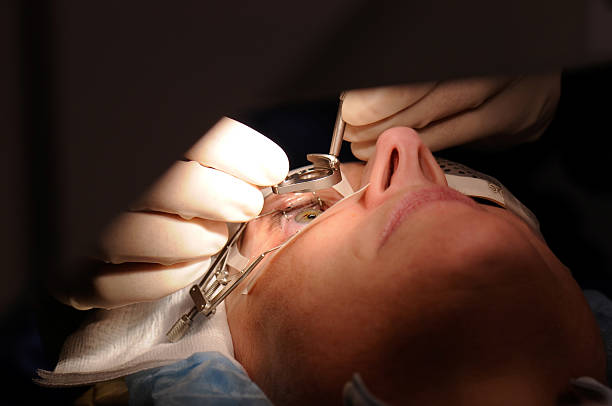
This condition refers to inflammation of the eyelids resulting in irritation and discomfort. It's often caused by an overgrowth of bacteria on the eyelid margins or issues with oil glands.
- The main symptoms include red eyelids, crusty lashes upon waking up, a gritty sensation in the eyes, and potential eyelash loss if left untreated.
- A precise diagnosis involves an ocular exam focusing on eyelid margin assessment for debris and redness caused by inflammation.
- Treatment generally includes good eyelid hygiene practices like warm compresses followed by eyelid scrubs to clean away excess oils and debris. In some cases, antibiotic ointments may also be recommended for infection control.
Persistent blepharitis management is essential for ongoing comfort and maintaining healthy eyes; regular cleaning routines can help control flare-ups effectively over time.
FLOATERS AND SPOTS
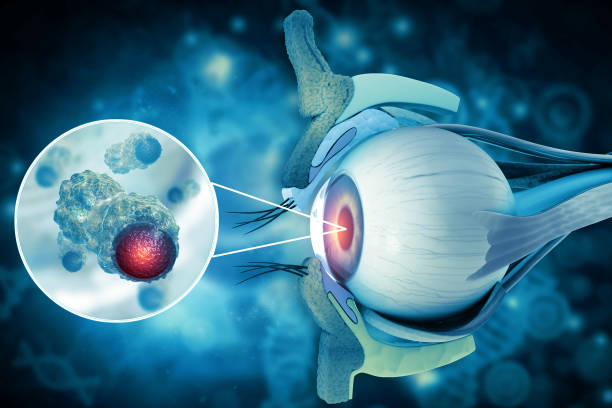
Floaters are tiny spots or lines that can be seen drifting in your field of vision. Although often benign, they can sometimes indicate underlying issues requiring attention.
- Symptoms consist of seeing small specks or cobweb-like images that move as you do.
- A detailed eye examination using specialized instruments helps diagnose floaters accurately; this will assess the vitreous gel's integrity within the eye.
- Most floaters do not need treatment unless they significantly impair vision or are linked to more serious conditions like retinal detachment.
- If necessary, procedures such as vitrectomy, which involves removing the vitreous gel, could be considered in persistent cases with severe floaters interfering with vision.
If you begin experiencing a sudden increase in floaters accompanied by flashes of light or loss of peripheral vision, it’s crucial to seek immediate medical evaluation.
DRY EYE SYNDROME
This condition occurs when your tear glands don't produce enough tears or the right quality of tears to keep your eyes lubricated. It can be quite bothersome and requires proper attention.
- Common symptoms include a stinging sensation, redness, blurred vision, and a feeling of having something in the eye.
- The condition is diagnosed through a comprehensive eye exam that assesses tear production and eye surface health.
- Treatment may involve artificial tears, prescription medications that increase tear production, or lifestyle changes to reduce exposure to irritants.
- Surgical options are available for more severe cases, including punctal plugs to retain moisture.
Efficacious management of dry eye syndrome can greatly enhance comfort and prevent further complications associated with this common condition.
EYE ALLERGIES
Allergies affecting the eyes can cause significant discomfort and impact daily activities. These reactions may arise from various allergens, such as pollen, dust mites, or pet dander.
- Symptoms may include redness, itching, swelling, and watery discharge from the eyes.
- The diagnosis typically involves a thorough eye examination and may include allergy testing to identify specific triggers.
- Treatment options often involve antihistamines, anti-inflammatory eye drops, or cold compresses to alleviate symptoms.
- Avoiding known allergens is also essential in managing this condition effectively.
Understanding and identifying your triggers can greatly improve your quality of life by minimizing exposure and managing symptoms efficiently.