
Dr Kalyan Sahai
About Me
Dr Kalyan Sahai
MD
Nephrologist
10 Years Experience
Biography
My Clinic
OPD Hours
| Monday | Morning | 10:00 AM | - | 02:00 PM |
| Evening | 06:00 PM | - | 09:00 PM | |
| Tuesday | Morning | 10:00 AM | - | 02:00 PM |
| Evening | 06:00 PM | - | 09:00 PM | |
| Wednesday | Morning | 10:00 AM | - | 02:00 PM |
| Evening | 06:00 PM | - | 09:00 PM | |
| Thursday | Morning | 10:00 AM | - | 02:00 PM |
| Evening | 06:00 PM | - | 09:00 PM | |
| Friday | Morning | 10:00 AM | - | 02:00 PM |
| Evening | 06:00 PM | - | 09:00 PM | |
| Saturday | Morning | 10:00 AM | - | 02:00 PM |
| Evening | 06:00 PM | - | 09:00 PM | |
| Sunday | Morning | 10:00 AM | - | 02:00 PM |
| Evening | 06:00 PM | - | 09:00 PM |
Treatments
Specialised care and treatments offered
NEPHROTIC SYNDROME
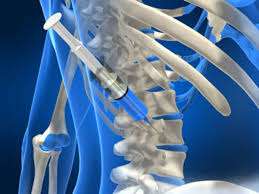
This syndrome encompasses a group of symptoms indicative of significant kidney damage resulting in proteinuria (excess protein loss via urine). Nephrotic syndrome often indicates underlying conditions requiring thorough evaluation.
- Common manifestations include swelling around eyes or legs due to fluid retention alongside fatigue & foamy urine caused by leaking protein .
- Diagnosing nephrotic syndrome entails comprehensive blood testing checking albumin levels along with urinalysis confirming abnormal protein presence .
- Managing nephrotic syndrome focuses primarily on reducing symptoms; diuretics can help alleviate swelling while corticosteroids may control inflammation if autoimmune factors come into play .
- Lifestyle measures significantly support treatment regimen: low-salt diets encourage less fluid overload while following recommended exercise plans enhances overall well-being .
Prompt medical attention aids successful management ensuring patients lead healthier lives navigating their daily activities despite challenges presented by nephrotic syndrome without compromising overall wellbeing !
URINARY TRACT INFECTIONS

A urinary tract infection (UTI) occurs when bacteria invade any part of the urinary system. This condition is prevalent among all ages but particularly affects women more than men due to anatomical differences.
- Painful urination, frequent urge to urinate, cloudy urine with possible blood traces are common symptoms.
- Diagnosis generally relies on urine cultures that identify specific bacterial strains responsible for infection .
- Antibiotic therapies constitute standard treatment , complemented by increased fluid intake which helps flush out pathogens .
- Prevention strategies include proper hygiene practices associated with sexual activity , staying hydrated ,and avoiding irritants like caffeinated beverages .
Early recognition ensures effective treatment while preventing potential complications such as recurrent infections .
POLYCYSTIC KIDNEY DISEASE

This genetic disorder leads to the development of numerous cysts within the kidneys. Polycystic kidney disease (PKD) can lead to chronic pain and eventual loss of kidney function if not addressed effectively.
- The primary symptom comprises persistent flank pain along with frequent urination and high blood pressure as cysts grow larger over time;
No definitive cure exists; however, management focuses on controlling symptoms through pain relief medications, managing hypertension, and possible interventions for end-stage renal disease.
If necessary, regular check-ups ensure early detection of complications.
Management is vital since timely actions contribute significantly toward preserving kidney health over the long term.
KIDNEY STONES

Kidney stones are hard mineral deposits that form inside the kidneys. They can cause severe pain when passing through the urinary tract and require timely intervention.
- Pain often presents suddenly in the back or side and may radiate down to the lower abdomen; it can be accompanied by nausea or hematuria (blood in urine).
- A physician will typically perform imaging studies like an ultrasound or CT scan to confirm diagnosis.
- Treatment varies based on size; smaller stones may be passed naturally with increased hydration while larger ones may require procedures like lithotripsy or ureteroscopy for removal.
- A preventive approach includes drinking plenty of fluids, dietary changes, and sometimes medications depending on stone composition.
Timely management helps in alleviating pain and preventing future occurrences of kidney stones.
CHRONIC KIDNEY DISEASE

This condition refers to the gradual loss of kidney function over time. Chronic kidney disease (CKD) often progresses silently and can lead to serious complications if not managed properly.
- The most common causes include diabetes, hypertension, and glomerulonephritis.
- Sufferers may display symptoms such as fatigue, swollen ankles, high blood pressure, or changes in urination patterns.
- A diagnosis usually involves routine blood tests measuring creatinine and glomerular filtration rate (GFR).
- Treatment options emphasis lifestyle changes, dietary modifications, and controlling underlying conditions such as hypertension.
- Regular follow-ups are essential for monitoring progression and adjusting treatment plans accordingly.
Effective management plays a significant role in slowing the progression of CKD and enhancing quality of life.
ACUTE KIDNEY INJURY

Acute kidney injury (AKI) is a rapid decline in kidney function over a period of hours to days. This condition can result from various factors and requires prompt attention.
- Symptoms may include decreased urine output, swelling due to fluid retention, and fatigue.
- The diagnosis typically involves blood tests to assess creatinine levels and urine tests.
- Treatment focuses on identifying and addressing the underlying cause, which could range from dehydration to medication effects.
- Management might include hospitalization for intravenous fluids or medications to protect the kidneys.
- Long-term care will likely involve monitoring kidney function regularly to prevent recurrence of AKI.
Early intervention is crucial for better outcomes in patients experiencing acute kidney injury.