
Dr Kamal Gurjar
About Me
Dr Kamal Gurjar
MBBS
General Physician
Biography
My Clinic
OPD Hours
| Monday | Morning | 10:00 AM | - | 02:00 PM |
| Evening | 06:00 PM | - | 09:00 PM | |
| Tuesday | Morning | 10:00 AM | - | 02:00 PM |
| Evening | 06:00 PM | - | 09:00 PM | |
| Wednesday | Morning | 10:00 AM | - | 02:00 PM |
| Evening | 06:00 PM | - | 09:00 PM | |
| Thursday | Morning | 10:00 AM | - | 02:00 PM |
| Evening | 06:00 PM | - | 09:00 PM | |
| Friday | Morning | 10:00 AM | - | 02:00 PM |
| Evening | 06:00 PM | - | 09:00 PM | |
| Saturday | Morning | 10:00 AM | - | 02:00 PM |
| Evening | 06:00 PM | - | 09:00 PM | |
| Sunday | Morning | 10:00 AM | - | 02:00 PM |
| Evening | 06:00 PM | - | 09:00 PM |
Treatments
Specialised care and treatments offered
VACCINATION REVIEW
A vaccination review is crucial for maintaining immunity against various infectious diseases throughout life stages—from childhood vaccines through adult boosters. Keeping vaccinations updated forms the cornerstone of preventive care by protecting both individual patients' health as well as community wellbeing through herd immunity principles.
- Your healthcare provider will assess your vaccination history alongside ongoing public health recommendations regarding necessary immunizations like flu shots or tetanus boosters based on personal situations;
Persistently engaging with physicians concerning vaccination reviews reinforces protective protocols enhancing safety during seasonal outbreaks prevalent across varied demographics leading towards healthier lifestyles enjoyed long-term!
SCREENING FOR COLORECTAL CANCER

Colorectal cancer screening is essential for detecting precancerous polyps or early-stage cancer which may not exhibit symptoms initially. These screenings significantly increase the chances of successful treatment due to earlier detection. Patients are encouraged to begin these assessments at age 45 or earlier based on family history or other risk factors.
- The most common methods include colonoscopy which allows comprehensive visual assessment along with tissue biopsies if necessary; scheduling these procedures periodically based on physician recommendations enhances effectiveness in identifying abnormalities early on.
- You may not experience any symptoms before colorectal cancer develops; hence why routine evaluation becomes vital once recommended age thresholds arrive.
Pioneering through early detection via screenings ensures more favorable treatment outcomes while emphasizing the importance of adhering to scheduled follow-up evaluations after initial tests have been completed successfully.
CHOLESTEROL CHECK

A cholesterol check measures the levels of different types of cholesterol in your blood to assess cardiovascular health. High cholesterol is a significant risk factor for heart disease but often does not present noticeable symptoms until serious complications arise. Regular monitoring can aid in managing this condition effectively.
- The main concern lies with low-density lipoprotein (LDL) cholesterol which can build up in arteries; thus understanding your situation is crucial for preventing heart-related ailments.
- Your physician will conduct a lipid panel that provides detailed insights into your cholesterol levels during routine appointments or assessments for other conditions.
- If levels are elevated, lifestyle changes—like improving dietary habits—and possibly medication are recommended to lower risks associated with high cholesterol levels.
Pursuing timely cholesterol checks empowers you to take charge of your cardiovascular health proactively while mitigating future complications linked to high cholesterol levels.
ANNUAL PHYSICAL EXAMS
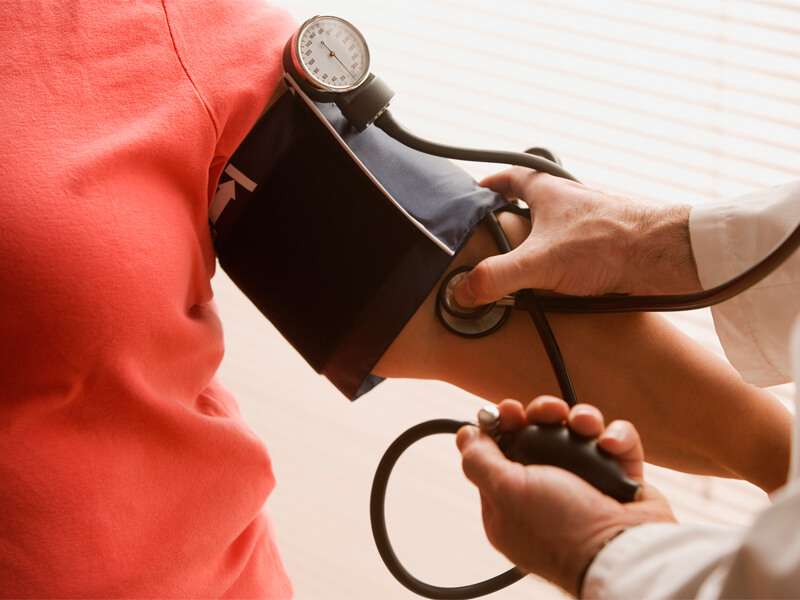
An annual physical exam is an important preventive measure that helps assess overall health and detect potential issues early. These comprehensive evaluations provide opportunities for vaccinations, screenings, and discussions about lifestyle habits that impact wellness.
- A healthcare professional performs assessments such as weight checks, blood pressure readings, and cholesterol tests to gauge general health status.
- This examination may also include a review of personal medical history alongside family health backgrounds to identify risk factors.
- The results guide recommendations for further testing or interventions needed to enhance health outcomes.
- Pursuing annual exams fosters better relationships with healthcare providers while ensuring accountability in managing one’s health effectively.
Committing to yearly check-ups promotes early detection of issues while encouraging proactive approaches to maintaining good health throughout life.
DIABETES SCREENING

Diabetes is a metabolic disorder characterized by high blood sugar levels over a prolonged period. Early screening is vital in identifying individuals at risk before complications arise. Engaging in regular check-ups enables proactive management strategies.
- Common symptoms include excessive thirst, frequent urination, fatigue, and blurred vision.
- A fasting blood glucose test or an HbA1c test is used for accurate detection.
- If diagnosed, management focuses on diet control, regular exercise, medication adherence, and continuous monitoring of blood sugar levels.
- Patients should expect tailored treatment plans aimed at achieving stable glucose levels and minimizing health risks associated with diabetes.
Routine screenings play a critical role in prevention and effective long-term management of diabetes.
HYPERTENSION MANAGEMENT

Hypertension, or high blood pressure, is a chronic condition that can lead to serious health problems if left unmanaged. Effective management is crucial for reducing the risk of heart disease and stroke. Regular monitoring and lifestyle adjustments can significantly impact blood pressure control.
- Symptoms of hypertension often go unnoticed; however, headaches, shortness of breath, and nosebleeds may occur in severe cases.
- The diagnosis typically involves a simple blood pressure measurement taken during routine check-ups.
- Treatment options include lifestyle changes, such as diet modifications and increased physical activity, along with medications if necessary.
- Regular follow-ups are essential to monitor progress and adjust treatment plans as needed.
- If managed well, individuals can expect improved health outcomes and reduced risks associated with hypertension.
Early detection and consistent management can help maintain healthy blood pressure levels and prevent complications.