
Dr Kamal Kishor L
About Me
Dr Kamal Kishor L
MD
Oncologist
10 Years Experience
Biography
My Clinic
OPD Hours
| Monday | Morning | 10:00 AM | - | 02:00 PM |
| Evening | 06:00 PM | - | 09:00 PM | |
| Tuesday | Morning | 10:00 AM | - | 02:00 PM |
| Evening | 06:00 PM | - | 09:00 PM | |
| Wednesday | Morning | 10:00 AM | - | 02:00 PM |
| Evening | 06:00 PM | - | 09:00 PM | |
| Thursday | Morning | 10:00 AM | - | 02:00 PM |
| Evening | 06:00 PM | - | 09:00 PM | |
| Friday | Morning | 10:00 AM | - | 02:00 PM |
| Evening | 06:00 PM | - | 09:00 PM | |
| Saturday | Morning | 10:00 AM | - | 02:00 PM |
| Evening | 06:00 PM | - | 09:00 PM | |
| Sunday | Morning | 10:00 AM | - | 02:00 PM |
| Evening | 06:00 PM | - | 09:00 PM |
Treatments
Specialised care and treatments offered
OVARIAN CANCER
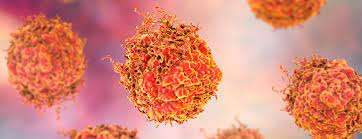
This type of cancer begins in the ovaries where reproductive functions take place; it tends not presenting distinct symptoms until reaching an advanced stage making screening critical!
- You may experience bloating accompanied by pelvic discomfort leading eventually toward irregular menstrual patterns indicating possible underlying concerns requiring immediate medical attention thereafter taken adequately seriously over time becomes paramount settling right away!
- Diagnosis typically involves a combination routine pelvic exams evaluated alongside imaging studies like ultrasounds guiding decisions reached ultimately whether laparoscopic exploration warranted further based upon physical discoveries permitting biopsies performed there separating benign from malignant findings respectively found post-surgery enabling accurate insights checked out consistently enabling tailored treatments suited accordingly across entire cases treated out here maxing impact positively everywhere engaged after initial evaluations occur sooner rather than later indeed! Treatment choices range vastly encompassing surgical interventions towards removing evident growths sourced underlying issues identified earlier ultimately maximizing chances returning normalcy wherever possible long-term keeping everyone grounded firmly onward battling challenges faced together empowering one another holding steady despite adversities risen above finally overcoming obstacles seen all around robustly enriched lives thus restored toward wholeness wellness regained beautifully rejuvenated reborn anew behind well-planned frameworks laid!
PANCREATIC CANCER
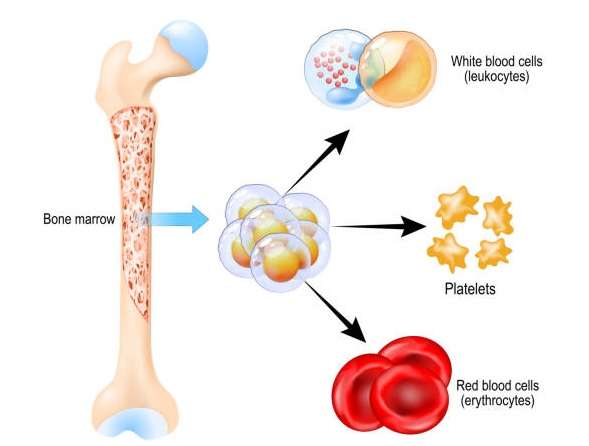
This form of cancer develops within the tissues of the pancreas and is notorious for being difficult to diagnose due its subtle initial symptoms. Understanding risk factors plays an essential role in prevention strategies where possible!
- Common signs can include jaundice (yellowing skin/eyes), weight loss without trying even coupled with severe abdominal/back pain which might signal underlying issues brewing ahead!
- Disease confirmation typically requires advanced imaging techniques like MRIs combined with endoscopic ultrasound allowing specialists access close-up visuals regarding suspected masses present causing concern amongst practitioners caring deeply about patient outcomes via complex diagnostics available today!
PROSTATE CANCER

Prostate cancer occurs when cells in the prostate gland become abnormal and grow uncontrollably. It's one of the most prevalent cancers affecting men globally but may progress slowly in some cases.
- You might notice symptoms such as difficulties with urination or blood in urine/stool; however, many men exhibit no symptoms until it's advanced.
- A diagnosis involves blood tests measuring prostate-specific antigen (PSA) levels alongside biopsies taken directly from suspect tissues within the prostate gland itself for further evaluation.
- Treatment plans may comprise active surveillance strategies for low-risk forms while considering surgery or radiation therapy for higher-risk situations alongside hormonal therapies aimed at slowing growth rates down if needed later on.
The approach will depend on multiple factors including age, how aggressive the cancer is detected to be during initial assessments; involving regular consultations aids understanding what best suits individual needs moving forward in self-care management efforts!
COLORECTAL CANCER
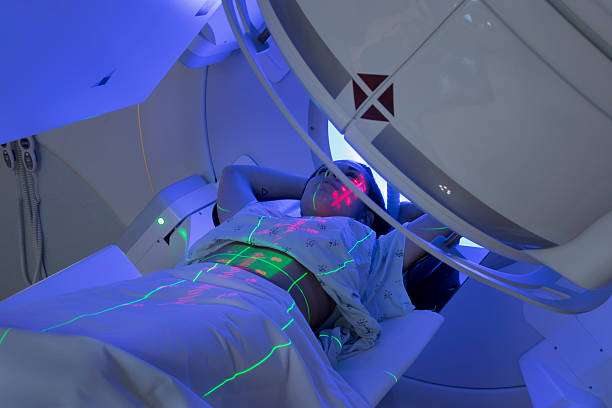
This form of cancer originates in the colon or rectum and is often preventable through screening. Regular check-ups play a vital role in catching precursors before they develop into full-blown cancer.
- The disease may cause symptoms such as changes in bowel habits, abdominal discomfort or bloating, and unexplained weight loss over time.
- Diagnosis generally involves colonoscopy procedures where polyps can be removed for analysis; imaging studies help assess spread if present.
- Treatment usually includes surgical resection of affected areas followed by chemotherapy to eradicate any remaining microscopic disease or metastatic growths.
- After treatment, ongoing surveillance is crucial to detect any recurrence early on which enhances chances for successful management should it arise again.
Prompt action leads to better prognoses ensuring patients receive necessary support throughout their journey towards recovery.
LUNG CANCER
Lung cancer is one of the most common types of cancer worldwide, primarily linked to smoking but also affecting non-smokers. The disease often goes undiagnosed until it reaches an advanced stage.
- Common symptoms include persistent cough, shortness of breath, chest pain, and coughing up blood.
- A diagnosis often requires imaging tests such as X-rays or CT scans along with a biopsy procedure for definitive identification of cancerous cells.
- Treatment varies based on staging; options might include surgical removal, chemotherapy agents aimed at shrinking tumors, targeted drug therapies, or immunotherapy to help the body fight off cancer.
- Palliative care can also be essential for managing symptoms and maintaining quality of life during treatment.
Timely intervention can significantly increase survival rates and improve overall health outcomes for those affected by lung cancer.
BREAST CANCER
Breast cancer is a type of cancer that develops from breast tissue. It can affect both men and women, although it is much more common in women. Early detection is key to improving treatment outcomes.
- Symptoms may include lumps in the breast or underarm, changes in breast shape or size, and unusual discharge from the nipple.
- Diagnosis typically involves breast imaging tests such as mammograms, followed by a biopsy to confirm the presence of cancer cells.
- Treatment options range from surgery to remove tumors, chemotherapy, radiation therapy, and hormone therapy depending on the cancer's stage and type.
- What you can expect includes potential side effects from treatment like fatigue and changes in appetite; ongoing follow-ups are essential for monitoring.
With early intervention and personalized treatment plans, many patients are able to effectively manage their condition.