
Dr Kamales Kumar Saha
About Me
Dr Kamales Kumar Saha
General Surgeons
Biography
My Clinic
OPD Hours
| Tuesday | Morning | 10:00 AM | - | 02:00 PM |
| Evening | 06:00 PM | - | 09:00 PM | |
| Wednesday | Morning | 10:00 AM | - | 02:00 PM |
| Evening | 06:00 PM | - | 09:00 PM | |
| Thursday | Morning | 10:00 AM | - | 02:00 PM |
| Evening | 06:00 PM | - | 09:00 PM | |
| Friday | Morning | 10:00 AM | - | 02:00 PM |
| Evening | 06:00 PM | - | 09:00 PM | |
| Saturday | Morning | 10:00 AM | - | 02:00 PM |
| Evening | 06:00 PM | - | 09:00 PM | |
| Sunday | Morning | 10:00 AM | - | 02:00 PM |
| Evening | 06:00 PM | - | 09:00 PM | |
| Thursday | Morning | 10:00 AM | - | 02:00 PM |
| Evening | 06:00 PM | - | 09:00 PM |
Treatments
Specialised care and treatments offered
VARICOSE VEIN SURGERY
This surgical treatment targets varicose veins—enlarged veins often appearing swollen and blue due to poor blood circulation. Varicose veins can lead to discomfort and complications if left untreated; thus early intervention becomes critical for prevention purposes among affected individuals regardless age demographic involved .
- Symptoms frequently include pain , heaviness sensation along legs especially after prolonged standing periods experienced daily basis along recurrent swelling bouts faced despite rest taken regularly.
- Diagnosis (usually confirmed medically) encompasses visual inspections reviewing patient histories alongside performing Doppler ultrasound evaluations revealing flow patterns distinguishing healthy vessels from dysfunctional ones identified specifically needing intervention where deemed appropriate regardless severity expressed from initial observations made beforehand .
- (Depending upon various factors ) options available encompass endovenous laser treatment (EVLT) contrasting against traditional stripping methods employed too achieving desired results relieving symptoms seen first-hand presented overtime !!
Engaging promptly facilitates greater chances leading satisfaction improvements enduring overall quality life aspects witnessed personally every single day long-term thereafter !
THYROID SURGERY

This type of surgery aims at addressing thyroid disorders such as goiter or thyroid cancer by partially or totally removing this crucial gland. It helps regulate metabolism and hormone balance post-surgery significantly improves quality of life when managed correctly under physician supervision following guidelines informed by individual needs specific presentations observed during evaluations
.- Symptoms can range from noticeable swelling around neck areas , difficulty swallowing ,or abnormal hormonal levels detected via blood tests .
- Patients generally undergo ultrasound testing alongside comprehensive assessments including biopsies regarding any concerning nodules reading results before proceeding towards a determined path.
- Surgical options vary between minimally invasive techniques compared against traditional approaches determined largely based upon evaluations conducted during assessment stage prior.
- Postoperative follow-up frequently includes monitoring hormone levels alongside conducting regular checks over time ensuring stability while adjusting medication doses accordingly taken if necessary .
Thyroid operations have high success rates overall leading improved outcomes long-term when engaged with appropriate regular medical oversight post-operative care provided diligently thereafter !
BOWEL RESECTION
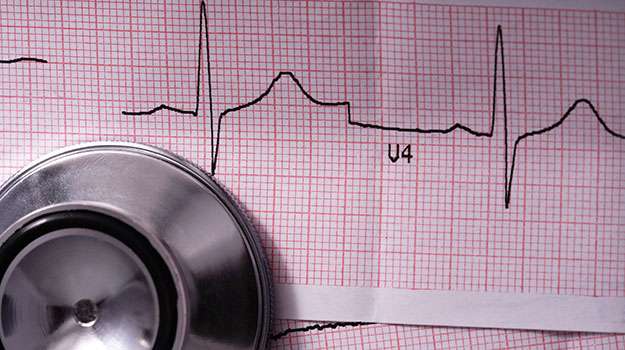
Bowel resection refers to the surgical removal of a segment of the intestine due to conditions such as cancer, Crohn's disease, or obstructions. The remaining sections may be reconnected through anastomosis; otherwise, colostomy may be necessary temporarily or permanently depending on circumstances.
- Mild to severe symptoms, such as abdominal pain, bloating, and changes in bowel habits must be carefully monitored prior to surgery.
- Pediatricians may recommend evaluation via endoscopy or colonoscopy if bowel issues persist in younger patients for accurate detection.
- Treatment generally requires hospitalization followed by surgical management using minimally invasive techniques wherever possible for quicker recovery times.
Diligent follow-up care ensures proper healing post-operation while addressing ongoing digestive health needs effectively after surgery completion.
APPENDECTOMY
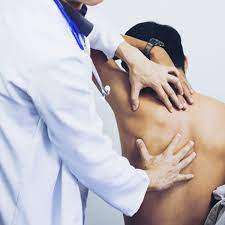
An appendectomy is one of the most common emergency surgeries performed when acute appendicitis is diagnosed. This involves removing the appendix to prevent potential rupture and further complications such as peritonitis.
- Typical symptoms include sudden abdominal pain starting near the belly button that moves to the lower right abdomen, often accompanied by fever and nausea.
- The diagnosis usually involves clinical evaluation supported by imaging studies like CT scans or ultrasounds.
- Surgical treatment is generally done laparoscopically unless there are complications necessitating an open approach.
- You can expect a relatively quick recovery period; many patients leave the hospital within 24 hours after surgery if there are no complications.
This procedure is vital for maintaining health post-appendicitis diagnosis and offers relief from distressing symptoms rapidly.
HERNIA REPAIR
A hernia occurs when an organ pushes through an opening in the muscle or tissue that holds it in place. Surgical intervention is often necessary for repairing a hernia to prevent complications such as incarceration or strangulation of tissues.
- The main symptom is a noticeable bulge in the affected area, accompanied by discomfort or pain.
- The diagnosis is typically made through physical examination and imaging techniques like ultrasound or MRI if needed.
- Surgical options include open repair or minimally invasive laparoscopic procedures based on individual cases and preferences.
- After surgery, most patients can resume their daily activities fairly quickly but should follow their surgeon's guidelines for recovery.
Surgical repair is effective and reduces future risks associated with untreated hernias.
CHOLECYSTECTOMY
Cholecystectomy is a surgical procedure to remove the gallbladder, often required due to gallstones or gallbladder inflammation. This operation can be performed laparoscopically or through open surgery, depending on the severity of the condition.
- Symptoms of gallbladder issues typically include severe abdominal pain, nausea, and vomiting.
- A thorough medical evaluation, including imaging tests like ultrasounds, helps in diagnosing the presence of gallstones.
- Treatment primarily involves the surgical removal of the gallbladder, which effectively alleviates symptoms.
- Post-surgery, patients can expect to experience some dietary changes but usually return to normal activities within a few weeks.
- It’s important to consult with a surgeon to discuss options for managing any underlying conditions associated with gallstones.
This procedure is commonly performed and generally safe with manageable recovery expectations.