
Dr Kamlesh B Tailor
About Me
Dr Kamlesh B Tailor
Anesthesiologist
Biography
My Clinic
OPD Hours
| Tuesday | Morning | 10:00 AM | - | 02:00 PM |
| Evening | 06:00 PM | - | 09:00 PM | |
| Wednesday | Morning | 10:00 AM | - | 02:00 PM |
| Evening | 06:00 PM | - | 09:00 PM | |
| Thursday | Morning | 10:00 AM | - | 02:00 PM |
| Evening | 06:00 PM | - | 09:00 PM | |
| Friday | Morning | 10:00 AM | - | 02:00 PM |
| Evening | 06:00 PM | - | 09:00 PM | |
| Saturday | Morning | 10:00 AM | - | 02:00 PM |
| Evening | 06:00 PM | - | 09:00 PM | |
| Sunday | Morning | 10:00 AM | - | 02:00 PM |
| Evening | 06:00 PM | - | 09:00 PM | |
| Thursday | Morning | 10:00 AM | - | 02:00 PM |
| Evening | 06:00 PM | - | 09:00 PM |
Treatments
Specialised care and treatments offered
ANESTHESIA FOR OUTPATIENT PROCEDURES
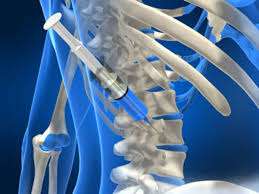
The use of anesthesia in outpatient procedures has become increasingly common. Understanding its application can alleviate concerns regarding safety and comfort during these less invasive treatments.
This approach often leads to shorter recovery times while maintaining efficacy in pain management.POSTOPERATIVE CARE

A focus on postoperative care plays a vital role in recovery following any surgical procedure involving anesthesia. This phase ensures that patients transition smoothly from the effects of anesthesia back to full consciousness and functionality.
- Symptoms monitored: After surgery, healthcare providers closely monitor vital signs and any adverse reactions related to anesthesia such as nausea or pain levels.
STRESS MANAGEMENT TECHNIQUES

Anxiety related to surgical procedures can be alleviated through various stress management techniques. These practices help patients prepare mentally for the procedure while promoting overall well-being.
- Common methods: Techniques such as deep breathing exercises, mindfulness meditation, and guided imagery are effective in reducing stress levels before surgery.
- Benefits: Not only do these practices encourage relaxation but they also promote better recovery post-anesthesia due to reduced anxiety symptoms.
MANAGEMENT OF ANESTHESIA-RELATED COMPLICATIONS

Anesthesia-related complications can occasionally occur but are generally rare thanks to advances in medicine. Understanding these potential issues can help mitigate anxiety surrounding surgeries requiring anesthesia.
- Types of complications: These may include allergic reactions, breathing difficulties, or cardiovascular events during or after anesthesia administration.
- Prevention strategies: Comprehensive preoperative evaluations and choosing the appropriate anesthetic technique based on patient history significantly reduce risks.
- Diagnosis and monitoring: Continuous patient monitoring allows immediate identification of complications if they arise during procedures.
With careful management strategies in place, most patients experience safe outcomes with minimal complications associated with anesthesia usage during medical interventions.
PREOPERATIVE ASSESSMENT

A preoperative assessment is vital for ensuring patient safety during surgery. It helps identify any potential risks related to anesthesia and allows for proper planning tailored to an individual’s health status.
- Importance: It ensures that all relevant medical history is reviewed before proceeding with anesthesia administration.
- Components: Key elements include evaluation of heart and lung function, medications review, and assessment of allergies.
- How it’s performed: During this assessment, patients undergo a physical examination along with necessary diagnostic tests to confirm their readiness for surgery.
- Patient involvement: Open communication about any concerns or previous experiences with anesthesia is crucial for safety.
The assessment ultimately lays the groundwork for a safe surgical experience by addressing possible complications proactively.
CHRONIC PAIN MANAGEMENT

Chronic pain can significantly impact an individual's quality of life, affecting daily activities and emotional well-being. It is essential to understand that this condition can stem from various sources including injury, disease, or psychological factors.
- Symptoms: Common signs include persistent pain lasting more than three months, fatigue, and mood changes.
- Causes: This type of pain may arise from conditions such as arthritis, nerve damage, or stress.
- Diagnosis: Evaluation typically involves a thorough medical history review and physical examination, often supplemented by imaging studies or lab tests.
- Treatment options: Management strategies encompass a combination of medications (e.g., analgesics), physical therapy, and psychological support.
- What to expect: Patients may need to engage in a multi-faceted treatment plan tailored to their specific needs for effective relief.
Overall, chronic pain management prioritizes improving the patient's quality of life while addressing the underlying issues contributing to their discomfort.