
Dr Kanan Shah
About Me
Dr Kanan Shah
Dermatologist
Biography
My Clinic
OPD Hours
Treatments
Specialised care and treatments offered
ROSACEA
Rosacea is a chronic inflammatory condition primarily affecting facial skin. It causes redness in the central part of the face along with visible blood vessels; flares may worsen due to various triggers like heat or spicy foods.
- Common symptoms include persistent facial redness; small red bumps resembling acne may develop as well;
- A dermatologist usually diagnoses rosacea through physical exam findings without needing specialized tests;
- Management often includes topical treatments like metronidazole applied directly onto affected areas along with lifestyle modifications aimed at minimizing triggers
Understanding rosacea enables patients to manage their symptoms effectively while maintaining confidence in social situations.
CONTACT DERMATITIS
Contact dermatitis results from an allergic reaction or irritant exposure causing inflammation of the skin. This condition is common among individuals exposed to environmental factors such as chemicals in personal care products or certain plants like poison ivy.
- The hallmark symptoms include redness, swelling, blistering lesions that can be itchy or painful; understanding these indicators is essential for timely intervention;
- A detailed review of recent exposures helps dermatologists diagnose contact dermatitis effectively;
- Treatments typically involve avoidance of identified triggers alongside topical steroids to alleviate inflammation during flare-ups;
SKIN INFECTIONS
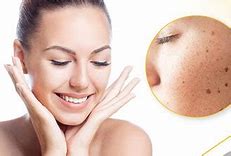
Skin infections can arise from various pathogens including bacteria, fungi, or viruses. Such infections manifest in different forms such as cellulitis or impetigo and require prompt diagnosis and treatment.
- Common symptoms include redness, swelling, warmth around the infected area; pain may also present alongside fever if systemic involvement occurs;
- A healthcare professional diagnoses infections based on clinical evaluation; cultures may be taken for precise identification of pathogens if necessary;
- Treatment generally involves antibiotics for bacterial infections or antifungal medications depending on the causative agent;
ACNE
Acne is one of the most common skin conditions affecting both teenagers and adults. It occurs when hair follicles become clogged with oil and dead skin cells, leading to pimples, cysts, or scars.
- The main causes include hormonal changes, excess oil production, bacteria growth on the skin, and clogged pores due to dead skin cells;
- A dermatologist will typically diagnose acne through visual inspection of the affected areas.
- Treatment options vary from topical retinoids and benzoyl peroxide applications to oral antibiotics for more severe cases; hormonal therapies might also be beneficial for females experiencing menstrual-related breakouts.
- Cleansing routines that avoid harsh scrubs are recommended for maintaining skin health while managing acne;
With appropriate treatment strategies in place, patients can see significant improvements over time with persistent care.
ECZEMA
Eczema, or atopic dermatitis, is a condition characterized by inflamed, itchy skin. It's particularly common in children but can occur at any age and often recurs throughout life.
- The initial signs include red, inflamed patches on the skin that are very itchy; scratching can lead to further irritation or infection.
- A thorough examination by a dermatologist helps diagnose eczema based on its appearance and patient history.
- Management includes moisturizing creams to prevent dryness and topical corticosteroids to reduce inflammation during flare-ups.
- Avoiding known triggers such as certain fabrics or allergens can help control outbreaks.
- In severe cases, oral medications or newer therapies like targeted biologics may be considered.
A proactive approach can lead to better control over this condition and improved skin health.
PSORIASIS
Psoriasis is a chronic autoimmune condition that leads to the rapid growth of skin cells, resulting in scaling on the skin's surface. It can present in various forms and often has a significant impact on quality of life.
- Symptoms often include red patches covered with thick, silvery scales, dry cracked skin that may bleed, itching, burning sensations, and thickened nails.
- Diagnosis typically involves a physical examination and sometimes a biopsy to confirm the type of psoriasis.
- Treatment options range from topical treatments such as corticosteroids to systemic medications like methotrexate or biologics that target specific parts of the immune system.
- Patients may also benefit from phototherapy, which uses UV light to reduce symptoms.
- Managing stress and lifestyle adjustments can significantly improve outcomes.
Understanding psoriasis is crucial for effective management and improving overall well-being.