
Dr Kanodias Skin
About Me
Dr Kanodias Skin
MD
Dermatologist
10 Years Experience
Biography
My Clinic
OPD Hours
| Monday | Morning | 10:00 AM | - | 02:00 PM |
| Evening | 06:00 PM | - | 09:00 PM | |
| Tuesday | Morning | 10:00 AM | - | 02:00 PM |
| Evening | 06:00 PM | - | 09:00 PM | |
| Wednesday | Morning | 10:00 AM | - | 02:00 PM |
| Evening | 06:00 PM | - | 09:00 PM | |
| Thursday | Morning | 10:00 AM | - | 02:00 PM |
| Evening | 06:00 PM | - | 09:00 PM | |
| Friday | Morning | 10:00 AM | - | 02:00 PM |
| Evening | 06:00 PM | - | 09:00 PM | |
| Saturday | Morning | 10:00 AM | - | 02:00 PM |
| Evening | 06:00 PM | - | 09:00 PM | |
| Sunday | Morning | 10:00 AM | - | 02:00 PM |
| Evening | 06:00 PM | - | 09:00 PM |
Treatments
Specialised care and treatments offered
ALOPECIA AREATA MANAGEMENT
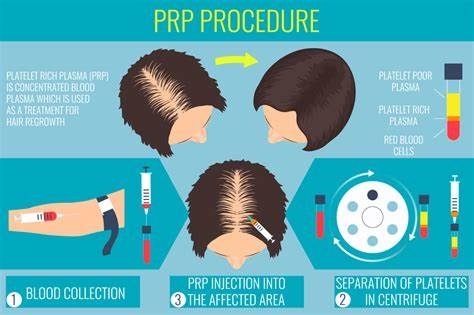
Alopecia areata causes sudden patchy hair loss due to autoimmune attack on hair follicles. This unpredictable condition affects both children and adults alike across various scalp regions or other body sites containing hair follicles.
- The hallmark presentation includes smooth bald patches without scarring that may coalesce over time impacting self-esteem widely among sufferers
- Diagnosis features visual inspection supported occasionally by scalp biopsy confirming lymphocytic infiltration near hair bulbs
- Treatment comprises corticosteroid injections locally applied into bald patches plus topical immunotherapy techniques aiming at stimulating regrowth If untreated spontaneous regrowth occurs variably though relapses are frequent necessitating ongoing monitoring
MELASMA PREVENTION & CARE
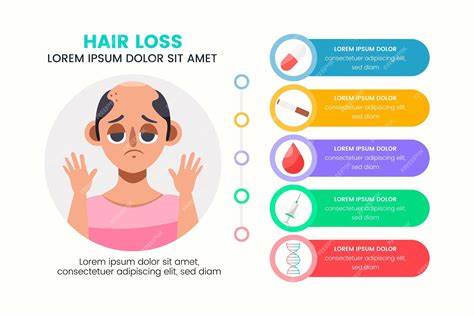
Melasma manifests as brownish patches most commonly seen on sun-exposed facial areas due to increased melanin production. Hormonal changes often contribute significantly to its development。
- This pigmentation disorder appears symmetrically on cheeks, forehead or upper lip with blotchy distinctions from normal skin tone。
- Diagnosis includes thorough clinical assessment alongside Wood's lamp examination to differentiate epidermal versus dermal involvement.
- Treatment prioritizes strict sun protection including broad-spectrum sunscreen application every day plus avoidance of direct sunlight.
- Topical agents such as hydroquinone derivatives inhibit melanin synthesis while chemical peels may assist fading resistant spots.
- Lifestyle adaptations involve managing hormonal influences cautiously especially during pregnancy or contraceptive use.
Although challenging to eradicate completely melasma's appearance can be significantly improved through consistent preventive measures coupled with appropriate therapies.
ROSACEA TREATMENT
Rosacea is a chronic inflammatory skin disorder typically presenting with facial redness and visible blood vessels. It may also cause papules or pustules resembling acne but requires different management.
- Main signs include persistent flushing, redness across cheeks/nose/forehead plus occasional burning sensations.
- A diagnosis is often clinical based on symptom history combined with ruling out other conditions like acne or lupus.
- Treatment involves topical medications (such as metronidazole or azelaic acid), oral antibiotics for flare control, as well as laser therapy for persistent redness or telangiectasia.
- Avoidance of triggers such as spicy foods, sun exposure, alcohol consumption, and extreme temperatures is vital for symptom control daily.
The disease course varies but early intervention promotes better outcomes while minimizing complications like thickening of nasal tissue (rhinophyma).
PSORIASIS SUPPORT
This immune-mediated condition causes rapid buildup of skin cells leading to thickened, scaly plaques. It often affects elbows, knees, scalp, and lower back areas.
- Symptoms include red patches covered by silvery scales accompanied by dryness and itching.
- Diagnosis is commonly clinical; biopsy may be performed in uncertain cases.
- Treatments aim to slow down cell turnover using topical agents like corticosteroids or vitamin D analogues along with phototherapy when needed.
- Lifestyle factors such as stress reduction, moisturizing regularly, and avoiding smoking play a critical role in symptom control.
While there is no cure for psoriasis yet, comprehensive care helps reduce flares and improves overall skin health over time.
ACNE VULGARIS CARE
Acne vulgaris is a common skin disorder involving the blockage and inflammation of hair follicles. It primarily affects adolescents but can persist into adulthood.
- The condition manifests as whiteheads, blackheads, pimples, or cysts mainly on the face, chest, and back.
- Diagnosis relies on visible signs during physical examination without needing extensive testing.
- Treatment options range from topical retinoids and antibiotics to oral medications based on severity.
- A consistent skincare regimen including gentle cleansing helps decrease oil buildup that worsens acne.
- Avoid squeezing lesions to prevent scarring and secondary infections.
Most patients experience improvement with proper treatment adherence combined with lifestyle modifications aimed at reducing oiliness and irritation.
ECZEMA MANAGEMENT
Eczema is a chronic skin condition characterized by inflammation and irritation. It usually presents as itchy, red, and dry patches of skin that can cause significant discomfort.
- Symptoms include intense itching, redness, dryness, and sometimes blistering or oozing in affected areas.
- Diagnosis typically involves a clinical examination and patient history to rule out allergies or irritants.
- Treatment focuses on controlling flare-ups using moisturizers, topical corticosteroids, and avoiding known triggers like harsh soaps or allergens.
- Lifestyle adjustments such as maintaining balanced skin hydration and wearing soft fabrics help manage symptoms effectively.
- Avoiding stress and keeping nails trimmed can reduce skin damage from scratching.
With careful management, individuals with eczema can minimize symptoms and improve their quality of life significantly.