
Dr Kapil Kumawat
About Me
Dr Kapil Kumawat
MD
Cardiologist
10 Years Experience
Biography
My Clinic
OPD Hours
| Monday | Morning | 10:00 AM | - | 02:00 PM |
| Evening | 06:00 PM | - | 09:00 PM | |
| Tuesday | Morning | 10:00 AM | - | 02:00 PM |
| Evening | 06:00 PM | - | 09:00 PM | |
| Wednesday | Morning | 10:00 AM | - | 02:00 PM |
| Evening | 06:00 PM | - | 09:00 PM | |
| Thursday | Morning | 10:00 AM | - | 02:00 PM |
| Evening | 06:00 PM | - | 09:00 PM | |
| Friday | Morning | 10:00 AM | - | 02:00 PM |
| Evening | 06:00 PM | - | 09:00 PM | |
| Saturday | Morning | 10:00 AM | - | 02:00 PM |
| Evening | 06:00 PM | - | 09:00 PM | |
| Sunday | Morning | 10:00 AM | - | 02:00 PM |
| Evening | 06:00 PM | - | 09:00 PM |
Treatments
Specialised care and treatments offered
PERIPHERAL ARTERY DISEASE (PAD)

This circulatory condition involves narrowing arteries that reduce blood flow primarily to limbs. It leads to discomfort during walking known as claudication but can signal broader vascular issues requiring attention.
CHOLESTEROL MANAGEMENT
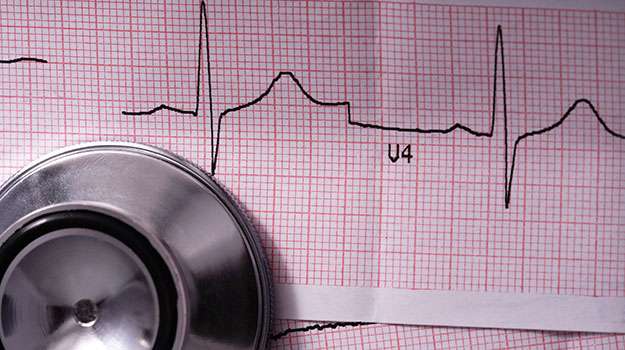
The balance of cholesterol types affects cardiovascular health significantly. Controlling elevated LDL cholesterol levels reduces plaque formation inside arteries thereby lowering cardiac risk factors substantially.
- Causal Aspects & Indicators:Add high LDL cholesterol often linked with poor diet habits combined with genetic predisposition; may not produce symptoms but contributes silently toward vessel damage over time.
ARRHYTHMIA EVALUATION & MANAGEMENT
An arrhythmia refers to an abnormal heartbeat rhythm which can range from harmless irregularities to life-threatening conditions. Proper evaluation is key for appropriate treatment selection.
- Spectrum & Symptoms: Irregular pulses may cause palpitations, dizziness, fainting spells or sometimes no symptoms at all depending on type and severity.
- Diagnostic Tools: Electrocardiogram (ECG), Holter monitoring over 24-48 hours or event recorders aid in detecting arrhythmias accurately.
- Treatment Plans: Medications like antiarrhythmics may be prescribed; more complex cases might require procedures such as catheter ablation or implantable devices like pacemakers/defibrillators.
- Follow-up Importance: Ongoing surveillance ensures effectiveness of therapies while minimizing risks associated with arrhythmias including stroke risk management if atrial fibrillation is involved.
An individualized approach helps maintain normal rhythm restoring comfort and reducing complications related to cardiac electrical disturbances.
HEART FAILURE
This chronic condition occurs when the heart cannot pump blood efficiently enough to meet the body's needs. It requires careful monitoring to manage symptoms and prevent progression.
- Causative Factors & Symptoms: Often results from prior heart attacks or hypertension; patients experience fatigue, swelling in legs, and breathlessness during activity or rest.
- Diagnosis: Echocardiograms, chest X-rays, and blood tests assist in assessing heart function.
- Treatment Strategies: Includes medications like diuretics and ACE inhibitors alongside lifestyle changes such as sodium restriction and fluid management.
- Lifestyle Considerations: Patients benefit from weight monitoring, limiting salt intake, quitting smoking, and regular physical activity as advised by their cardiologist.
A comprehensive care plan helps in improving symptoms while enhancing daily functioning for individuals with heart failure.
CORONARY ARTERY DISEASE (CAD)
Affecting millions globally, coronary artery disease results from the narrowing or blockage of coronary arteries due to plaque buildup. It restricts blood flow to the heart muscle leading to chest pain and other symptoms.
- Symptoms & Causes: Common signs include angina (chest discomfort), fatigue, and shortness of breath; caused mainly by atherosclerosis linked to lifestyle or hereditary factors.
- Diagnostic Tests: ECG, stress tests, angiography, and blood lipid profiles help identify CAD severity.
- Treatment Modalities: Management includes lifestyle modification, medications such as statins and antiplatelets, and in advanced cases, procedures like angioplasty or bypass surgery.
- Prognosis: Early intervention can improve quality of life and reduce risks of heart attack or sudden cardiac events.
Lifelong attention to cardiovascular health is essential when living with coronary artery disease.
HYPERTENSION MANAGEMENT
High blood pressure, or hypertension, is a common cardiovascular condition that increases the risk of heart disease and stroke if untreated. Managing it effectively can help prevent serious complications.
- Symptoms & Causes: Often called the 'silent killer,' hypertension typically has no noticeable symptoms but may be influenced by genetics, diet, stress, and lifestyle.
- Diagnosis: Blood pressure readings using a sphygmomanometer over multiple visits confirm the diagnosis.
- Treatment Options: Lifestyle changes like dietary adjustments, exercise, and medication including ACE inhibitors or beta-blockers can control blood pressure.
- Monitoring: Regular follow-ups are vital to ensure blood pressure remains within target levels and adjust treatment as needed.
Early detection and consistent management of hypertension are crucial to reducing heart strain and preventing long-term damage to vessels and organs.