
Dr Kapil Rathi
About Me
Dr Kapil Rathi
Internal Medicine
Biography
My Clinic
OPD Hours
| Tuesday | Morning | 10:00 AM | - | 02:00 PM |
| Evening | 06:00 PM | - | 09:00 PM | |
| Wednesday | Morning | 10:00 AM | - | 02:00 PM |
| Evening | 06:00 PM | - | 09:00 PM | |
| Thursday | Morning | 10:00 AM | - | 02:00 PM |
| Evening | 06:00 PM | - | 09:00 PM | |
| Friday | Morning | 10:00 AM | - | 02:00 PM |
| Evening | 06:00 PM | - | 09:00 PM | |
| Saturday | Morning | 10:00 AM | - | 02:00 PM |
| Evening | 06:00 PM | - | 09:00 PM | |
| Sunday | Morning | 10:00 AM | - | 02:00 PM |
| Evening | 06:00 PM | - | 09:00 PM | |
| Thursday | Morning | 10:00 AM | - | 02:00 PM |
| Evening | 06:00 PM | - | 09:00 PM |
Treatments
Specialised care and treatments offered
GASTROESOPHAGEAL REFLUX DISEASE (GERD)
This digestive disorder occurs when stomach acid frequently flows back into the esophagus causing irritation. If left untreated it could lead to more severe complications affecting overall gastrointestinal health over time.
- Symptoms primarily consist of heartburn sensations occurring post meals along with regurgitation where food re-enters mouth leading discomforts experienced.
- Diagnosis usually requires endoscopic procedures allowing visibility inside esophagus capturing inflammation present indicative towards GERD conditions.
- Key components within treating involve dietary adjustments focusing on smaller meal portions avoiding fatty foods triggering reflux episodes effectively maintaining symptomatic relief.
- Additionally antacids commonly serve provide immediate relief countering acidic contents backflow providing soothing sensation relieving discomfort quickly within patients experiencing flare-ups regularly.
Long-term successful management requires adherence alongside awareness about individual food triggers enabling people lead satisfying lives minimizing disruptions caused through acid reflux conditions they endure continuously.
CHRONIC FATIGUE SYNDROME
This complex disorder presents with extreme fatigue that cannot be explained by any underlying medical condition. Individuals experience lengthy tiredness that interferes with daily activities significantly without an obvious cause.
- Main symptoms include severe fatigue post-exertion lasting more than 24 hours along with muscle pain or cognitive difficulties such as memory loss and troubled concentration.
- A healthcare provider will carry out a thorough examination while ruling out other possible conditions through various tests before confirming CFS diagnosis based on criteria set forth by medical guidelines .
Ultimately management strategies aim towards facilitating functional improvements enabling individuals suffering from chronic fatigue syndrome return towards fulfilling lives again.
ASTHMA MANAGEMENT
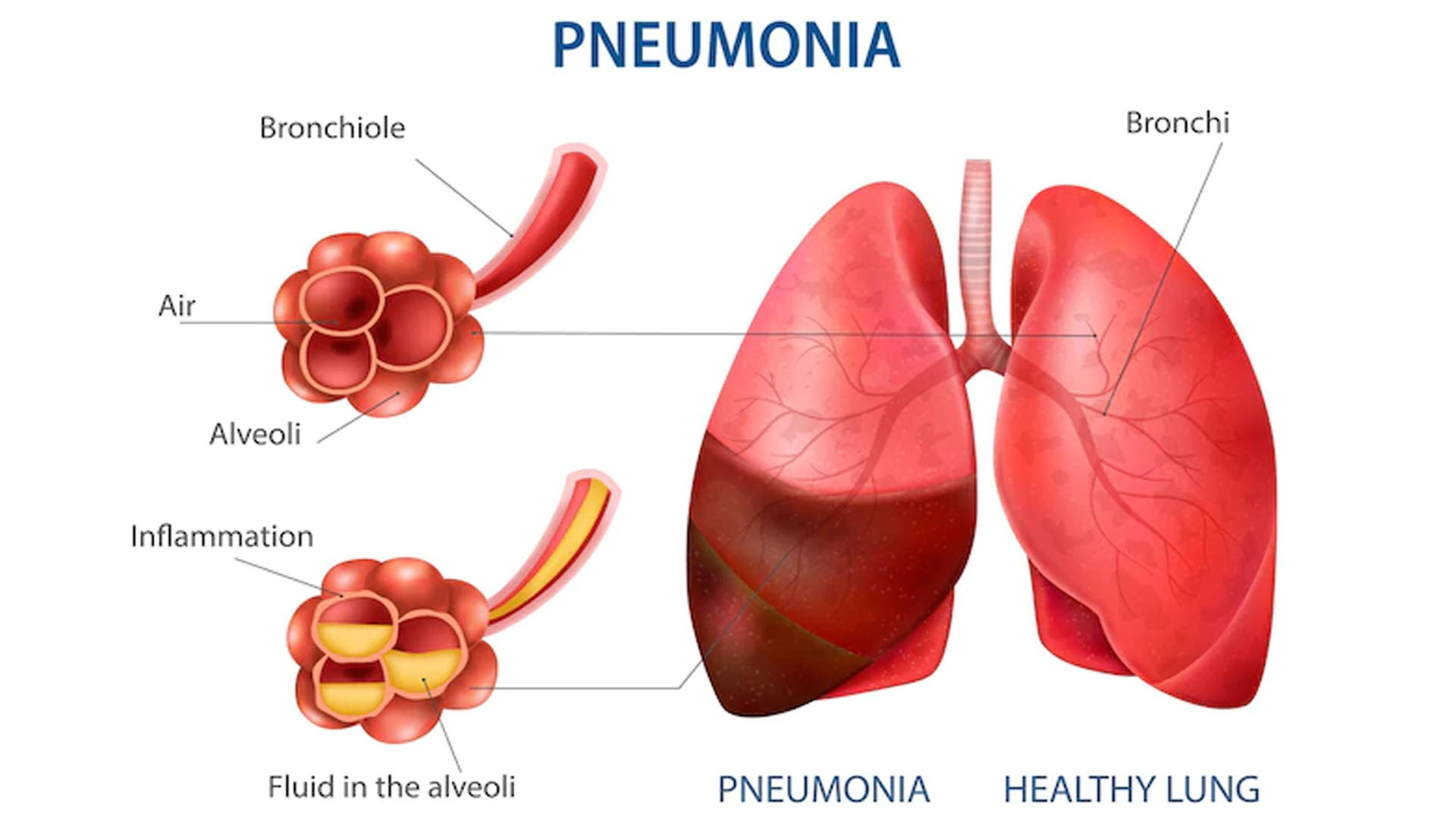
A chronic respiratory condition affecting the airways leads to difficulty breathing due to inflammation. Although asthma varies from person to person, effective management strategies are available for all types of asthma sufferers.
- Common symptoms include wheezing, coughing especially at night or during exercise, chest tightness, and shortness of breath.
- A diagnosis typically involves lung function tests alongside patient history reviews for symptom assessment.
- A comprehensive treatment plan includes avoiding triggers like allergens or pollution along with medications such as inhalers or anti-inflammatory tablets when necessary.
- Pursing pulmonary rehabilitation or breathing exercises aids lung function improvement significantly over time.
An understanding of your personal asthma triggers allows you better control over your symptoms for improved daily living quality.
HYPERLIPIDEMIA
This condition involves elevated levels of lipids (fats) in the bloodstream, which increases the risk of heart disease. It often occurs due to poor diet, lack of exercise, or genetic factors.
- You might not notice symptoms directly; however, it increases risks for heart attack or stroke over time.
- Diagnosis typically involves a lipid panel blood test that measures cholesterol types: LDL (bad), HDL (good), and triglycerides.
- Lifestyle changes are pivotal; reducing saturated fats and trans fats in your diet can help lower cholesterol levels significantly.
- Increased physical activity also enhances lipid metabolism—aim for at least 150 minutes of moderate exercise weekly.
- If necessary, medications like statins may be prescribed to further manage lipid levels effectively.
Your approach toward managing hyperlipidemia plays an influential role in maintaining cardiovascular health long-term.
TYPE 2 DIABETES
This chronic condition affects how your body metabolizes sugar (glucose) and can lead to serious health issues if not managed properly. Type 2 diabetes is often linked to obesity and a sedentary lifestyle.
- Symptoms can include increased thirst, frequent urination, extreme fatigue, and blurred vision.
- A diagnosis is made through blood tests measuring glucose levels after fasting or during random sampling.
- Lifestyle modifications are key; adopting a balanced diet rich in whole grains and vegetables is recommended.
- Regular physical activity helps improve insulin sensitivity and control weight.
- Medication may be prescribed if lifestyle changes alone are insufficient for managing blood sugar levels.
Effective management can prevent complications over time, allowing individuals to lead active lives without significant restrictions.
HYPERTENSION
Hypertension, often known as high blood pressure, is a common condition that can lead to serious health issues if left untreated. It occurs when the force of blood against the artery walls is consistently too high, putting strain on the heart and arteries.
- Common symptoms may include headaches, shortness of breath, and nosebleeds.
- Diagnosis typically involves regular blood pressure monitoring and may include additional tests to determine underlying causes.
- Treatment options range from lifestyle changes such as diet and exercise to medication for more severe cases.
- Managing stress is crucial; techniques such as meditation and yoga can be beneficial.
- Regular check-ups are essential to monitor your condition effectively.
With proper management, many individuals can maintain normal blood pressure levels and reduce their risk of complications.