
Dr Kapileshwer V
About Me
Dr Kapileshwer V
MD
Internal Medicine
10 Years Experience
Biography
My Clinic
OPD Hours
| Monday | Morning | 10:00 AM | - | 02:00 PM |
| Evening | 06:00 PM | - | 09:00 PM | |
| Tuesday | Morning | 10:00 AM | - | 02:00 PM |
| Evening | 06:00 PM | - | 09:00 PM | |
| Wednesday | Morning | 10:00 AM | - | 02:00 PM |
| Evening | 06:00 PM | - | 09:00 PM | |
| Thursday | Morning | 10:00 AM | - | 02:00 PM |
| Evening | 06:00 PM | - | 09:00 PM | |
| Friday | Morning | 10:00 AM | - | 02:00 PM |
| Evening | 06:00 PM | - | 09:00 PM | |
| Saturday | Morning | 10:00 AM | - | 02:00 PM |
| Evening | 06:00 PM | - | 09:00 PM | |
| Sunday | Morning | 10:00 AM | - | 02:00 PM |
| Evening | 06:00 PM | - | 09:00 PM |
Treatments
Specialised care and treatments offered
HYPERLIPIDEMIA
An elevation in blood lipid levels poses significant risks for cardiovascular diseases worldwide. Addressing hyperlipidemia entails both preventive efforts and medical interventions tailored to individual risk profiles.
- The condition arises from genetic predisposition combined with dietary habits high in saturated fats;
- No overt signs appear initially making routine screening critical particularly in adults over 40 years;
- Lipid panels measuring cholesterol fractions enable accurate assessment guiding therapy;
- Lifestyle interventions involving diet modification & exercise form first-line management reinforced by statins where indicated;
Diligent treatment reduces events like heart attacks significantly ensuring prolonged survival & better life quality among affected individuals.
GASTROESOPHAGEAL REFLUX DISEASE (GERD)
This digestive disorder occurs when stomach acid frequently flows back into the esophagus causing discomfort. Managing GERD focuses on symptom relief and preventing complications such as esophagitis.
- The root cause often involves weakening of the lower esophageal sphincter muscle allowing acid reflux;
- Sufferers typically report symptoms like heartburn after meals or while lying down;
- The diagnosis is primarily clinical but may require upper endoscopy if alarm features appear;
- Treatment consists of lifestyle measures such as weight management plus medications including proton pump inhibitors;
- Lifestyle changes plus medication usually lead to effective symptom control; surgical options exist for refractory cases;
IRON DEFICIENCY ANEMIA
Anemia caused by insufficient iron impairs oxygen delivery throughout the body leading to fatigue and decreased physical performance. It is frequently encountered in various age groups requiring careful evaluation.
- Main causes include: Chronic blood loss (e.g., gastrointestinal bleeding), poor dietary intake or malabsorption issues affecting iron levels in the body;
- Pertinent symptoms: Weakness, pallor especially noticeable in mucous membranes, dizziness on exertion;
- Labs aid diagnosis: Blood tests showing low hemoglobin levels along with decreased serum ferritin indicate iron deficiency anemia;
- Treatment approach involves: Oral iron supplementation combined with identifying underlying causes; dietary counseling promotes adequate iron intake;
Treated promptly, this condition improves energy levels significantly reducing impact on daily activities for patients across all ages.
CHRONIC OBSTRUCTIVE PULMONARY DISEASE (COPD)
A progressive lung disorder characterized by airflow limitation which makes breathing difficult over time. It primarily affects middle-aged and older adults with a history of smoking or pollution exposure.
- Epidemiology and causes: Long-term inhalation of irritants like tobacco smoke is the leading cause behind COPD development.
- Symptoms to watch for: Persistent cough with sputum production, shortness of breath during activities, and frequent respiratory infections are common indicators.
- Confirming diagnosis: Lung function tests including spirometry assess airway obstruction severity accurately.
- Treatment modalities: Smoking cessation remains paramount; bronchodilators help relieve symptoms; pulmonary rehabilitation improves quality of life;
If managed effectively through early intervention and compliance with prescribed therapies, patients can maintain functional capacity longer despite disease progression.
TYPE 2 DIABETES MELLITUS
This chronic metabolic disorder results from the body's ineffective use of insulin, leading to elevated blood sugar levels. It requires comprehensive care to prevent serious health issues.
- Causative factors: Obesity, sedentary lifestyle, family history, and advancing age increase the risk of developing type 2 diabetes.
- Symptom recognition: Increased thirst, frequent urination, fatigue, and slow healing wounds often prompt further investigation.
- Diagnostic tests: Blood glucose levels measured via fasting plasma glucose or HbA1c provide confirmation of diagnosis.
- Management strategies: Includes dietary adjustments, physical activity promotion, oral hypoglycemic agents, and sometimes insulin therapy for optimal glycemic control.
A well-structured treatment approach greatly reduces the likelihood of nerve damage, kidney disease, or cardiovascular complications associated with this condition.
HYPERTENSION MANAGEMENT
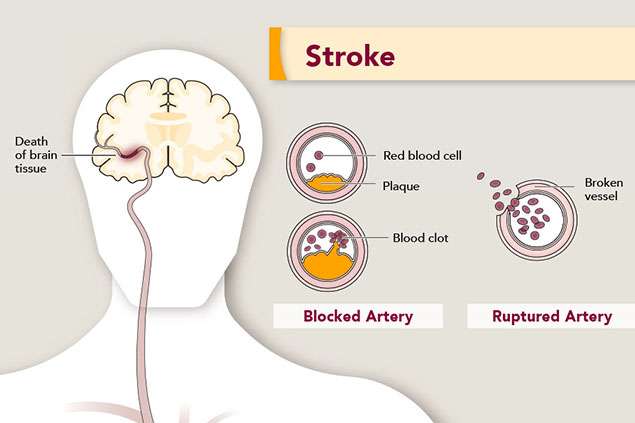
High blood pressure, or hypertension, is a common condition that significantly increases the risk of heart disease and stroke if left unchecked. Understanding and controlling it are vital for long-term health.
- Symptoms and causes: Often called the "silent killer," hypertension may show no symptoms but can be influenced by genetics, diet, stress, and lifestyle factors.
- Diagnosis: Regular blood pressure monitoring using sphygmomanometers during clinical visits helps confirm persistent elevation above normal levels.
- Treatment options: Lifestyle modifications like reducing salt intake, exercising regularly, and medications such as ACE inhibitors or diuretics help manage blood pressure effectively.
- Monitoring: Ongoing check-ups are essential to adjust therapy and prevent complications like kidney damage or heart failure.
Early identification and adherence to treatment plans offer excellent prospects for maintaining a healthy blood pressure and avoiding serious complications.