
Dr Kapoor Pankaj
About Me
Dr Kapoor Pankaj
MS
Orthopaedic Surgeons
10 Years Experience
Biography
My Clinic
OPD Hours
| Monday | Morning | 10:00 AM | - | 02:00 PM |
| Evening | 06:00 PM | - | 09:00 PM | |
| Tuesday | Morning | 10:00 AM | - | 02:00 PM |
| Evening | 06:00 PM | - | 09:00 PM | |
| Wednesday | Morning | 10:00 AM | - | 02:00 PM |
| Evening | 06:00 PM | - | 09:00 PM | |
| Thursday | Morning | 10:00 AM | - | 02:00 PM |
| Evening | 06:00 PM | - | 09:00 PM | |
| Friday | Morning | 10:00 AM | - | 02:00 PM |
| Evening | 06:00 PM | - | 09:00 PM | |
| Saturday | Morning | 10:00 AM | - | 02:00 PM |
| Evening | 06:00 PM | - | 09:00 PM | |
| Sunday | Morning | 10:00 AM | - | 02:00 PM |
| Evening | 06:00 PM | - | 09:00 PM |
Treatments
Specialised care and treatments offered
TENNIS ELBOW
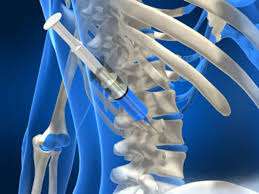
This overuse injury affects the outer part of elbow resulting in pain due to inflammation of tendons connecting forearm muscles. It’s crucial for active individuals to understand this condition well as it impacts everyday tasks significantly!
- Main symptoms: pain around outer elbow radiating down forearm upon gripping actions and lifting movements observed commonly among players/outdoor workers alike;
- Diagnosis includes physical exam along with reviewing activity history before imaging tests possibly help assess tendon damage level too;
- Management often consists of ice application/rest/anti-inflammatory medication alongside supportive braces/splints aimed at alleviating pressure off affected tendons;
- Practical rehabilitative exercises designed enhance flexibility strength crucial during recovery ensuring individuals return back their preferred quality life engaged once again!;
Addressing tennis elbow swiftly allows returning back favorite hobbies quicker thus minimizing impact lifestyle overall!
MENISCUS TEAR
The meniscus acts as a cushion between your thigh bone and shin bone in your knee. Tears that occur here can result from sudden twists or degenerative processes due to age. Treatment depends on tear complexity but must be handled attentively given its implications on knee health.
- Pain around the knee joint along with swelling are typical symptoms.
- A detailed medical history followed by an MRI scan helps ascertain if a meniscal tear exists.
- Treatment may involve conservative methods like rest and physiotherapy or surgical intervention if required depending on severity of symptoms;
- Surgery usually aims at repairing or removing damaged tissue while focusing on restoring knee stability for full function post-recovery period where rehabilitation plays a key role too!
Taking swift action regarding any meniscal concerns ensures optimal mobility remains intact!
CARPAL TUNNEL SYNDROME

This condition arises when pressure builds up on the median nerve at the wrist. It often results from repetitive hand movements or conditions like arthritis. Recognizing symptoms early can lead to better outcomes.
- The main symptoms include tingling sensations, numbness in fingers, and weakness when gripping objects.
- A healthcare provider typically conducts nerve conduction studies along with a physical examination for diagnosis.
- Treatment approaches vary from wrist splinting to corticosteroid injections; severe cases might require surgical release of the carpal tunnel ligament.
- An essential part of recovery involves avoiding exacerbating activities during rehabilitation stages after treatment.
Catching carpal tunnel syndrome early can significantly improve long-term wrist function!
ROTATOR CUFF TEAR

The rotator cuff consists of muscles and tendons surrounding the shoulder joint. Tears in this area can lead to significant pain and restrict motion. Identifying these tears early is important for effective treatment.
- Pain during overhead activities is a primary symptom, often accompanied by weakness in the shoulder.
- A comprehensive physical examination combined with imaging tests such as ultrasounds assists in diagnosing a tear accurately.
- Treatment options may include rest, anti-inflammatory medications, physical therapy, or surgery depending on the extent of the tear.
- Post-treatment rehabilitation focuses on restoring range of motion and strengthening the shoulder for daily tasks.
Understanding rotator cuff tears enables patients to seek appropriate care promptly.
ACL INJURY

Anterior Cruciate Ligament (ACL) injuries are prevalent among athletes, particularly those who engage in sports that require sudden stops or changes in direction. This injury can significantly disrupt daily activities and athletic performance.
- Common symptoms include a popping sound during the injury, swelling, and difficulty bearing weight on the affected leg.
- A thorough examination along with MRI scans helps confirm the injury type and severity.
- Treatment methods range from conservative management with physical therapy to surgical reconstruction for severe tears.
- Rehabilitation post-surgery is vital for regaining strength and function in the knee joint.
Timely intervention greatly enhances recovery prospects for ACL injuries.
FRACTURE MANAGEMENT

Fractures are common injuries that occur when a bone breaks or cracks. They can result from trauma, falls, or accidents and vary in severity. Understanding how to manage fractures is essential for recovery.
- Symptoms may include severe pain, swelling, bruising, and inability to use the affected limb.
- Diagnosis is made through physical examinations and imaging techniques like X-rays.
- Treatment options typically include immobilization with casts or splints, and in some cases, surgery may be necessary to realign bones.
- Recovery involves rest, physical therapy, and gradual return to activities.
Proper fracture management is crucial to ensure optimal healing and prevent complications.