
Dr Karishma Balani
About Me
Dr Karishma Balani
Dermatologist
Biography
My Clinic
OPD Hours
| Tuesday | Morning | 10:00 AM | - | 02:00 PM |
| Evening | 06:00 PM | - | 09:00 PM | |
| Wednesday | Morning | 10:00 AM | - | 02:00 PM |
| Evening | 06:00 PM | - | 09:00 PM | |
| Thursday | Morning | 10:00 AM | - | 02:00 PM |
| Evening | 06:00 PM | - | 09:00 PM | |
| Friday | Morning | 10:00 AM | - | 02:00 PM |
| Evening | 06:00 PM | - | 09:00 PM | |
| Saturday | Morning | 10:00 AM | - | 02:00 PM |
| Evening | 06:00 PM | - | 09:00 PM | |
| Sunday | Morning | 10:00 AM | - | 02:00 PM |
| Evening | 06:00 PM | - | 09:00 PM | |
| Thursday | Morning | 10:00 AM | - | 02:00 PM |
| Evening | 06:00 PM | - | 09:00 PM |
Treatments
Specialised care and treatments offered
SKIN ALLERGIES
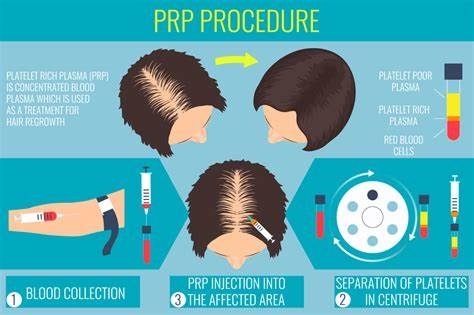
Skin allergies occur when one's immune system reacts adversely after contact with specific substances (allergens). These reactions often result in rashes causing discomfort for affected individuals regardless of age!
- Common Symptoms : Signs might encompass localized irritation presenting as itchiness /blisters upon direct contact plus redness/ swelling around involved sites post-exposure !
- Potential Causes : Common culprits contributing include cosmetics , certain fabrics & even environmental factors like pollen exposure etc.!
- Expectations vary depending upon individual sensitivities - ongoing education plays a pivotal role ensuring informed decisions amidst symptom flare ups!
HYPERPIGMENTATION
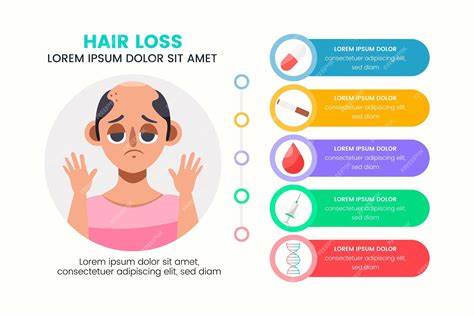
Hyperpigmentation refers to darkened areas on the skin due to excess melanin production. This condition commonly arises from various factors including sun exposure or hormonal changes during pregnancy (melasma).
- Symptoms : Affected areas appear darker than surrounding skin; these patches might develop gradually over months or years depending on exposure levels.
- Causes : Sun damage remains one of the leading causes while acne scarring also contributes alongside certain medications that might induce pigmentation changes post-treatment!
- Diagnosis : Dermatologists often diagnose hyperpigmentation visually by examining affected regions alongside medical history reviews regarding previous traumas affecting pigmentation outcomes!
- Management Strategies : Treatments vary widely from topical agents containing hydroquinone working alongside chemical peels aimed at enhancing cellular turnover rates overall! For stubborn cases laser therapy could prove beneficial too!
A consistent skincare regime incorporating sun protection reduces light-induced flare-ups significantly while patience proves essential throughout any treatment journey!
ROSACEA
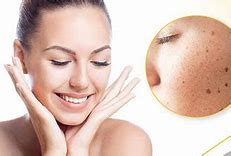
Rosacea is a chronic inflammatory condition that primarily affects facial skin. It often presents with flushed cheeks and visible blood vessels which can lead to discomfort for those affected.
- Symptoms: Symptoms may include persistent redness on the face, small red bumps that resemble acne, burning sensations and eye irritations in some cases.
- Causes: The specific cause remains unclear but it’s believed that a combination of genetic factors and environmental triggers contribute significantly?
- Diagnosis : Diagnosis is usually made through clinical observation by examining the characteristic signs during an appointment.
- Treatment options : Available management strategies might involve lifestyle modifications along with topical medications such as metronidazole or azelaic acid. In moderate-to-severe cases oral antibiotics may also be prescribed.
Regular follow-ups help monitor progress while educating patients about potential flare triggers empowers them towards better control over their condition.
ACNE
Acne is one of the most common skin conditions affecting individuals worldwide. It occurs when hair follicles become clogged with oil and dead skin cells, leading to pimples or cysts.
- Symptoms: Breakouts can manifest as blackheads, whiteheads, or larger cystic lesions; inflammatory acne often causes redness and swelling.
- Causes: Hormonal changes during puberty or menstruation are frequent contributors; however, other factors such as diet and stress may also play a role.
- Diagnosis: Typically diagnosed through visual inspection of the skin; sometimes hormonal assessments are conducted if needed.
- Treatment/management options: These may include topical retinoids or benzoyl peroxide as well as oral medications like antibiotics or hormonal treatments in more severe cases.
A successful approach usually combines skincare routines with professional guidance tailored to individual needs for optimal results.
PSORIASIS
Psoriasis is a chronic autoimmune skin disorder that leads to the rapid growth of skin cells. This results in thick, red patches covered with white scales that can be itchy or painful.
- Symptoms: Typical manifestations include red patches on the skin, silvery scales, and dry cracked skin that may bleed.
- Causes: The exact cause is unknown but involves immune system dysfunction combined with genetic factors.
- Diagnosis: A physical examination often suffices for diagnosis; sometimes a biopsy is required for confirmation.
- Treatment/management: Options include topical treatments like corticosteroids, phototherapy, and systemic medications for severe cases.
- Expectations: While there’s no cure, many patients find effective ways to manage their symptoms with ongoing treatment.
Education about psoriasis can empower patients to better handle their condition through lifestyle adjustments and prescribed therapies.
ECZEMA
Eczema, or atopic dermatitis, is a chronic skin condition characterized by inflammation and irritation. It can lead to uncomfortable symptoms and often affects children but can persist into adulthood.
- Symptoms: Common signs include dry, itchy patches of skin, redness, and swelling.
- Causes: Factors like allergies, irritants, and genetic predisposition may contribute to eczema flare-ups.
- Diagnosis: A dermatologist will evaluate the skin based on appearance and medical history; additional allergy tests may be conducted if necessary.
- Treatment options: Management typically includes moisturizers, topical steroids, and antihistamines to relieve itching.
- What to expect: With proper care, many experience significant improvement in their symptoms and quality of life.
Understanding the triggers and maintaining a consistent treatment regimen are key to managing this condition effectively.