
Dr Kaushal Pandey
About Me
Dr Kaushal Pandey
General Physician
Biography
My Clinic
OPD Hours
| Tuesday | Morning | 10:00 AM | - | 02:00 PM |
| Evening | 06:00 PM | - | 09:00 PM | |
| Wednesday | Morning | 10:00 AM | - | 02:00 PM |
| Evening | 06:00 PM | - | 09:00 PM | |
| Thursday | Morning | 10:00 AM | - | 02:00 PM |
| Evening | 06:00 PM | - | 09:00 PM | |
| Friday | Morning | 10:00 AM | - | 02:00 PM |
| Evening | 06:00 PM | - | 09:00 PM | |
| Saturday | Morning | 10:00 AM | - | 02:00 PM |
| Evening | 06:00 PM | - | 09:00 PM | |
| Sunday | Morning | 10:00 AM | - | 02:00 PM |
| Evening | 06:00 PM | - | 09:00 PM | |
| Thursday | Morning | 10:00 AM | - | 02:00 PM |
| Evening | 06:00 PM | - | 09:00 PM |
Treatments
Specialised care and treatments offered
GASTROESOPHAGEAL REFLUX DISEASE (GERD) MANAGEMENT
This chronic digestive disease occurs when stomach acid flows back into the esophagus leading to irritation. Effective management strategies are essential to alleviate discomfort associated with GERD symptoms in daily life activities for patients experiencing this condition regularly
.- (
- Symptoms: Heartburn regurgitation swallowing difficulties chest pain chronic cough hoarseness all indicating possible diagnosis might be present .
- < STRONG -Causes: Obesity pregnancy smoking alcohol consumption certain foods can exacerbate reflux symptoms signaling necessity intervention response . < STRONG -Diagnosis: > Healthcare providers conduct thorough medical history discussions alongside endoscopy x-rays testing confirm GERD presence determining extent severity involved .Lifestyle alterations together pharmacologic solutions either prescribing PPI-type medication H2 blockers address acidity effectively accompanying nutritional guidance provided supports managing health outcomes satisfactorily
THYROID DISORDERS MANAGEMENT

A well-functioning thyroid is crucial for metabolic processes within the body. Disorders such as hypothyroidism or hyperthyroidism require comprehensive evaluation and treatment strategies based on individual needs.
- Symptoms: Signs could demonstrate fatigue weight fluctuation temperature sensitivity or mood instability associated with these disorders.
- -Causes: The imbalance frequently arises from autoimmune conditions iodine deficiencies or surgical removal which affects hormone production.
- -Diagnosis: An assessment through blood tests measuring Thyroid Stimulating Hormone (TSH) alongside T4/T3 hormones establishes diagnosis accurately determining required interventions.
- -Treatment Options: If hypothyroid medication therapy generally entails levothyroxine while hyperthyroid issues might require antithyroid drugs radioiodine therapy potentially surgery depending on severity cases encountered at hand
CHOLESTEROL MANAGEMENT

Elevated cholesterol levels pose significant risks for developing heart disease. Regular monitoring and management are key components in maintaining cardiovascular health.
- Symptoms: High cholesterol often presents no direct symptoms but increases the risk for heart attacks or strokes over time.
- Causes: Contributing factors include poor dietary choices high in saturated fats and trans fats along with lack of physical activity genetics play a significant role as well.
- Diagnosis: A simple blood test known as a lipid panel measures total cholesterol levels including LDL (bad) cholesterol and HDL (good) cholesterol concentrations.
ASTHMA MANAGEMENT
Asthma is a chronic respiratory condition characterized by airway inflammation and hyperreactivity. It can significantly impact daily activities if not properly managed.
- Symptoms: Patients may experience wheezing, coughing, chest tightness, and shortness of breath especially during physical activity or at night.
- Causes: Triggers can include allergens like pollen or dust mites, respiratory infections, cold air exposure, exercise, and smoke inhalation.
- Diagnosis: Assessment typically involves a detailed history, lung function tests (spirometry), and sometimes allergy testing for precise identification of triggers.
- Treatment Options: Short-acting bronchodilators provide quick relief; long-term control may involve inhaled corticosteroids or leukotriene modifiers to reduce inflammation.
An effective asthma management plan tailored to individual needs helps minimize symptoms and enables patients to live more freely without fear of exacerbations.
DIABETES CARE

Diabetes is a chronic condition characterized by elevated blood glucose levels due to insulin deficiency or resistance. Effective management is crucial in maintaining optimal health.
- Symptoms: Common signs include increased thirst, frequent urination, extreme fatigue, blurred vision, and slow-healing wounds.
- Causes: Type 1 diabetes results from autoimmune destruction of insulin-producing cells; Type 2 diabetes often arises from obesity and sedentary lifestyle.
- Diagnosis: Blood tests measure glucose levels; diagnostic criteria include fasting plasma glucose tests or hemoglobin A1C testing.
- Treatment/Mangement: Treatment involves insulin therapy for Type 1 and lifestyle interventions for Type 2 along with oral medications when warranted.
- What to Expect: Regular follow-ups are necessary for monitoring glucose levels and adjusting treatment plans accordingly. Education about self-management plays a vital role.
A proactive approach towards diabetes care can help prevent complications such as cardiovascular disease or neuropathy while enhancing the quality of life.
HYPERTENSION MANAGEMENT

Hypertension, commonly known as high blood pressure, is a critical condition that requires careful attention and management. Left untreated, it can lead to serious complications such as heart disease and stroke.
- Symptoms: Many individuals experience no symptoms; however, others may notice headaches, shortness of breath, or nosebleeds.
- Causes: Factors contributing to hypertension include age, obesity, lack of physical activity, smoking, and high salt intake.
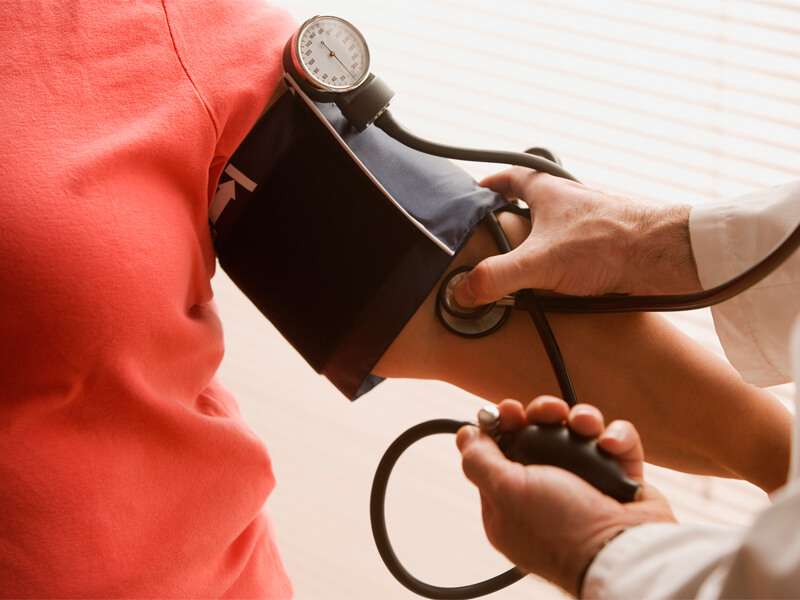
- Diagnosis: Blood pressure is measured using a sphygmomanometer during a physical examination. Additional tests may be conducted to assess heart and kidney function.
- Treatment Options: Management includes lifestyle modifications such as diet changes and increased physical activity. Medications may also be prescribed if necessary.
- What to Expect: Regular monitoring of blood pressure is essential. Patients are encouraged to maintain an open dialogue with their healthcare provider for effective management.
By actively managing hypertension through lifestyle changes and medications where needed, patients can significantly reduce their risk of serious health issues.