
Dr Ketan I Desai
About Me
Dr Ketan I Desai
Cardiologist
Biography
My Clinic
OPD Hours
| Tuesday | Morning | 10:00 AM | - | 02:00 PM |
| Evening | 06:00 PM | - | 09:00 PM | |
| Wednesday | Morning | 10:00 AM | - | 02:00 PM |
| Evening | 06:00 PM | - | 09:00 PM | |
| Thursday | Morning | 10:00 AM | - | 02:00 PM |
| Evening | 06:00 PM | - | 09:00 PM | |
| Friday | Morning | 10:00 AM | - | 02:00 PM |
| Evening | 06:00 PM | - | 09:00 PM | |
| Saturday | Morning | 10:00 AM | - | 02:00 PM |
| Evening | 06:00 PM | - | 09:00 PM | |
| Sunday | Morning | 10:00 AM | - | 02:00 PM |
| Evening | 06:00 PM | - | 09:00 PM | |
| Thursday | Morning | 10:00 AM | - | 02:00 PM |
| Evening | 06:00 PM | - | 09:00 PM |
Treatments
Specialised care and treatments offered
HYPERTENSIVE CRISIS

A hypertensive crisis is a severe increase in blood pressure that can lead to strokes or other serious health issues. This emergency requires immediate medical attention to prevent potentially fatal complications associated with high blood pressure levels exceeding 180/120 mmHg!
- You might experience headaches, visual disturbances, anxiety or even seizures indicating urgent care needs upon appearance.
- A determination of hypertension's severity stems from direct measurement at clinical settings; additional testing may help assess damage caused by elevated pressures overall on organ systems too!
- Therapeutic management often entails rapid-acting antihypertensive drugs administered intravenously during hospital admission while ensuring patient safety first!
Monitoring thresholds regularly thereafter play a crucial role in stabilizing long-term health whenever possible moving forwards !
CORONARY ARTERY DISEASE
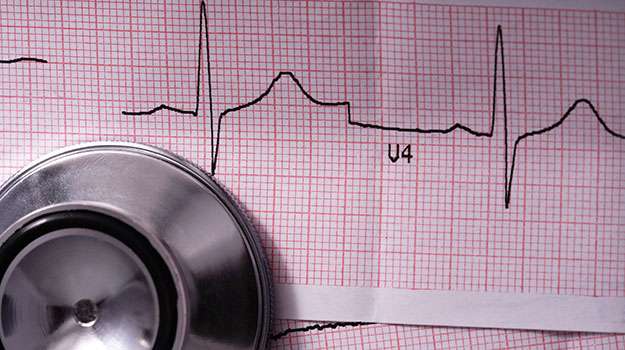
This prevalent condition involves narrowing or blockage of coronary arteries due to atherosclerosis. Over time, it can severely limit blood supply to the heart muscle itself which increases the risk for serious events like heart attacks.
- Commonly experienced symptoms consist of chest pain (angina), fatigue during activity, or even unexpected shortness of breath under non-stress conditions.
- A physician may diagnose this disease via cholesterol screening coupled with advanced imaging techniques such as a coronary angiogram.
- Main treatment modalities comprise lifestyle changes alongside medications including statins; further interventions might involve surgical options like bypass grafting if warranted by severity.
An integrated approach focusing on education about risk factors can greatly assist in managing well-being over time for affected individuals.
CARDIAC ARREST
This critical condition occurs when the heart suddenly stops beating effectively. Immediate action is vital for survival as cardiac arrest leads to loss of consciousness within seconds due to lack of blood flow to vital organs.
- Main signs include sudden collapse, inability to respond or breathe normally which necessitates urgent intervention.
- Differentiating between cardiac arrest and other conditions can be rapidly assessed via basic physical checks and monitoring vital signs by healthcare professionals on-site.
- The mainstay treatment involves performing CPR immediately followed by advanced life support measures if necessary.
- A swift return of spontaneous circulation should be targeted along with post-resuscitation care including potential hospitalization for monitoring.
Your chances of survival significantly increase with early recognition and immediate cardiopulmonary resuscitation (CPR).
CONGESTIVE HEART FAILURE
This chronic condition occurs when the heart cannot pump effectively, leading to fluid accumulation in the lungs and body. Individuals with congestive heart failure often face significant challenges with daily activities.
- The primary symptoms include shortness of breath, swelling in the legs and abdomen, and fatigue after minimal exertion.
- An accurate diagnosis may involve physical examinations along with tests like an X-ray, echocardiogram, or BNP levels.
- Treatment focuses on managing symptoms through lifestyle modifications alongside medications such as diuretics and ACE inhibitors.
- Palliative care approaches are also important for improving quality of life during advanced stages of the disease.
A comprehensive care plan can help patients lead more fulfilling lives despite their diagnosis.
ATRIAL FIBRILLATION
Atrial fibrillation (AFib) is an irregular heartbeat that can lead to various complications if left untreated. It arises from chaotic electrical signals in the heart's upper chambers.
- This condition may cause symptoms such as palpitations, dizziness, fatigue, and even chest discomfort.
- A diagnosis is typically made using an ECG, Holter monitor, or echocardiogram.
- Treatment strategies include medications to control heart rate and rhythm, along with anticoagulants to reduce stroke risk.
- In some cases, procedures like catheter ablation may be recommended for persistent AFib.
Management often involves regular follow-ups to monitor heart function and adjust therapies accordingly.
ACUTE MYOCARDIAL INFARCTION
Acute myocardial infarction, commonly known as a heart attack, occurs when blood flow to a part of the heart is blocked. This blockage can be due to various factors including a blood clot or buildup of plaque in the arteries.
- Symptoms may include chest pain, shortness of breath, sweating, and nausea.
- The condition is usually diagnosed through electrocardiograms (ECGs), blood tests, and imaging techniques like echocardiography.
- Treatment options encompass medications such as aspirin, anticoagulants, and procedures like angioplasty or stenting to restore blood flow.
- After stabilization, lifestyle changes along with rehabilitation programs are essential for long-term management.
Quick recognition and timely treatment are crucial to improve outcomes in patients experiencing this condition.