
Dr Kharkar
About Me
Dr Kharkar
Neurologist
Biography
My Clinic
OPD Hours
| Tuesday | Morning | 10:00 AM | - | 02:00 PM |
| Evening | 06:00 PM | - | 09:00 PM | |
| Wednesday | Morning | 10:00 AM | - | 02:00 PM |
| Evening | 06:00 PM | - | 09:00 PM | |
| Thursday | Morning | 10:00 AM | - | 02:00 PM |
| Evening | 06:00 PM | - | 09:00 PM | |
| Friday | Morning | 10:00 AM | - | 02:00 PM |
| Evening | 06:00 PM | - | 09:00 PM | |
| Saturday | Morning | 10:00 AM | - | 02:00 PM |
| Evening | 06:00 PM | - | 09:00 PM | |
| Sunday | Morning | 10:00 AM | - | 02:00 PM |
| Evening | 06:00 PM | - | 09:00 PM | |
| Thursday | Morning | 10:00 AM | - | 02:00 PM |
| Evening | 06:00 PM | - | 09:00 PM |
Treatments
Specialised care and treatments offered
STROKE REHABILITATION

A stroke occurs when blood supply to part of the brain is cut off; rehabilitation focuses on helping individuals regain lost functions after experiencing one. The recovery process involves numerous disciplines working collaboratively towards maximizing patient independence based on individual needs post-stroke event!
- Symptoms Post-Stroke Repercussions Include: Motor impairments speech difficulties cognition deficits altered behavior presenting challenges essential navigating daily living activities following medically-assisted recovery efforts conducted promptly.< / l i >
ALZHEIMER'S DISEASE
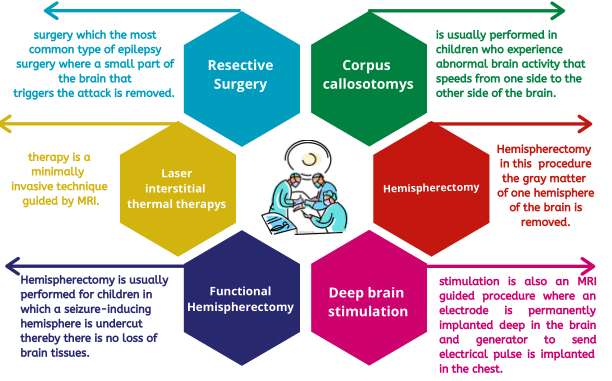
This degenerative brain disorder leads progressively towards memory loss and cognitive decline impacting everyday functioning. Understanding Alzheimer's helps families cope better with diagnosed individuals' needs throughout their journey.
- Symptoms: Enhanced forgetfulness initially evolves into disorientation regarding space/time eventually leading towards impaired reasoning capabilities affecting tasks regularly performed before cognitive impairment onset such as managing personal finances or engaging socially.
- Causes: While aging represents a dominant risk factor associated genetic changes alongside lifestyle components contribute toward developing Alzheimer’s pathology within affected individuals’ brains over decades before clinical signs emerge prominently appearing later stages.
- Diagnosis: Physicians conduct comprehensive assessments including cognitive function tests mental status evaluations corroborated through imaging techniques evaluating brain structures indicative degeneration patterns.custom .
- Treatment: Currently available interventions focus mainly on slowing disease progression improving symptomatic relief via medications combined support frameworks educational resources fostering understanding among family members surrounding patient experiences pivotal aspects influencing engagement levels positivelyduringcare interactionsupport network development leading ultimatelytowardsharedresilienceamongnurturingrelationships! Comprehensive care involving multidisciplinary teams enhances adaptive approaches ensuring overall patient comfort throughout each stageofthischallengingandcomplexjourneynavigatedcarefully!< / scriptingoptionalparametersfunction/>%NENd clear() functionthedisplayPanelcalcConfigurationparameterfuncts= ensure annualresiliencefamiliesbettercopewhilesupportingsocialstigmaaddressedrespectivelymostcognitivelyableapproachesleadoptimizingrestorativeexperienceswithenhancedunderstandingcognitiveprogressionlimitlesspossibilities& Li >
PARKINSON'S DISEASE
This progressive neurodegenerative disorder primarily affects movement. Characterized by tremors, rigidity, slowness of movement (bradykinesia), and postural instability, Parkinson's requires ongoing medical attention for symptom management
- Symptoms: Initial signs often include subtle tremors at rest; over time individual might develop stiffness in muscles and difficulty with balance.
- Causes: Factors contributing could involve genetic mutations as well as environmental toxins that provoke neuronal damage.
- Diagnosis: Diagnosis typically involves detailed medical history assessment alongside physical examinations revealing characteristic motor symptoms; imaging tests may assist in ruling out other conditions.
- Treatment: Management plans frequently comprise dopaminergic medications aimed at alleviating symptoms; physical therapy plays a role in maintaining mobility.
- What to Expect: While there is no cure presently available for Parkinson's disease addressing its symptoms effectively improves quality of life significantly over time.
Collaborating closely with healthcare providers ensures access tailored therapies enhancing long-term well-being amidst this chronic condition.
MULTIPLE SCLEROSIS (MS)
This autoimmune disease affects the central nervous system by attacking myelin—the protective covering of nerve fibers. MS can lead to various neurological issues depending on which areas are affected in the brain and spinal cord.
- Symptoms: Common manifestations include fatigue, difficulty walking, numbness or tingling in limbs, vision problems, and cognitive changes.
- Causes: The exact cause remains unclear but is believed to involve genetic predisposition combined with environmental factors such as viral infections.
- Diagnosis: A combination of clinical examination, MRI imaging showing lesions in the central nervous system, and lumbar puncture may be necessary for confirmation.
- Treatment: Disease-modifying therapies aim to slow progression; symptomatic treatments help manage specific issues like spasticity or fatigue.
- What to Expect: Each case varies significantly: some patients might experience mild symptoms while others endure significant challenges that require comprehensive management strategies.
A collaborative care model involving neurologists is crucial for optimal management of MS symptoms over time.
EPILEPSY
This chronic disorder is marked by recurrent seizures due to abnormal brain activity. The experience of seizures varies widely among patients, necessitating a personalized approach to treatment.
- Symptoms: Seizures can manifest as convulsions, loss of consciousness, or temporary confusion; the nature of these episodes often impacts daily life.
- Causes: Genetic factors, head injuries, infections affecting the brain, and structural abnormalities are some possible contributors.
- Diagnosis: Diagnosis typically involves neurological exams along with EEG tests and brain scans like MRIs to determine the seizure type and location in the brain.
- Treatment: Antiepileptic drugs are commonly prescribed; in certain cases where medication fails, surgical options may be evaluated.
- What to Expect: Many people successfully manage epilepsy with appropriate treatment plans aimed at reducing seizure frequency and improving quality of life.
An accurate diagnosis and tailored therapy are essential for effective control of epilepsy symptoms.
MIGRAINE
Migraine is a common neurological condition characterized by recurrent headaches that can significantly disrupt daily activities. These intense, often pulsating headaches frequently come with other symptoms such as nausea and sensitivity to light or sound.
- Symptoms: Migraines can present with severe, throbbing pain typically on one side of the head, along with nausea, vomiting, and heightened sensitivity to sensory stimuli.
- Causes: Triggers may include stress, hormonal changes, certain foods, and environmental factors.
- Diagnosis: A healthcare provider conducts a thorough history and physical exam; imaging studies like MRI may be necessary to rule out other conditions.
- Treatment: Management may involve over-the-counter pain relievers for mild attacks or prescription medications for severe cases; lifestyle modifications can also help.
- What to Expect: With effective treatment and management strategies, many individuals experience a significant reduction in the frequency and severity of migraine episodes.
If you suspect you are suffering from migraines, seeking medical advice is important to tailor an effective management plan.