
DR Khushi Ram Tew
About Me
DR Khushi Ram Tew
MD
Cardiologist
Biography
My Clinic
OPD Hours
| Monday | Morning | 10:00 AM | - | 02:00 PM |
| Evening | 06:00 PM | - | 09:00 PM | |
| Tuesday | Morning | 10:00 AM | - | 02:00 PM |
| Evening | 06:00 PM | - | 09:00 PM | |
| Wednesday | Morning | 10:00 AM | - | 02:00 PM |
| Evening | 06:00 PM | - | 09:00 PM | |
| Thursday | Morning | 10:00 AM | - | 02:00 PM |
| Evening | 06:00 PM | - | 09:00 PM | |
| Friday | Morning | 10:00 AM | - | 02:00 PM |
| Evening | 06:00 PM | - | 09:00 PM | |
| Saturday | Morning | 10:00 AM | - | 02:00 PM |
| Evening | 06:00 PM | - | 09:00 PM | |
| Sunday | Morning | 10:00 AM | - | 02:00 PM |
| Evening | 06:00 PM | - | 09:00 PM |
Treatments
Specialised care and treatments offered
CORONARY ANGIOGRAPHY

This imaging technique specifically assesses blood vessels supplying blood to the heart muscle. Coronary angiography plays a pivotal role in diagnosing coronary artery disease (CAD).
- Symptoms prompting this test: Chest pain (angina), shortness of breath during exertion, and even prior history suggestive of CAD often necessitate this exploration.
- Diagnostic approach: A contrast dye is injected into coronary arteries using catheterization followed by X-ray imaging allowing visualization of arterial blockages.
- Treatment implications: Depending on findings from coronary angiography results could lead towards interventions such as stent placement if significant blockages are identified.
- Recovery expectations: Patients typically stay one night post-procedure for observation but many report minimal discomfort after returning home once discharged.
This advanced imaging enhances understanding regarding vessel health thereby facilitating appropriate intervention planning crucially contributing towards overall cardiovascular wellness journeys ahead effectively.
ELECTROPHYSIOLOGY STUDY
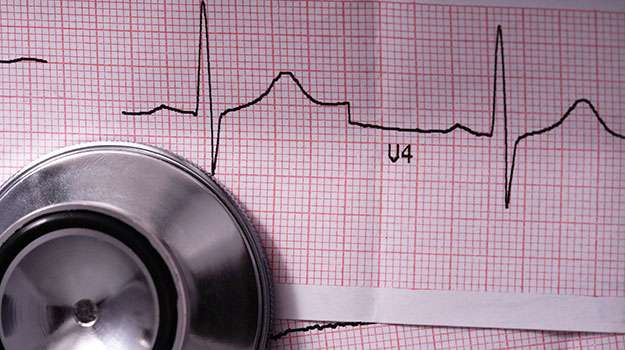
This specialized study investigates the electrical system of your heart to diagnose arrhythmias. It's essential for understanding complex heartbeat issues not visible through regular tests.
- Usage indications: Patients with frequent palpitations or unexplained fainting often require this detailed investigation.
- Procedure details: It involves placing catheters inside the heart through veins in the groin to measure electrical signals.
- Treatment options: Depending on findings, treatments may include medication adjustments, catheter ablation procedures, or implantable devices like pacemakers.
- Post-procedure expectations: Most patients remain overnight at healthcare facilities for monitoring but can usually resume normal activities quickly post-procedure.
This study offers comprehensive insights into electrical functioning aiding cardiologists in establishing precise management strategies tailored per patient needs effectively throughout long-term cardiac care journeys.
CARDIAC CATHETERIZATION
This invasive procedure is used to examine how well blood flows through your heart's chambers and arteries. It plays a key role in diagnosing blockages or other structural problems within the heart.
- Indications for use: Patients generally undergo this test when they have symptoms such as severe angina or before certain cardiac surgeries.
- Diagnostic process: A thin tube (catheter) is inserted through an artery in the arm or leg and guided to the coronary arteries while taking X-ray images (angiography).
- Treatment possibilities: Besides diagnostics, therapies like balloon angioplasty may be performed during this procedure if blockages are found.
- Recovery expectations: Hospital stay may vary from same-day discharge to overnight observation based on individual circumstances and complexity of findings during catheterization.
The results from cardiac catheterization enable cardiologists to devise effective treatment plans tailored to each patient's needs thoroughly outlined by their specific cardiac profiles.
HOLTER MONITOR
A Holter monitor is a portable device used for continuous monitoring of heart rhythms over 24-48 hours. It captures irregularities that may not appear during standard tests.
- Purpose: It is particularly useful for patients experiencing unexplained palpitations, dizziness, or fainting spells.
- How it works: Electrodes are placed on the skin and connected to a small recording device worn on a belt or shoulder strap.
- Data analysis: After monitoring, data is analyzed for abnormal heartbeats; treatment options depend on findings and could range from lifestyle changes to medications.
- Patient experience: Wearing the monitor allows normal daily activities unless otherwise instructed. Most patients find it comfortable and unobtrusive.
The Holter monitor provides valuable information aiding in accurate diagnosis and management of cardiac conditions over time.
STRESS TESTING
A stress test evaluates how well your heart functions under physical stress. It usually involves walking on a treadmill or cycling while your heart rate and rhythm are monitored.
- Indicators for use: Common symptoms prompting this test include unexplained chest pain or excessive fatigue during physical activity.
- Diagnostic process: Multiple sensors are attached to monitor heart activity. Your doctor will compare resting and stressed states to identify any abnormalities.
- Treatment implications: Results help formulate a management plan that may include medication adjustments or further testing if needed.
- What to expect: The test lasts about 30 minutes; patients might feel fatigued but should be able to return to normal activities soon after completion.
This test provides significant insights into your cardiovascular health and helps guide future treatment decisions effectively.
ECHOCARDIOGRAM
An echocardiogram is a crucial diagnostic tool that uses ultrasound waves to create images of the heart. This non-invasive procedure helps assess the heart's structure and function, providing important information about various heart conditions.
- Symptoms: Patients may experience shortness of breath, chest pain, or swelling in the legs.
- Diagnosis: The procedure is performed by placing a transducer on the chest, which emits sound waves that bounce off the heart, creating images.
- Treatment options: While an echocardiogram itself is a diagnostic tool, findings may lead to treatments such as medications or lifestyle changes.
- Expectations: The test typically takes 30-60 minutes, and patients can usually resume normal activities immediately following.
Overall, an echocardiogram is essential for diagnosing potential heart issues and determining appropriate treatment plans.