
Dr Kinjal Rambhia Gulati
About Me
Dr Kinjal Rambhia Gulati
Dermatologist
Biography
My Clinic
OPD Hours
| Tuesday | Morning | 10:00 AM | - | 02:00 PM |
| Evening | 06:00 PM | - | 09:00 PM | |
| Wednesday | Morning | 10:00 AM | - | 02:00 PM |
| Evening | 06:00 PM | - | 09:00 PM | |
| Thursday | Morning | 10:00 AM | - | 02:00 PM |
| Evening | 06:00 PM | - | 09:00 PM | |
| Friday | Morning | 10:00 AM | - | 02:00 PM |
| Evening | 06:00 PM | - | 09:00 PM | |
| Saturday | Morning | 10:00 AM | - | 02:00 PM |
| Evening | 06:00 PM | - | 09:00 PM | |
| Sunday | Morning | 10:00 AM | - | 02:00 PM |
| Evening | 06:00 PM | - | 09:00 PM | |
| Thursday | Morning | 10:00 AM | - | 02:00 PM |
| Evening | 06:00 PM | - | 09:00 PM |
Treatments
Specialised care and treatments offered
SKIN CANCER SCREENING
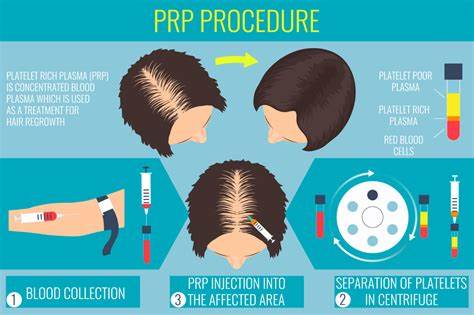
A vital procedure for early detection of skin cancers which includes melanoma & non-melanoma types respectively. Regular screenings are essential particularly for individuals exhibiting higher risk factors such as family histories amongst others especially concerning distinct changes noticed within existing moles/skin lesions over time.
- Symptoms : Any new spots appearing alongside changes observed within pre-existing ones necessitates clinical assessment soon after noting concerns impact likelihood indicating malignancy potentiality .
- Causes : Ultraviolet (UV) radiation remains one major contributor increasing vulnerabilities prompting necessity detecting damages promptly before progressing toward advanced stages further complicating treatment pathways ahead eventually required later down track.< 1 0 1 = '1' /> b C n u ro Ir Al g a D h E F Q L D ] s q l c k B T G => z G C U O L v C Q X' c T{ c } V z K R
ACNE VULGARIS
A common dermatological issue primarily affecting adolescents but also adults. Acne occurs when hair follicles become clogged with oil and dead skin cells leading to pimples on the face or back among other areas.
- Symptoms : This condition typically encompasses various forms such as blackheads , whiteheads , cysts & papules causing irritation along with occasional tenderness .
- Causes : Hormonal shifts during puberty together with excess sebum production plays significant roles contributing towards acne formation .
- Diagnosis : Usually diagnosed based solely upon visual evaluation from experienced dermatologists without needing additional testing unless complications arise .
- Treatment options : Solutions range widely from topical retinoids , antibiotics , hormonal therapies targeting causative factors down towards lifestyle modifications focusing upon skincare routines further aiding prevention .
Your journey towards clearer complexion begins here! Effective tools await you ensuring long-lasting results if diligently followed!
SEBORRHEIC DERMATITIS
This common skin disorder primarily affects oily areas such as the scalp and face. Characterized by red patches covered with greasy yellowish scales or dandruff-like flaking, it impacts both adults and infants alike.
- Symptoms: Symptoms usually consist of scaly areas that may itch intermittently; severe cases can lead to hair loss due to scratching or excessive shedding.
- Causes: While the exact cause isn't clear yet; an overproduction of oil combined with yeast naturally found on our skin is thought to contribute significantly.
- Diagnosis : Often diagnosed visually during a consultation; symptomatic evaluation helps rule out other conditions showing similar signs.
- Treatment options : Treatment may entail medicated shampoos containing antifungals alongside topical treatments aimed at controlling inflammation while alleviating symptoms.
- What to expect : Although seborrheic dermatitis can recur periodically throughout life., effective management strategies lead towards improved symptom relief over time.
Individuals experiencing seborrheic dermatitis should feel reassured that effective treatments exist available tailored specifically towards their needs!
CONTACT DERMATITIS
This form of dermatitis occurs when the skin reacts after direct contact with irritants or allergens. It manifest as red, itchy rashes that can become swollen or blistered depending on sensitivity levels.
- Symptoms: Symptoms include redness, itching, burning sensations, and blisters in some cases. The rash may appear within hours or even days after exposure.
- Causes: Common culprits include soaps, cosmetics, nickel in jewelry, certain plants like poison ivy or other chemicals used at home or work.
- Diagnosis: Diagnosis typically involves identifying potential triggers through medical history review and patch testing if necessary.
- Treatment options: Avoiding known irritants is crucial; topical corticosteroids may also be prescribed to reduce inflammation and discomfort during flare-ups.
A proactive approach helps prevent future occurrences by identifying triggers effectively and managing reactions promptly when they occur.
ATOPIC DERMATITIS
This inflammatory skin condition is commonly known as eczema. It typically presents as inflamed, itchy skin that can appear anywhere on the body. Patients often experience flare-ups triggered by various factors.
- Symptoms: Itching is often intense, leading to scratching which exacerbates skin irritation. Redness and dryness are also common indicators of this condition.
- Causes: A combination of genetic predisposition and environmental factors contribute to its development.
- Diagnosis: Diagnosis is typically made based on a thorough evaluation of symptoms and medical history; sometimes allergy tests are conducted.
- Treatment options: Treatment often includes moisturizers, topical steroids for inflammation control and avoiding irritants whenever possible.
- What to expect: With an effective management plan in place, many patients see significant improvement in their symptoms over time.
A comprehensive approach to treatment ensures optimal management of atopic dermatitis for those affected by it.
PSORIASIS
Psoriasis is a chronic autoimmune condition that leads to the rapid growth of skin cells, resulting in thick, red, scaly patches on the skin. These patches can be itchy and painful, affecting not just physical appearance but also emotional well-being.
- Symptoms: Common signs include red patches covered with thick, silvery scales, dry and cracked skin that may bleed, itching or burning sensations.
- Causes: While the exact cause remains elusive, genetics and immune system dysfunction are believed to play a role.
- Diagnosis: A dermatologist can usually diagnose psoriasis through physical examination; sometimes a biopsy may be needed for confirmation.
- Treatment options: Management could involve topical treatments like corticosteroids, phototherapy, or systemic medications depending on severity.
- What to expect: Though psoriasis can be managed effectively, it is often a lifelong condition requiring ongoing treatment and lifestyle adjustments.
Understanding psoriasis empowers patients to seek appropriate care and manage their symptoms effectively.