
Dr Kiran Jain
About Me
Dr Kiran Jain
General Physician
Biography
My Clinic
OPD Hours
| Tuesday | Morning | 10:00 AM | - | 02:00 PM |
| Evening | 06:00 PM | - | 09:00 PM | |
| Wednesday | Morning | 10:00 AM | - | 02:00 PM |
| Evening | 06:00 PM | - | 09:00 PM | |
| Thursday | Morning | 10:00 AM | - | 02:00 PM |
| Evening | 06:00 PM | - | 09:00 PM | |
| Friday | Morning | 10:00 AM | - | 02:00 PM |
| Evening | 06:00 PM | - | 09:00 PM | |
| Saturday | Morning | 10:00 AM | - | 02:00 PM |
| Evening | 06:00 PM | - | 09:00 PM | |
| Sunday | Morning | 10:00 AM | - | 02:00 PM |
| Evening | 06:00 PM | - | 09:00 PM | |
| Thursday | Morning | 10:00 AM | - | 02:00 PM |
| Evening | 06:00 PM | - | 09:00 PM |
Treatments
Specialised care and treatments offered
PNEUMONIA MANAGEMENT
Pneumonia is an infection that inflames the air sacs in one or both lungs; these sacs may fill with fluid or pus leading to significant respiratory discomfort. Pneumonia can affect anyone but poses higher risks for infants and older adults.
- The hallmark symptoms include coughing (which may produce phlegm), fever, chills, and difficulty breathing.
- A healthcare provider will conduct diagnostic imaging like chest X-rays alongside laboratory tests such as sputum cultures to determine specific pathogens involved in each case of pneumonia.
- Treatment depends on whether pneumonia is bacterial or viral; antibiotics are provided for bacterial types while supportive care applies largely for viral cases which generally resolve on their own over time .
- Recovery expectations vary widely based on personal health factors; some individuals recuperate quickly while others require longer periods particularly if complications arise.
Timely medical intervention plays an essential role in improving outcomes connected with pneumonia treatment protocols ensuring minimal disruptions in daily living activities post-recovery.
ASTHMA MANAGEMENT

Asthma is a chronic inflammatory disease of the airways that causes difficulty breathing due to narrowed air passages. This condition can manifest at any age but begins most often during childhood or adolescence.
- Common symptoms include wheezing, shortness of breath, chest tightness, and persistent coughing.
- Diagnosis requires a thorough review of medical history along with lung function tests such as spirometry to measure airflow obstruction.
- Treatment focuses on avoiding triggers like allergens and irritants while applying medications such as inhaled corticosteroids for long-term control.
- Regular follow-up appointments are vital in adjusting treatment plans according to symptom patterns observed over time.
Effective asthma management empowers individuals to lead active lives while minimizing acute episodes requiring emergency care.
TYPE 2 DIABETES MANAGEMENT

Type 2 diabetes is a chronic condition that affects how your body metabolizes sugar (glucose). While it’s increasingly common, proper management can lead to effective control over symptoms and complications prevention.
- The main symptoms, such as increased thirst and frequent urination, occur when blood sugar levels are high beyond normal limits.
- This condition is diagnosed through fasting blood glucose tests or an HbA1c test that reflects average blood glucose levels over several months.
- Treatment often includes dietary changes aimed at lowering glucose intake along with exercise. Medication may be required if lifestyle adjustments alone do not suffice.
- Persistent management involves regular health check-ups to monitor blood sugar levels and potential complications associated with diabetes over time.
A proactive approach in managing type 2 diabetes significantly enhances quality of life while reducing risks associated with high sugar levels in the bloodstream.
HYPERTENSION
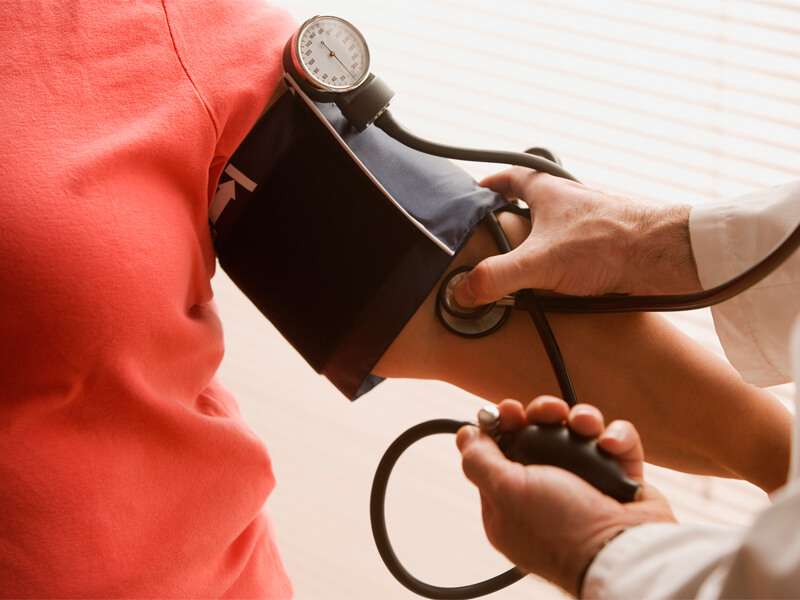
Hypertension, or high blood pressure, is often termed the silent killer due to its asymptomatic nature. It raises the risk for serious conditions such as heart disease and stroke.
- The condition can develop from lifestyle factors like poor diet and inactivity or underlying health issues such as kidney disease.
- A healthcare provider will typically diagnose hypertension by measuring blood pressure during regular visits over time.
- Treatment options range from lifestyle modifications—such as enhancing physical activity and dietary changes—to medication where necessary to maintain healthy blood pressure levels.
- Regular monitoring is important in managing this chronic condition effectively; maintaining a healthy weight can also contribute to better control.
Catching hypertension early allows for effective management strategies that promote long-term health benefits.
ACUTE GASTROENTERITIS
Acute gastroenteritis is an inflammation of the stomach and intestines characterized by sudden onset. It is typically caused by viral infections but may also result from bacterial or parasitic infections.
- The common symptoms include vomiting, diarrhea, abdominal cramps, and sometimes fever.
- Diagnosis usually involves taking a detailed medical history along with stool tests to identify any pathogens present.
- Management primarily focuses on rehydration, either orally or intravenously in more severe cases. Antiemetics may be prescribed for nausea.
- Most individuals recover within a few days without complications; however, young children and older adults are at higher risk for dehydration.
If symptoms persist or worsen, it is essential to consult a healthcare professional promptly for further evaluation.
ACUTE RESPIRATORY DISTRESS SYNDROME (ARDS)
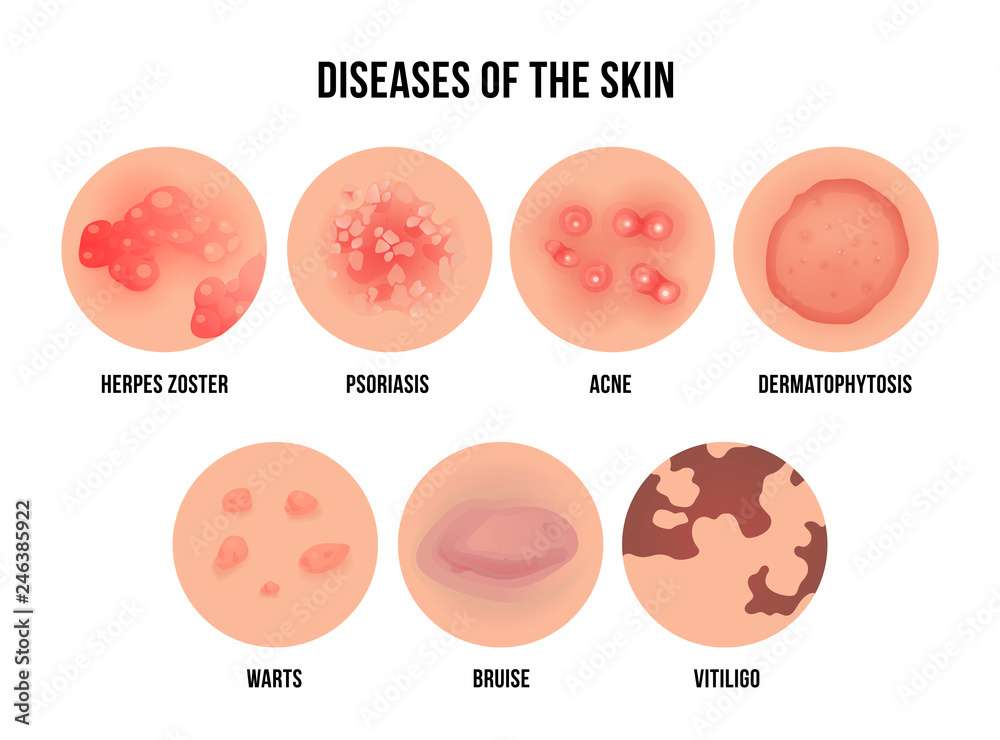
Acute Respiratory Distress Syndrome is a serious condition that occurs when fluid fills the lungs. It can develop from various causes, including pneumonia, sepsis, or trauma.
- Symptoms often include severe shortness of breath, rapid breathing, and low blood oxygen levels.
- This condition is typically diagnosed through a chest X-ray or CT scan, alongside blood tests to assess oxygen levels.
- Treatment may involve oxygen therapy, mechanical ventilation, and addressing the underlying cause of ARDS.
- Patients need close monitoring in a hospital setting; recovery may take time depending on the severity.
- The prognosis can vary widely; some patients recover fully while others may have lasting effects.
Early recognition and intervention are crucial in improving outcomes for those affected by ARDS.