
Dr Kiran Katkar
About Me
Dr Kiran Katkar
Dermatologist
Biography
My Clinic
OPD Hours
| Tuesday | Morning | 10:00 AM | - | 02:00 PM |
| Evening | 06:00 PM | - | 09:00 PM | |
| Wednesday | Morning | 10:00 AM | - | 02:00 PM |
| Evening | 06:00 PM | - | 09:00 PM | |
| Thursday | Morning | 10:00 AM | - | 02:00 PM |
| Evening | 06:00 PM | - | 09:00 PM | |
| Friday | Morning | 10:00 AM | - | 02:00 PM |
| Evening | 06:00 PM | - | 09:00 PM | |
| Saturday | Morning | 10:00 AM | - | 02:00 PM |
| Evening | 06:00 PM | - | 09:00 PM | |
| Sunday | Morning | 10:00 AM | - | 02:00 PM |
| Evening | 06:00 PM | - | 09:00 PM | |
| Thursday | Morning | 10:00 AM | - | 02:00 PM |
| Evening | 06:00 PM | - | 09:00 PM |
Treatments
Specialised care and treatments offered
ACTINIC KERATOSIS
Actinic keratosis (AK) represents rough patches or lesions developing primarily due prolonged sun exposure highlighting potential precancerous changes due sun damage. Recognizing AK early could help avoid progression into skin cancer stages among vulnerable populations.
- Symptoms involve tiny bump formations often appearing crusty/discolored mainly occurring on sun-exposed regions forming gradually over time appearing even harmless initially
- Dermatologists conduct visual examinations determining malignancy risks necessitating biopsies if suspicious concerning cellular irregularities arise
- Treatment approaches entail cryotherapy techniques employing liquid nitrogen freezing off problematic areas effectively whilst promoting healthy renewals post-procedure
- Topical agents providing chemotherapy agents/retinoids assist towards clearing lesions down while preventing future occurrences too thus safeguarding dermal integrity greatly upon need
- Regular follow-ups remain essential enabling specialists perceive result effectiveness keeping tabs noting any emergent symptoms articulating possible interventions warranted converging timely efforts accumulate positive outcomes extended further off impacting lives meaningfully positively thereafter!
SKIN INFECTIONS
Skin infections can manifest in various forms including bacterial infections such as cellulitis or viral ones like shingles. They might result from breaks in the skin barrier allowing pathogens access into deeper layers affecting overall health temporarily.
- Symptoms typically include redness, swelling around affected areas possibly accompanied by fever depending on severity; prompt attention is crucial.
- Diagnosis requires a thorough clinical evaluation focusing on patient history alongside possible laboratory tests demonstrating microbial involvement.
- Treatment ranges from oral antibiotics targeting bacterial strains involved; antifungal creams for fungal infections could be prescribed based on precise identification methods undertaken initially
- Proper hygiene practices play an essential role alongside adherence towards prescribed regimens ensuring healing proceeds without incident complications
- Patients should anticipate regular check-ins particularly during escalation phases assisting professionals track progress facilitating timely adjustments necessary adhering therapeutic plans established earlier
Prompt recognition coupled with immediate actions leads ideally towards swift recovery maintaining optimal wellness henceforth moving forward!
MELASMA
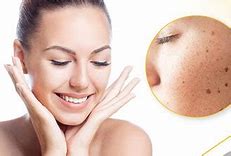
Melasma appears as dark patches on various parts of the body but predominantly affects facial areas. It occurs due to hormonal changes and excessive sun exposure which stimulate melanin production in the skin.
- The primary symptoms are brown or grayish-brown spots often seen on the cheeks, forehead, nose, and chin; these are mostly painless but can affect self-esteem significantly.
- A thorough examination by a dermatologist helps confirm diagnosis; sometimes additional tests might be conducted for accurate assessment.
- Treatment options include topical lightening agents such as hydroquinone combined with sunscreen for ongoing protection against UV rays that trigger further pigmentation changes.
- Chemical peels or laser therapy may be appropriate for persistent cases where topical treatments do not yield satisfactory results.
- An individual management plan will focus on minimizing recurrence through preventive measures like sun protection daily habits involving hats or umbrellas will be emphasized too.
An understanding of melasma can empower patients to take proactive steps towards achieving clearer skin through customized treatment strategies that work best for them!
ACNE
Acne is one of the most prevalent dermatological conditions affecting individuals of all ages primarily during adolescence. It is characterized by the presence of pimples, blackheads, or cysts caused by clogged hair follicles.
- This condition often presents as lesions, which can cause scarring if left untreated; they usually appear on the face, back, and chest.
- Diagnosis typically involves an assessment of the patient's skin alongside their medical history to identify potential contributing factors like hormonal changes or medication use.
- Treatment often begins with over-the-counter topical agents such as benzoyl peroxide or salicylic acid; more severe cases may require prescription medications like retinoids or antibiotics.
- A comprehensive approach that includes lifestyle modifications can enhance treatment outcomes considerably by addressing diet and skincare habits.
- The journey to clearer skin may take time; ongoing follow-up is essential for monitoring improvement and adjusting treatments as necessary.
An early intervention can lead to more effective outcomes in managing acne, helping patients regain confidence in their appearance.
ECZEMA
Eczema, or atopic dermatitis, is a common inflammatory skin condition that causes dry, itchy patches on the skin. This disorder can significantly affect daily activities and quality of life if not managed properly.
- The main symptoms include intense itching, redness, and dry or cracked skin that may ooze when scratched.
- Diagnosis involves evaluating the patient's medical history along with a physical examination of affected areas.
- Treatment generally includes moisturizing ointments to maintain skin hydration and anti-inflammatory medications to control flare-ups.
- Avoiding known triggers like allergens or irritants is crucial in managing eczema effectively.
- Patients can anticipate a tailored treatment plan aimed at avoiding flare-ups while soothing acute episodes when they occur.
Recognizing eczema's triggers and implementing effective management strategies can lead to significant improvements in symptoms and comfort.
PSORIASIS
Psoriasis is a chronic autoimmune skin disorder characterized by the rapid proliferation of skin cells, leading to thick, red patches covered with silvery scales. This condition can cause discomfort and emotional distress due to its visible symptoms.
- Symptoms commonly include red patches of skin, dryness, itching, and sometimes pain.
- Diagnosis typically involves a physical examination and may include a biopsy to understand the severity and type of psoriasis.
- Treatment options range from topical therapies like corticosteroids and vitamin D analogues to systemic medications and phototherapy.
- Management focuses on reducing inflammation and scaling, enhancing overall skin appearance while addressing the quality of life.
- Patients should expect ongoing management, as psoriasis often has flare-ups but can be controlled effectively with treatment.
Understanding psoriasis is crucial as it not only affects the skin but can also have systemic implications, demanding comprehensive care.