
Dr Kiran Naik
About Me
Dr Kiran Naik
Internal Medicine
Biography
My Clinic
OPD Hours
| Tuesday | Morning | 10:00 AM | - | 02:00 PM |
| Evening | 06:00 PM | - | 09:00 PM | |
| Wednesday | Morning | 10:00 AM | - | 02:00 PM |
| Evening | 06:00 PM | - | 09:00 PM | |
| Thursday | Morning | 10:00 AM | - | 02:00 PM |
| Evening | 06:00 PM | - | 09:00 PM | |
| Friday | Morning | 10:00 AM | - | 02:00 PM |
| Evening | 06:00 PM | - | 09:00 PM | |
| Saturday | Morning | 10:00 AM | - | 02:00 PM |
| Evening | 06:00 PM | - | 09:00 PM | |
| Sunday | Morning | 10:00 AM | - | 02:00 PM |
| Evening | 06:00 PM | - | 09:00 PM | |
| Thursday | Morning | 10:00 AM | - | 02:00 PM |
| Evening | 06:00 PM | - | 09:00 PM |
Treatments
Specialised care and treatments offered
THYROID FUNCTION TESTS REVIEW
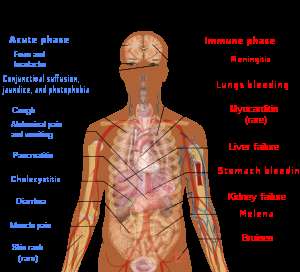
The thyroid gland plays a crucial role in regulating metabolism via hormone production. Evaluating thyroid function is essential for diagnosing various metabolic disorders affecting overall wellness.
- Symptoms related typically involve weight fluctuations , energy level alterations , mood disturbances , etc .
- Bloodwork examining Thyroid Stimulating Hormone (TSH) along with Free T3 & Free T4 provides insight into thyroid functionality assessment .
- Depending on results obtained ; treatments range from hormonal replacements utilizing synthetic medications / radioactive iodine therapies aimed at correcting imbalances .
- Adequate monitoring ensures appropriate dosages getting adjusted regularly; enhancing patient safety outcomes throughout periods dedicated drawing vitality back into daily routines!
Acknowledge vital checkpoints present throughout body functioning encourages maintenance environmental stability contributes fostering successful living - let’s unravel clearness within diagnosed scenarios together!
AUTOIMMUNE DISEASE SCREENING
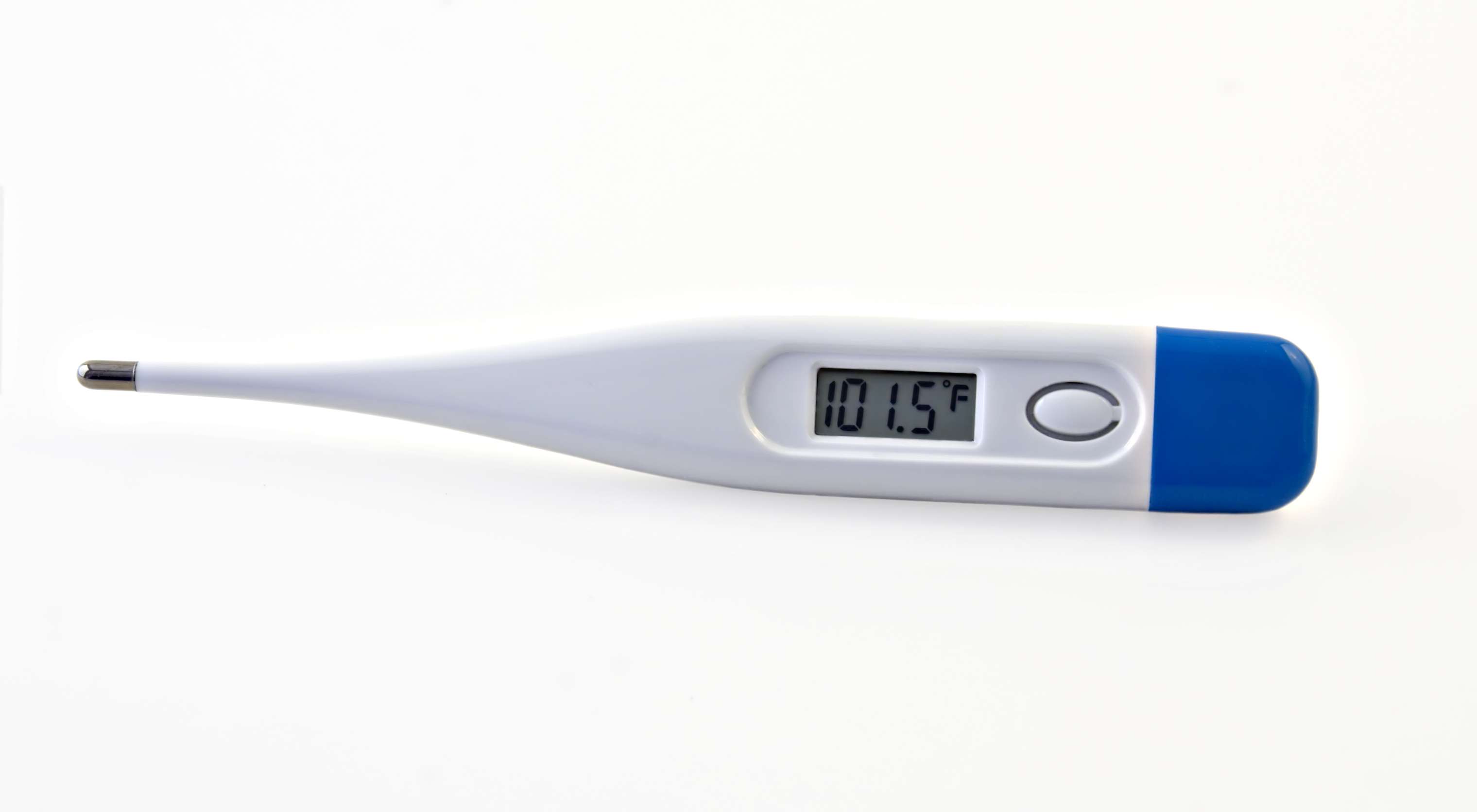
Autoimmune diseases occur when the body's immune system mistakenly attacks its own tissues. Early detection is key in minimizing damage caused by these conditions over time.
- Common symptoms frequently manifest as unexplained fatigue, joint pain, and skin rashes among others .
- Diagnosis usually requires specific autoantibody tests , along with thorough patient history evaluations .
- Treatment pathways diverge based on individual conditions—from anti-inflammatory medications to immune-modulating therapies .
- Regular assessments pave way for timely interventions / aimed epigenetic approaches .
- Create support systems, whether through counseling / participation groups / nutritional guidance to foster emotional well-being .
Sustaining awareness & comprehension about autoimmunity cultivates better holistic care practices across medical settings .
LIPID DISORDERS ASSESSMENT
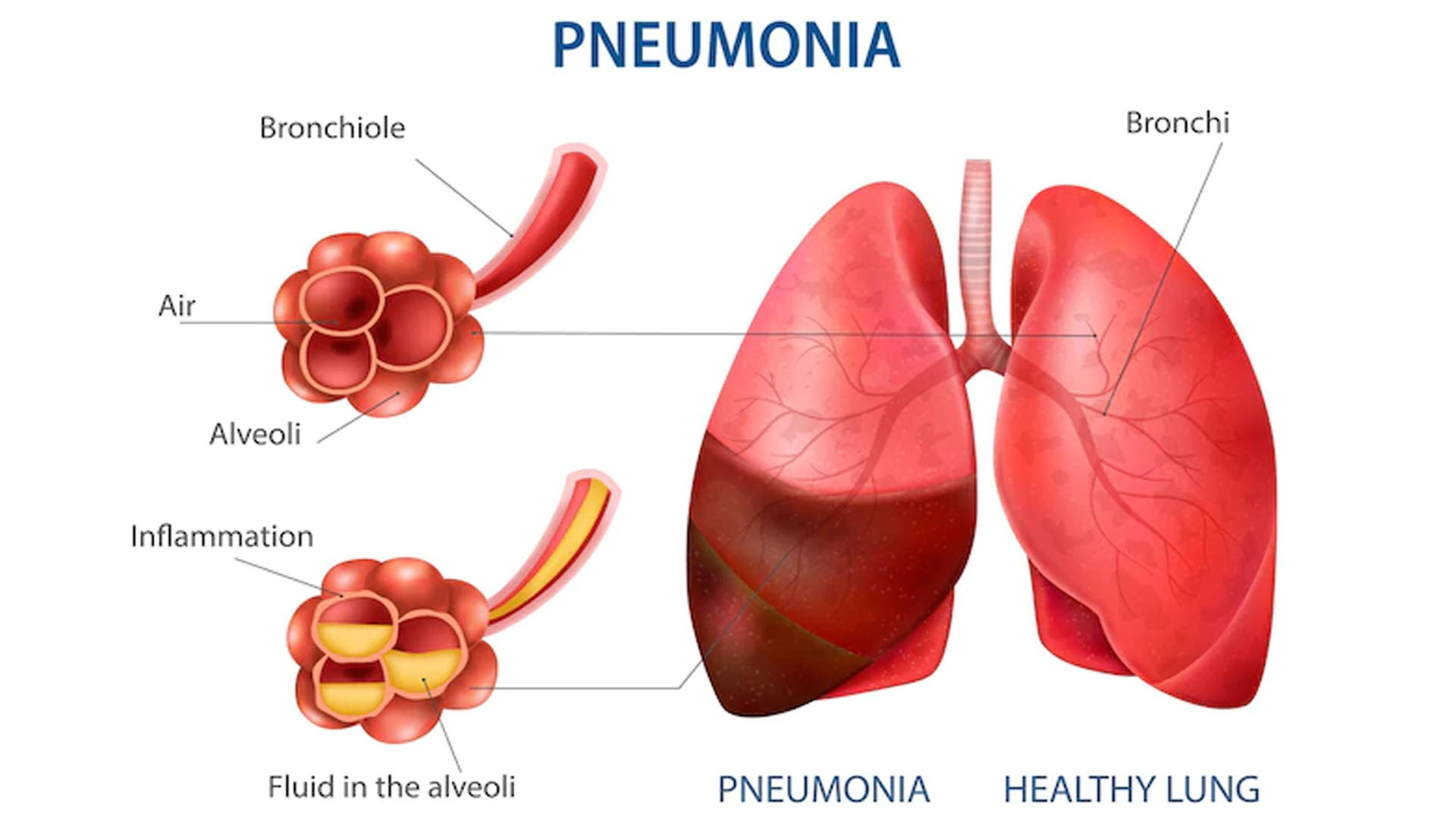
Lipid disorders encompass abnormalities in cholesterol levels that can increase the risk of cardiovascular diseases. Understanding these disorders is vital for cardiovascular health prevention strategies.
- Symptoms are generally absent; however, conditions like xanthomas might indicate severe dyslipidemia presence.
- Lipid profiles are assessed through blood tests measuring total cholesterol, LDL (bad cholesterol), HDL (good cholesterol), and triglycerides levels.
- Treatment approaches include dietary adjustments aimed at reducing saturated fats along with exercise regimens; medication such as statins might be prescribed when necessary.
- Monitoring lipid levels regularly aids in evaluating treatment efficacy over time towards achieving optimal cholesterol balance for overall heart health.
CHRONIC KIDNEY DISEASE EVALUATION
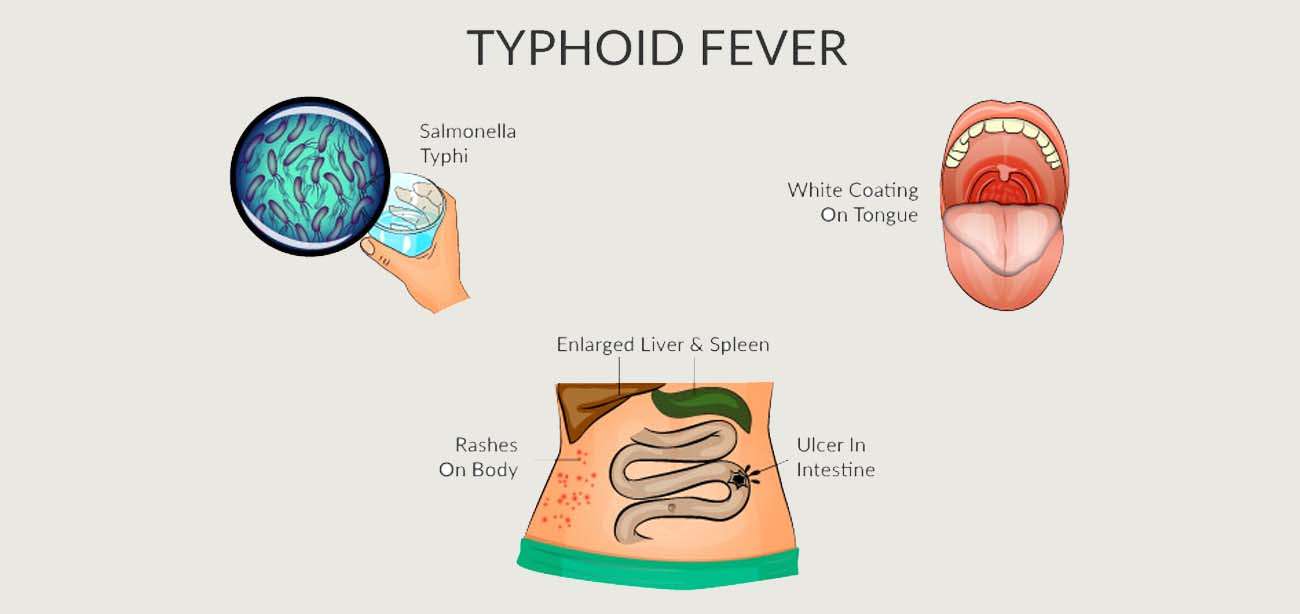
Chronic kidney disease (CKD) refers to the gradual loss of kidney function over time. Understanding this condition is pivotal for maintaining renal health and preventing progression to end-stage renal failure.
- Symptoms may not appear until the later stages but can include fatigue, swelling in legs or ankles, and persistent itching.
- CKD is diagnosed through laboratory tests measuring serum creatinine levels and estimated glomerular filtration rate (eGFR).
- Treatment strategies focus on controlling underlying causes such as hypertension or diabetes and may involve medication management or dietary changes to limit sodium intake.
- Patiens should engage in regular follow-ups to assess kidney function progression through routine testing.
- A healthy lifestyle that includes hydration and avoiding nephrotoxic substances enhances kidney health significantly.
With timely intervention and proper care, individuals with CKD can lead healthier lives while slowing disease progression effectively.
DIABETES MELLITUS DIAGNOSIS
Diabetes mellitus is a chronic condition characterized by high levels of sugar (glucose) in the blood. Early diagnosis is critical in managing this condition effectively and preventing complications.
- The most common symptoms include increased thirst, frequent urination, fatigue, and blurred vision.
- Diagnosis primarily involves blood tests such as fasting glucose levels, HbA1c testing, or an oral glucose tolerance test.
- Treatment encompasses lifestyle changes including diet control and physical activity, alongside possible insulin therapy or oral medications depending on the type of diabetes.
- Patients should regularly monitor their blood sugar levels to ensure they remain within target ranges.
- A comprehensive approach also involves education on recognizing early signs of hypo- or hyperglycemia.
Managing diabetes effectively helps individuals maintain a healthy life while minimizing risks associated with the disease.
HYPERTENSION MANAGEMENT
Hypertension, or high blood pressure, is a common condition that can lead to serious health complications if left unmanaged. It often shows no initial symptoms, which is why regular monitoring is crucial.
- Common symptoms may include headaches, shortness of breath, and nosebleeds.
- Diagnosis typically involves measuring blood pressure readings over time using a sphygmomanometer and may include additional tests like urine analysis.
- Treatment options include lifestyle modifications such as diet and exercise, as well as medications like diuretics or ACE inhibitors.
- Regular check-ups are essential for monitoring blood pressure levels and adjusting treatment plans accordingly.
- Understanding how stress affects your blood pressure can also be beneficial in managing the condition.
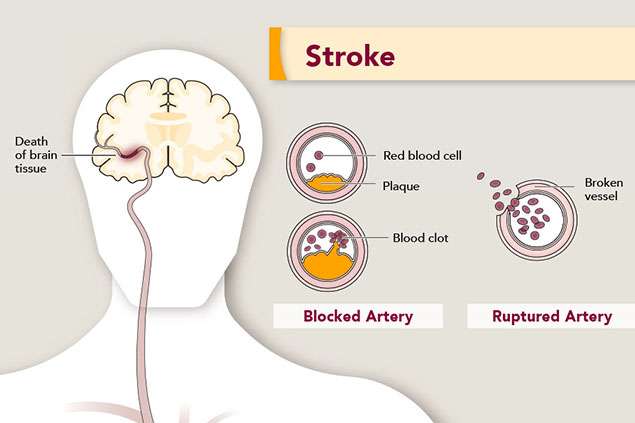
Effective management of hypertension can significantly reduce the risk of heart disease and stroke, promoting better long-term health outcomes.