
Dr Kiran Patil
About Me
Dr Kiran Patil
Internal Medicine
Biography
My Clinic
OPD Hours
| Tuesday | Morning | 10:00 AM | - | 02:00 PM |
| Evening | 06:00 PM | - | 09:00 PM | |
| Wednesday | Morning | 10:00 AM | - | 02:00 PM |
| Evening | 06:00 PM | - | 09:00 PM | |
| Thursday | Morning | 10:00 AM | - | 02:00 PM |
| Evening | 06:00 PM | - | 09:00 PM | |
| Friday | Morning | 10:00 AM | - | 02:00 PM |
| Evening | 06:00 PM | - | 09:00 PM | |
| Saturday | Morning | 10:00 AM | - | 02:00 PM |
| Evening | 06:00 PM | - | 09:00 PM | |
| Sunday | Morning | 10:00 AM | - | 02:00 PM |
| Evening | 06:00 PM | - | 09:00 PM | |
| Thursday | Morning | 10:00 AM | - | 02:00 PM |
| Evening | 06:00 PM | - | 09:00 PM |
Treatments
Specialised care and treatments offered
ANEMIA MANAGEMENT
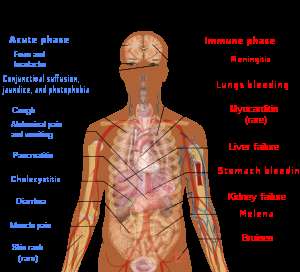
Anemia occurs when you lack enough healthy red blood cells to carry adequate oxygen throughout your body. Recognizing its signs helps promote better overall wellness through timely intervention strategies!
- Typical Symptoms: General fatigue paired with weakness or pale skin color—these clues might point toward needing evaluation from qualified practitioners swiftly!
- Underlying Causes: Nutritional deficiencies particularly iron deficiency arise commonly but factors such as chronic diseases likewise contribute here too! Consultations result wise insights into individual requirements specific towards amelioration path chosen together!
- Diagnostic Procedures: Blood tests measuring hemoglobin levels serve pivotal roles identifying anemia status while additional analyses help uncover underlying issues if needed further investigations warranted following assessments conducted accordingly! > < cosxmlmodelcodeblock-type-class >> primaryListingcontainerclearleadonthis page here …”>> >>followedupwithup-8979&otherwise–expectedprogressmovedtowardremedyinglowbloodcountissues!:#ffffffwhite;:color:#000000a href=’’target=’’_blank’style=’border:noneoutline:none;-webkit-text-fill-color:#000000’’)>/yoursuccessstartswithpropercare.'
GASTROESOPHAGEAL REFLUX DISEASE (GERD)
This digestive disorder occurs when stomach acid frequently flows back into the esophagus causing irritation. GERD requires careful management to improve digestive comfort significantly.
- Common Symptoms: Frequent heartburn feelings along with regurgitation of food or sour liquid; difficulty swallowing may occur too.
- Potential Causes: Factors contributing include obesity, pregnancy effects on digestion & certain lifestyle choices such as smoking or excessive alcohol consumption.
- Diagnosis Methods: Medical history reviews coupled with physical examinations are fundamental while endoscopy may be pursued if severe symptoms persist after initial treatments.
- Treatment Approaches: Lifestyle modifications serve as first-lines—eating smaller meals & avoiding trigger foods—while proton pump inhibitors/antacids provide relief where necessary via prescriptions.
- What You Should Expect: Patients usually find significant symptom relief through diligent adherence to lifestyle changes alongside medication plans once established by their doctor; monitoring remains key!
The journey toward improving gut health starts by understanding triggers & working closely with healthcare professionals!
HYPERLIPIDEMIA
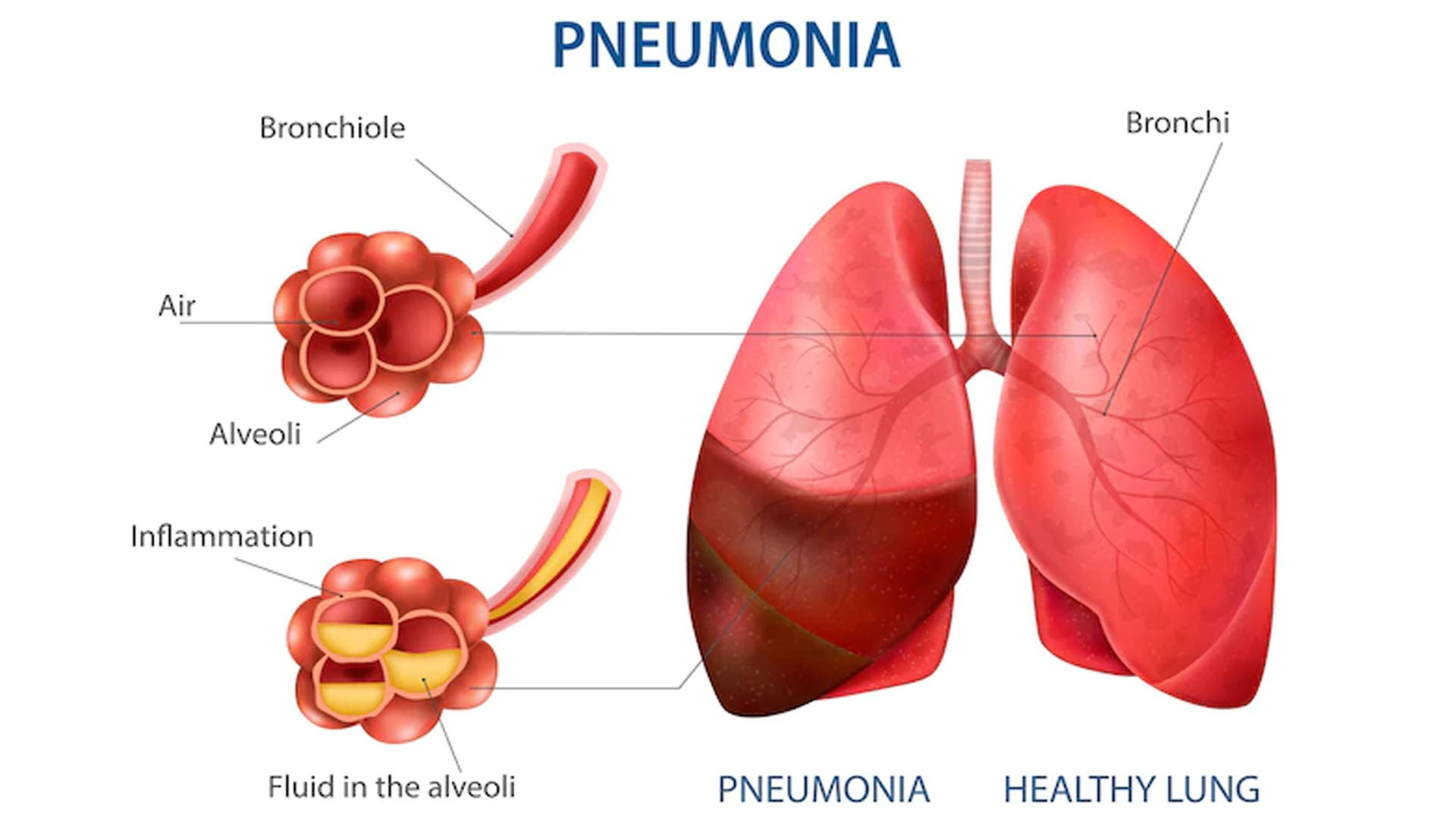
This condition refers to elevated levels of lipids (fats) in the blood and significantly increases the risk of cardiovascular diseases. Understanding hyperlipidemia is essential for maintaining heart health over time.
- Main Indicators: Often asymptomatic but may be indicated by chest pain or other heart-related issues experienced later on due to plaque buildup in arteries.
- Causative Elements: Unhealthy diet rich in saturated fats and trans fats alongside sedentarism plays a major role; genetics also influences lipid levels substantially.
- Disease Detection Methods: Regular cholesterol screenings during routine check-ups help identify hyperlipidemia early on before serious complications arise.
- Treatment Pathways: Lifestyle adjustments combined with medications like statins aim at lowering cholesterol levels effectively while encouraging healthier habits for long-lasting impact on heart health.
- Your Health Outlook: Adhering closely to prescribed treatments will aid in monitoring lipid profiles effectively alongside regular evaluations with your healthcare team.
A proactive approach in managing this condition contributes greatly towards reducing cardiovascular risks in the future.
CHRONIC OBSTRUCTIVE PULMONARY DISEASE (COPD)
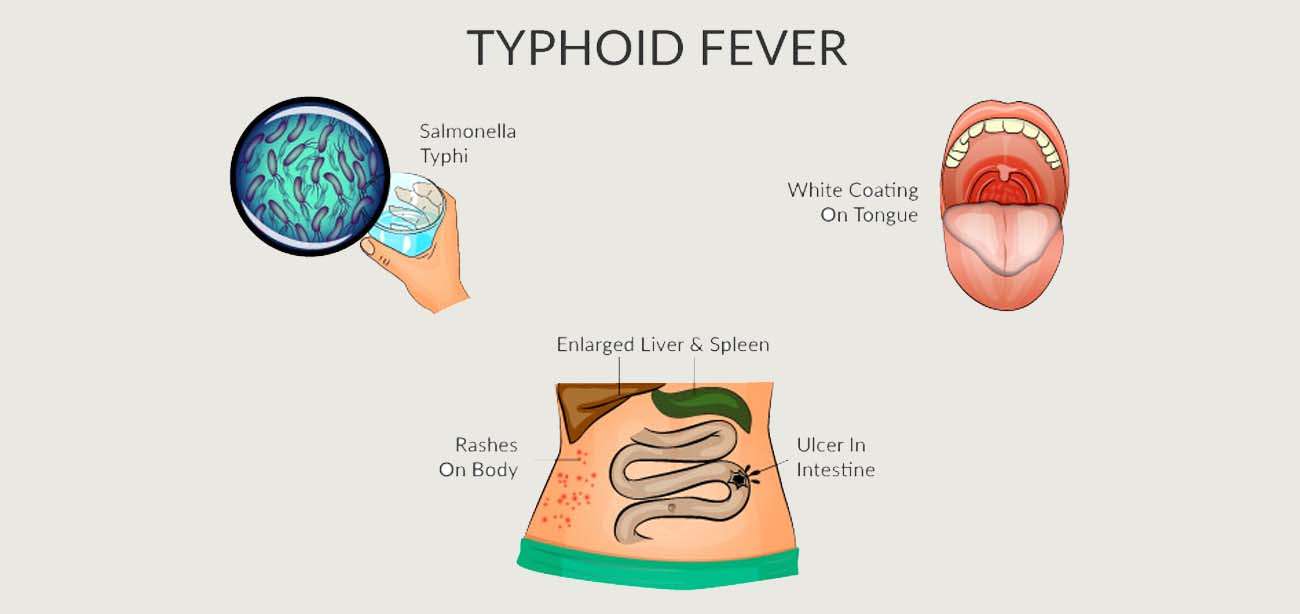
COPD is a progressive lung disease that makes breathing difficult. It encompasses conditions like emphysema and chronic bronchitis and primarily results from long-term exposure to irritating gases or particulate matter.
- Main Symptoms: Symptoms typically include coughing with mucus production, wheezing, chest tightness, and increased shortness of breath during physical activities.
- Pivotal Causes: Smoking is the leading cause; however, air pollution and occupational exposures can also play significant roles.
- Disease Diagnosis: A thorough examination including lung function tests is important to assess airflow limitation indicative of COPD during diagnosis.
- Treatment Options Available: Management focuses on lifestyle modifications like quitting smoking while utilizing bronchodilators or steroids to ease respiratory symptoms efficiently.
- Your Journey Ahead: Regular follow-ups are necessary for monitoring progression while ensuring a good quality of life through appropriate interventions.
A collaborative care plan tailored specifically for you can greatly enhance symptom management in everyday life.
TYPE 2 DIABETES MANAGEMENT
Type 2 diabetes is a chronic condition that affects the way your body metabolizes sugar (glucose), an important source of fuel for your body. Understanding its management can help prevent complications associated with this disease.
- Key Symptoms: Increased thirst, frequent urination, extreme fatigue, blurred vision, and slow healing sores are common indicators.
- Causative Factors: Obesity, sedentary lifestyle, genetic predisposition, and insulin resistance contribute significantly to the condition's onset.
- Diagnosis Methods: Blood tests measuring glucose levels are essential for diagnosing diabetes and assessing A1C levels for long-term management.
- Treatment Strategies: Effective management often involves dietary modifications, physical activity enhancements, along with medications that improve insulin sensitivity.
- Your Expectations: Adopting a proactive approach can lead to improved energy levels and overall health while reducing long-term risks associated with diabetes.
A continuous partnership with your healthcare team is vital for optimizing your treatment plan effectively.
HYPERTENSION
Hypertension, or high blood pressure, is a common condition that can lead to serious health complications if left unmanaged. It often develops over many years and may not present any noticeable symptoms initially.
- Common Symptoms: Many individuals do not experience symptoms; however, headaches, shortness of breath, or nosebleeds may occur in severe cases.
- Causes: Factors include genetics, obesity, smoking, high salt intake, and chronic kidney disease.
- Diagnosis: A healthcare provider typically diagnoses hypertension through regular blood pressure readings during routine check-ups.
- Treatment Options: Management includes lifestyle changes such as proper diet and exercise, as well as medications like diuretics or ACE inhibitors when necessary.
- What to Expect: With effective management, most patients can maintain a normal blood pressure level and reduce risk of complications.
It’s crucial to monitor your blood pressure regularly and consult your healthcare provider for personalized strategies to manage this condition.