
Dr Kireet Kumar D
About Me
Dr Kireet Kumar D
MBBS
General Physician
Biography
My Clinic
OPD Hours
| Monday | Morning | 10:00 AM | - | 02:00 PM |
| Evening | 06:00 PM | - | 09:00 PM | |
| Tuesday | Morning | 10:00 AM | - | 02:00 PM |
| Evening | 06:00 PM | - | 09:00 PM | |
| Wednesday | Morning | 10:00 AM | - | 02:00 PM |
| Evening | 06:00 PM | - | 09:00 PM | |
| Thursday | Morning | 10:00 AM | - | 02:00 PM |
| Evening | 06:00 PM | - | 09:00 PM | |
| Friday | Morning | 10:00 AM | - | 02:00 PM |
| Evening | 06:00 PM | - | 09:00 PM | |
| Saturday | Morning | 10:00 AM | - | 02:00 PM |
| Evening | 06:00 PM | - | 09:00 PM | |
| Sunday | Morning | 10:00 AM | - | 02:00 PM |
| Evening | 06:00 PM | - | 09:00 PM |
Treatments
Specialised care and treatments offered
PREVENTIVE HEALTH SCREENINGS
Preventive health screenings are vital tools in identifying potential health issues before they become serious. Engaging in regular screenings empowers individuals to take proactive steps towards their well-being.
- Benefits: Early detection allows for timely intervention which can greatly improve outcomes .
- Types of Screenings: Common screenings include cholesterol checks , mammograms , colonoscopies , among others .
- Recommendations: Frequency depends on age , family history , and risk factors ; consult with your physician regarding personalized plans .
Committing to preventive measures fosters a healthier lifestyle while reducing risks associated with various illnesses over time .
ANEMIA EVALUATION

Anemia refers to a decrease in red blood cells or hemoglobin in the body resulting in decreased oxygen flow. Understanding its causes allows for effective treatment strategies tailored to each individual's needs.
- Symptoms: Fatigue , weakness , paleness , and shortness of breath may indicate anemia .
- Diagnosis Methods: Blood tests measuring hemoglobin levels are essential for diagnosing this condition .
- Treatment Options: Treatments vary from dietary changes to iron supplements or more advanced medical therapies based on underlying causes .
By recognizing symptoms early on , individuals can work towards restoring their energy levels through appropriate interventions .
GASTROESOPHAGEAL REFLUX DISEASE (GERD)

This condition involves the backflow of acid from the stomach into the esophagus causing discomfort. Understanding GERD can help patients take charge of their digestive health.
- Main Symptoms: Heartburn, regurgitation of food or sour liquid, difficulty swallowing, and chronic cough may occur
- Your Diagnosis: Diagnosis typically involves endoscopy or pH monitoring tests conducted by healthcare professionals.
The goal of treatment is not only symptom management but also prevention of potential complications like esophageal damage over time.
CHRONIC RESPIRATORY DISEASES
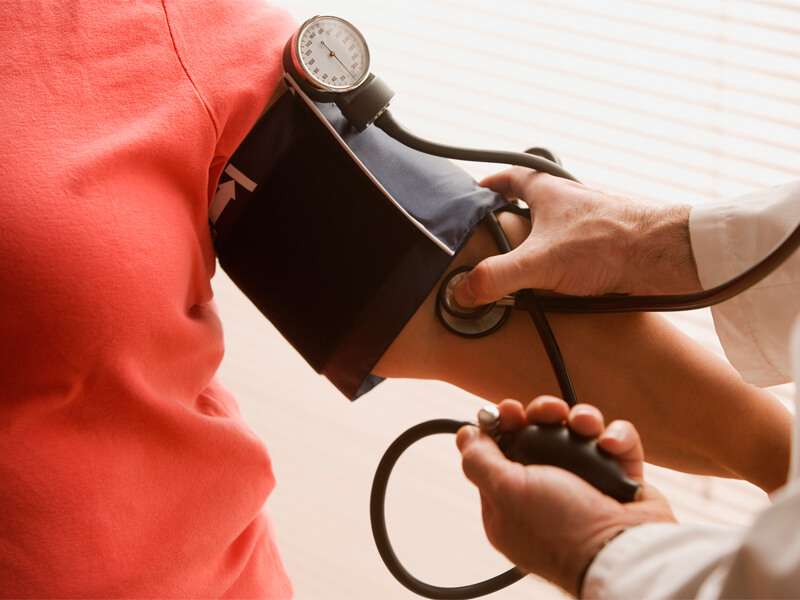
Chronic respiratory diseases encompass conditions like asthma and COPD that affect airflow and breathing. Managing these diseases effectively is essential for maintaining quality of life.
- Symptoms: Commonly include shortness of breath, wheezing, chronic cough, and chest tightness.
- Diagnosis Methods: Physicians use spirometry tests to evaluate lung function alongside patient history assessments.
- Treatment Approaches: Involves bronchodilators, corticosteroids, or oxygen therapy depending on severity.
A robust plan tailored to individual needs can significantly enhance daily functioning for those affected by chronic respiratory conditions.
DIABETES MELLITUS CARE

Diabetes is a chronic condition characterized by elevated blood glucose levels due to insulin resistance or deficiency. Understanding this condition can empower patients to manage their health effectively.
- Conditions: Symptoms often include increased thirst, frequent urination, fatigue, and blurred vision.
- Diagnosis: Usually confirmed through fasting blood glucose tests or HbA1c measurements indicating long-term glucose control.
- Treatment Plans: May require lifestyle changes alongside medications such as metformin or insulin therapy for better glycemic control.
- Lifestyle Management: Healthy eating patterns and regular exercise play a critical role in managing diabetes successfully.
If managed properly, individuals with diabetes can lead healthy lives and minimize the risk of complications.
HYPERTENSION MANAGEMENT

Hypertension, or high blood pressure, is a common condition that can lead to serious health issues if not managed appropriately. Many individuals may be unaware they have hypertension until it leads to complications.
- Symptoms: Often asymptomatic; may include headaches, dizziness, and nosebleeds.
- Diagnosis: Typically diagnosed through regular blood pressure measurements during health check-ups.
- Treatment Options: Lifestyle changes such as diet modifications, exercise, and medication like diuretics or ACE inhibitors.
- Management: Regular monitoring and follow-up visits are vital to ensure effective control of blood pressure levels.
- What to Expect: With proper management, individuals can maintain normal blood pressure and reduce the risks of heart disease or stroke.
A comprehensive approach to managing hypertension is crucial for long-term health and well-being.