
Dr Kishan LAL Ja
About Me
Dr Kishan LAL Ja
DO
Ophthalmologist
10 Years Experience
Biography
My Clinic
OPD Hours
| Monday | Morning | 10:00 AM | - | 02:00 PM |
| Evening | 06:00 PM | - | 09:00 PM | |
| Tuesday | Morning | 10:00 AM | - | 02:00 PM |
| Evening | 06:00 PM | - | 09:00 PM | |
| Wednesday | Morning | 10:00 AM | - | 02:00 PM |
| Evening | 06:00 PM | - | 09:00 PM | |
| Thursday | Morning | 10:00 AM | - | 02:00 PM |
| Evening | 06:00 PM | - | 09:00 PM | |
| Friday | Morning | 10:00 AM | - | 02:00 PM |
| Evening | 06:00 PM | - | 09:00 PM | |
| Saturday | Morning | 10:00 AM | - | 02:00 PM |
| Evening | 06:00 PM | - | 09:00 PM | |
| Sunday | Morning | 10:00 AM | - | 02:00 PM |
| Evening | 06:00 PM | - | 09:00 PM |
Treatments
Specialised care and treatments offered
PRESBYOPIA MANAGEMENT
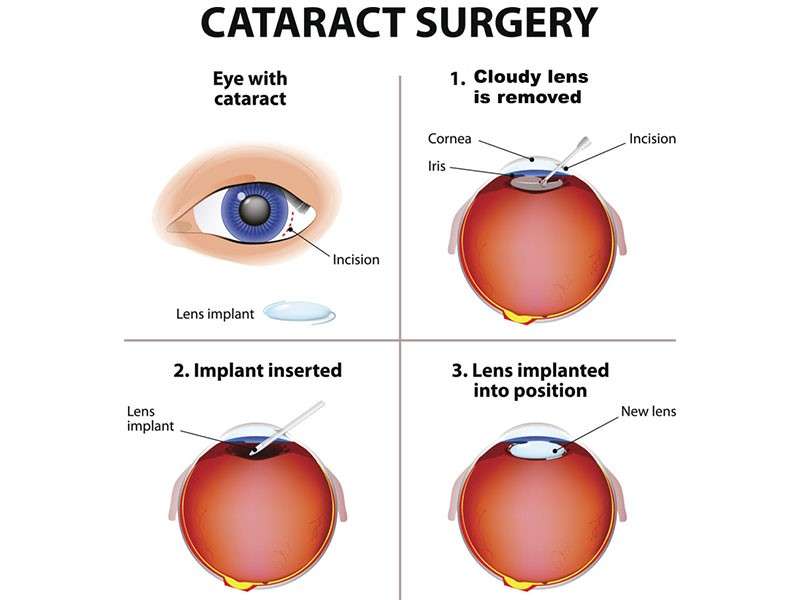
A natural age-related change causing difficulty focusing on nearby objects typically noticed after age 40. It arises due to decreased flexibility of the lens inside the eye leading to blurred near vision tasks such as reading or using smartphones.
- This manifests mostly as headaches or eye strain after close work accompanied by needing to hold reading material farther away than usual;
- The condition is diagnosed through routine comprehensive eye exams including refraction tests evaluating focusing ability at different distances;
CONJUNCTIVITIS PREVENTION AND CARE
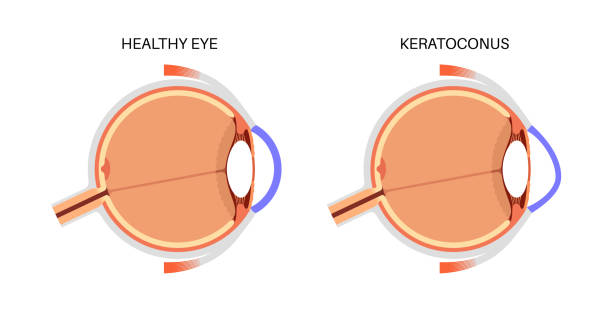
An inflammation of the conjunctiva known commonly as pink eye affecting people across all ages. It can be caused by infections, allergies, or irritants requiring different approaches depending on origin.
- The hallmark symptoms include redness, itching, discharge especially in infectious cases plus a gritty feeling in the affected eyes;
- A precise diagnosis relies on clinical examination distinguishing between viral, bacterial or allergic conjunctivitis based on history & presentation;
- Treatment varies: bacterial forms need antibiotics whereas viral types require supportive care including lubrication; allergic forms benefit from antihistamines;
- Lifestyle precautions such as maintaining hand hygiene avoid touching eyes frequently and disinfecting surfaces help prevent spread;
Taking preventive measures alongside timely recognition allows effective management limiting discomfort duration while reducing transmission of infectious conjunctivitis among close contacts effectively.
AMBLYOPIA (LAZY EYE) MANAGEMENT

Amblyopia occurs when one eye develops poor vision during childhood because the brain favors the other eye. Early intervention can greatly improve outcomes before adulthood.
- This condition often presents as decreased vision in one eye despite no apparent structural abnormality; parents might notice squinting or head tilting in children.
- An ophthalmic exam including visual acuity testing helps establish diagnosis along with assessing binocular function.
- Treatment primarily involves correcting refractive errors with glasses followed by measures like patching the stronger eye to stimulate the weaker eye’s development over several months or years depending on severity.
- Lifestyle factors such as encouraging use of both eyes during activities support neural plasticity essential for improvement especially at younger ages.
A monitored treatment plan can enhance visual performance while minimizing long-term impairments associated with untreated amblyopia in formative years.
COMPUTER VISION SYNDROME
With increasing screen use, Computer Vision Syndrome (CVS) presents as eye strain caused by prolonged digital device exposure. Understanding this helps minimize discomfort associated with modern lifestyles.
- The main symptoms include dry eyes, blurred vision, headache, and neck or shoulder pain after screen use.
- The diagnosis is mostly clinical based on history supported by eye examinations measuring focusing ability and blink rate analysis.
- Treatments emphasize ergonomic modifications like proper lighting, screen positioning, frequent breaks following the 20-20-20 rule (every 20 minutes look at something 20 feet away for 20 seconds).
- The use of lubricating eye drops can relieve dryness while anti-glare screens reduce strain from reflections.
Lifestyle changes tailored to digital habits play a vital role in preventing CVS symptoms from worsening or becoming chronic conditions requiring more intensive interventions.
GLAUCOMA MONITORING
This condition affects the optic nerve usually due to increased pressure inside the eye, potentially leading to vision loss if untreated. Regular checkups are crucial for prevention.
- Symptoms are often subtle initially; peripheral vision loss may happen unnoticed in early stages.
- The diagnostic process includes measuring intraocular pressure, visual field testing, and optic nerve imaging.
- Lifestyle adjustments involve avoiding activities that raise eye pressure excessively and adhering to prescribed medications diligently.
- Treatment commonly includes eye drops, oral medication or laser therapy aimed at lowering intraocular pressure.
- Lifelong monitoring with periodic appointments ensures timely detection of any progression or complications.
Early detection through consistent screening is key to preserving vision when managing glaucoma effectively over time.
DRY EYE SYNDROME
Dry Eye Syndrome is a common condition where your eyes don't produce enough tears or the tears evaporate too quickly, leading to discomfort and visual disturbance.
- Symptoms include redness, burning sensation, itchiness, and a feeling of grittiness in the eyes.
- Causes range from environmental factors like wind and screen time to medical conditions and aging.
- Diagnosis involves a thorough eye examination including tear film tests and evaluation of symptoms.
- Treatment focuses on lifestyle adjustments such as reducing screen exposure, using humidifiers, and applying artificial tears regularly.
- Management may include nutritional supplements like omega-3 fatty acids and avoiding irritants such as smoke and dry environments.
Caring for dry eyes often requires ongoing attention but with proper management, symptoms can be significantly alleviated improving comfort and vision quality.