
Dr Kishor Chhotalal Mehta
About Me
Dr Kishor Chhotalal Mehta
Cardiologist
Biography
My Clinic
OPD Hours
| Tuesday | Morning | 10:00 AM | - | 02:00 PM |
| Evening | 06:00 PM | - | 09:00 PM | |
| Wednesday | Morning | 10:00 AM | - | 02:00 PM |
| Evening | 06:00 PM | - | 09:00 PM | |
| Thursday | Morning | 10:00 AM | - | 02:00 PM |
| Evening | 06:00 PM | - | 09:00 PM | |
| Friday | Morning | 10:00 AM | - | 02:00 PM |
| Evening | 06:00 PM | - | 09:00 PM | |
| Saturday | Morning | 10:00 AM | - | 02:00 PM |
| Evening | 06:00 PM | - | 09:00 PM | |
| Sunday | Morning | 10:00 AM | - | 02:00 PM |
| Evening | 06:00 PM | - | 09:00 PM | |
| Thursday | Morning | 10:00 AM | - | 02:00 PM |
| Evening | 06:00 PM | - | 09:00 PM |
Treatments
Specialised care and treatments offered
ARRHYTHMIA EVALUATION

An arrhythmia evaluation is critical for diagnosing irregularities in heartbeat patterns that can affect circulatory efficiency. Understanding these variations assists healthcare providers in determining appropriate interventions including preventive measures against severe cardiac conditions down the line
.- . Description: Strong >> Symptoms may vary widely ranging from palpitations , dizziness , feeling faint until observable episodes occur causing concern warranting medical attention . / il >
STRESS TESTS
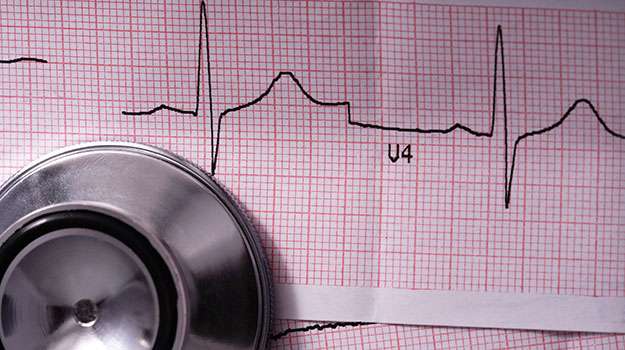
A stress test evaluates how well your heart functions under physical exertion. It helps identify issues that may not be apparent at rest but manifest when the heart is stressed during exercise or pharmacologically induced stress conditions.
- Symptoms Indicating Need for Test: Patients often report chest discomfort, shortness of breath during exertion which stimulates testing protocols to appropriately assess their cardiovascular fitness.
- Causes: / strong>: Various reasons including seeking clarification regarding unexplained symptoms alongside historical data suggesting susceptibility towards cardiac events influence decision-making around stress testing. / li >
This diagnostic method enables accurate detection of coronary artery diseases ultimately guiding effective treatment strategies leading toward ameliorating patient’s quality life . / p
HEART HEALTH CHECK-UPS
ELECTROCARDIOGRAM (ECG)
An electrocardiogram (ECG) is a simple yet vital procedure that records the electrical activity of the heart. This test provides valuable insights into heart rhythm abnormalities and overall cardiac function.
- Symptoms: Patients may undergo an ECG if they experience chest pain, palpitations, or unexplained fatigue.
- Causes for Testing: Reasons for an ECG include family history of heart disease or prior episodes of irregular heartbeat.
- Diagnosis Process: The procedure involves placing electrodes on the skin that capture electrical signals generated by the heart's activities.
- Treatment Implications: Results guide further actions ranging from lifestyle modifications to medications or additional tests recommended based on findings.
This diagnostic tool plays a key role in assessing one’s cardiac health effectively and promptly addressing any identified issues.
CHOLESTEROL SCREENING
A cholesterol screening is crucial for assessing cardiovascular health by measuring lipid levels in the blood. High cholesterol contributes to plaque buildup in arteries, which can lead to heart disease.
- Symptoms: Typically there are no symptoms associated with high cholesterol until serious issues arise.
- Causes: Factors include an unhealthy diet rich in saturated fats, sedentary lifestyle, and genetic predisposition.
- Diagnosis: A simple blood test—known as a lipid panel—measures levels of LDL (bad) and HDL (good) cholesterol.
- Treatment: If levels are elevated, lifestyle changes such as better nutrition and increased physical activity might be recommended or medication prescribed if necessary.
- Expectations: Regular screenings can help track progress and adjust treatment to lower cholesterol effectively over time.
This proactive approach is vital in preventing potential heart-related problems down the line.
HYPERTENSION MANAGEMENT
Hypertension, commonly known as high blood pressure, is a significant health concern affecting millions globally. It often goes unnoticed as it usually does not present noticeable symptoms. However, unmanaged hypertension can lead to severe complications such as heart disease and stroke.
- Symptoms: Many individuals may be asymptomatic; however, some might experience headaches, shortness of breath, or nosebleeds.
- Causes: Factors include genetic predisposition, poor diet, lack of physical activity, and excessive alcohol consumption.
- Diagnosis: Blood pressure is monitored using a sphygmomanometer during routine check-ups or specific testing sessions.
- Treatment: Management utilizes lifestyle changes such as improved diet and exercise along with medications when necessary.
- Expectations: Regular monitoring and adjustments in treatment plans are essential to maintain optimal blood pressure levels.
Proper management of hypertension can significantly reduce the risk of heart complications and improve overall health outcomes.