
Dr Kishore Kumar
About Me
Dr Kishore Kumar
MBBS
General Physician
10 Years Experience
Biography
My Clinic
OPD Hours
| Monday | Morning | 10:00 AM | - | 02:00 PM |
| Evening | 06:00 PM | - | 09:00 PM | |
| Tuesday | Morning | 10:00 AM | - | 02:00 PM |
| Evening | 06:00 PM | - | 09:00 PM | |
| Wednesday | Morning | 10:00 AM | - | 02:00 PM |
| Evening | 06:00 PM | - | 09:00 PM | |
| Thursday | Morning | 10:00 AM | - | 02:00 PM |
| Evening | 06:00 PM | - | 09:00 PM | |
| Friday | Morning | 10:00 AM | - | 02:00 PM |
| Evening | 06:00 PM | - | 09:00 PM | |
| Saturday | Morning | 10:00 AM | - | 02:00 PM |
| Evening | 06:00 PM | - | 09:00 PM | |
| Sunday | Morning | 10:00 AM | - | 02:00 PM |
| Evening | 06:00 PM | - | 09:00 PM |
Treatments
Specialised care and treatments offered
ANEMIA TREATMENT

Anemia results when there is insufficient hemoglobin in your red blood cells. This condition leads to feelings of fatigue and weakness among affected individuals. Proper diagnosis is key to targeted treatment options tailored accordingly.
:!>GASTROESOPHAGEAL REFLUX DISEASE (GERD)

This digestive disorder occurs when stomach acid frequently flows back into the esophagus. Recognizing GERD's symptoms leads to effective management strategies.
- Main Symptoms: Heartburn and acid regurgitation are typical complaints among those suffering from GERD. Others may experience difficulty swallowing or chronic coughs as well.
- ,Causative Factors: Poor diet choices, obesity, smoking status increase risks of developing GERD significantly./small/>,
Psycho-Logic-emotionaliczation-y-symptomatic-psychological-factor/heighten-Expectations/Causative_regular-symptom_checkups-discontinuity_lack medicine/
ASTHMA CARE
Asthma is a chronic respiratory condition characterized by inflammation of the airways. Understanding this disease is essential for effective control over symptoms.
- Symptoms: Common signs include wheezing, coughing, chest tightness, and shortness of breath, especially during physical exertion or at night.
DIABETES MANAGEMENT

Diabetes is a chronic condition that affects how your body processes glucose, which is essential for energy. Ongoing management is vital for preventing complications.
- Types: The two main types are Type 1 diabetes (insulin-dependent) and Type 2 diabetes (often linked with lifestyle factors).
- Symptoms: Increased thirst, frequent urination, fatigue, and blurred vision can indicate elevated blood sugar levels.
- Diagnosis: Blood tests measuring glucose levels determine whether one has diabetes.
- Treatment: Options include insulin therapy for Type 1 and lifestyle modifications or medications for Type 2 diabetes to manage blood sugar levels effectively.
- Coping Strategies: Regular monitoring of glucose levels and having a personalized meal plan are crucial for daily management.
A proactive approach to managing diabetes can lead to a healthier life without significant limitations.
HYPERTENSION
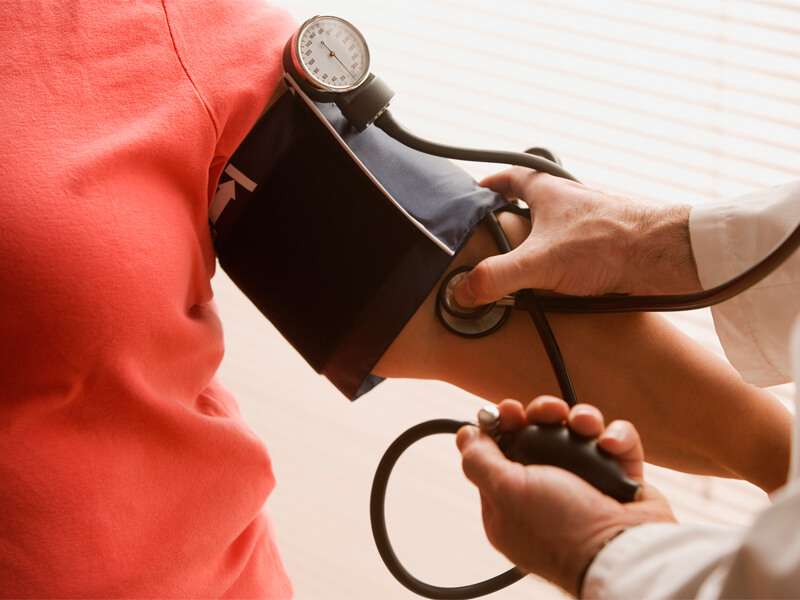
Hypertension, or high blood pressure, is a condition that can lead to serious cardiovascular problems if left untreated. Managing hypertension is crucial for maintaining overall health.
- Symptoms: Often referred to as a silent killer, it typically shows no symptoms but can cause headaches, shortness of breath, and nosebleeds in extreme cases.
- Causes: Risk factors include obesity, sedentary lifestyle, excessive alcohol consumption, and family history.
- Diagnosis: Blood pressure readings taken during routine check-ups confirm the condition.
- Treatment: Lifestyle changes such as a balanced diet and exercise are recommended, alongside medications like diuretics or beta-blockers if necessary.
- What to Expect: Regular monitoring and adjustments to treatment plans help maintain healthy blood pressure levels.
Pursuing effective management techniques can significantly reduce the risks associated with hypertension.