
Dr Kishore Kumar
About Me
Dr Kishore Kumar
DO
Ophthalmologist
Biography
My Clinic
OPD Hours
| Monday | Morning | 10:00 AM | - | 02:00 PM |
| Evening | 06:00 PM | - | 09:00 PM | |
| Tuesday | Morning | 10:00 AM | - | 02:00 PM |
| Evening | 06:00 PM | - | 09:00 PM | |
| Wednesday | Morning | 10:00 AM | - | 02:00 PM |
| Evening | 06:00 PM | - | 09:00 PM | |
| Thursday | Morning | 10:00 AM | - | 02:00 PM |
| Evening | 06:00 PM | - | 09:00 PM | |
| Friday | Morning | 10:00 AM | - | 02:00 PM |
| Evening | 06:00 PM | - | 09:00 PM | |
| Saturday | Morning | 10:00 AM | - | 02:00 PM |
| Evening | 06:00 PM | - | 09:00 PM | |
| Sunday | Morning | 10:00 AM | - | 02:00 PM |
| Evening | 06:00 PM | - | 09:00 PM |
Treatments
Specialised care and treatments offered
PEDIATRIC EYE EXAMINATION
Pediatric eye examinations play a fundamental role in ensuring healthy visual development in children. Regular check-ups help identify potential issues early on when they are most treatable. Parents should prioritize these assessments!
- Common issues assessed during pediatric exams include refractive errors such as myopia (nearsightedness) or hyperopia (farsightedness).
- Sneak peek signs might manifest as squinting frequently or difficulty focusing on objects at various distances among children.
- Pediatricians typically recommend baseline screenings around ages 3-5 but ongoing evaluations are key if concerns arise later during school years too!
- Treatment may involve corrective lenses—glasses/contacts—or even referral for further specialist evaluation if needed depending on findings during assessments.
Investing time into routine pediatric eye checks ensures children achieve their best visual potential while supporting overall learning development!
RETINAL DETACHMENT REPAIR
A retinal detachment occurs when the retina separates from its underlying supportive tissue. This serious condition requires immediate attention as it can lead to permanent vision loss if not treated promptly. Understanding signs and treatment options can save sight!
- The most common symptoms include sudden flashes of light, floaters in your field of vision, or a shadow appearing over your visual field.
- Risk factors encompass previous eye surgery, severe myopia (nearsightedness), or trauma to the eye which might predispose someone to detachments.
- An ophthalmologist diagnoses retinal detachment through careful examinations including ultrasound imaging if necessary.
- Treatments like laser surgery or vitrectomy aim to reattach the retina effectively; timely intervention greatly improves outcomes.
If you experience any warning signs indicating potential retinal problems, seeking immediate care from an ophthalmologist could be vital for preserving your eyesight!
AGE-RELATED MACULAR DEGENERATION (AMD) ASSESSMENT
Age-related macular degeneration (AMD) is a leading cause of vision loss among older adults. Understanding this condition provides insight into its effects on daily life and emphasizes early detection through proper assessments.
- This condition affects the macula—the part of the retina responsible for central vision—leading to blurriness or blind spots.
- Risk factors include advancing age, family history, smoking, and obesity among others.
- A comprehensive eye exam helps diagnose AMD through visual acuity tests and retinal imaging techniques such as optical coherence tomography (OCT).
- Treatment may involve lifestyle changes along with options like injections or laser therapy depending on AMD type (dry or wet).
If you notice changes in your central vision as you age, consulting an ophthalmologist for an assessment is highly recommended so that appropriate measures can be taken promptly.
DIABETIC RETINOPATHY TREATMENT
Diabetic retinopathy is a complication of diabetes that affects blood vessels in the retina. It can lead to serious vision issues if left untreated. Awareness of this condition is crucial for individuals with diabetes as proactive measures can significantly reduce risks.
- The primary cause is high blood sugar levels damaging retinal blood vessels over time, leading to leakage or blockage.
- Symptoms may include blurred vision, dark spots in vision, or difficulty seeing colors clearly.
- Diagnosis involves comprehensive dilated eye exams to assess the retina's health and detect changes accurately.
- Treatment options range from laser therapy to vitrectomy based on severity; managing blood sugar levels also plays a critical role in prevention.
If you're living with diabetes, it's important to maintain regular check-ups with your ophthalmologist to monitor eye health effectively.
GLAUCOMA SCREENING
Glaucoma is often referred to as the 'silent thief of sight' because it can progress without noticeable symptoms until significant damage has occurred. Regular screenings are vital for early detection and prevention of vision loss associated with this condition.
- This condition typically causes increased intraocular pressure, which can lead to optic nerve damage.
- Symptoms may not appear until advanced stages; however, peripheral vision loss might occur over time.
- A glaucoma screening includes measuring eye pressure, assessing the optic nerve, and testing visual fields.
- If diagnosed early, management options like medications or laser treatment can effectively control progression and protect vision.
Scheduling regular screenings is essential for maintaining eye health, especially if you have risk factors for glaucoma such as family history or age over 40.
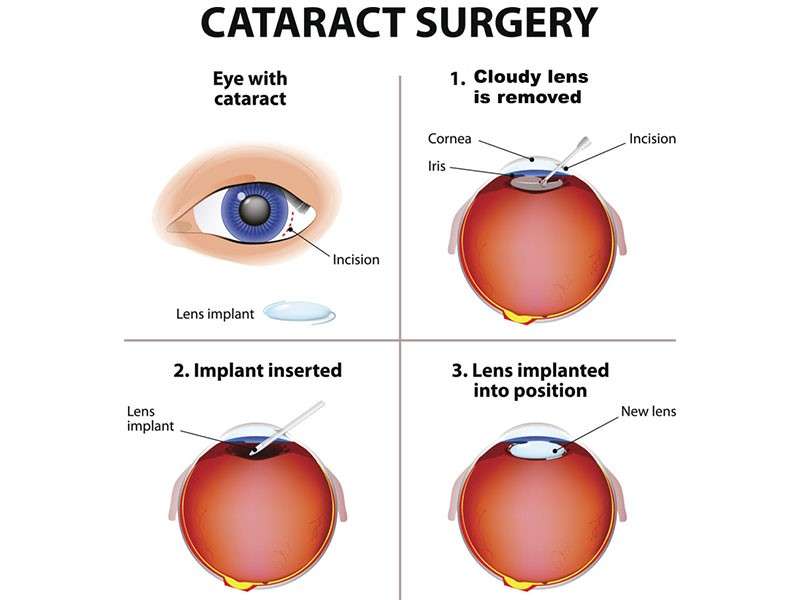
CATARACT SURGERY
Cataracts are a common eye condition characterized by the clouding of the lens, which can impair vision. It often develops gradually and is frequently associated with aging. Treatment generally involves surgical intervention to restore clarity.
- Symptoms include hazy vision, glare from lights, and difficulty seeing at night.
- Cataracts are diagnosed through a comprehensive eye examination, which may include visual acuity tests and dilated eye exams.
- Treatment primarily involves surgery, where the cloudy lens is removed and usually replaced with an artificial lens.
- Post-surgery recovery typically involves using prescribed eye drops and attending follow-up appointments to monitor healing.
If you experience symptoms related to cataracts, it is crucial to consult an ophthalmologist for a thorough evaluation and discussion of potential treatment options.