
Dr kk verma bikan
About Me
Dr kk verma bikan
MD
Neurologist
Biography
My Clinic
OPD Hours
| Monday | Morning | 10:00 AM | - | 02:00 PM |
| Evening | 06:00 PM | - | 09:00 PM | |
| Tuesday | Morning | 10:00 AM | - | 02:00 PM |
| Evening | 06:00 PM | - | 09:00 PM | |
| Wednesday | Morning | 10:00 AM | - | 02:00 PM |
| Evening | 06:00 PM | - | 09:00 PM | |
| Thursday | Morning | 10:00 AM | - | 02:00 PM |
| Evening | 06:00 PM | - | 09:00 PM | |
| Friday | Morning | 10:00 AM | - | 02:00 PM |
| Evening | 06:00 PM | - | 09:00 PM | |
| Saturday | Morning | 10:00 AM | - | 02:00 PM |
| Evening | 06:00 PM | - | 09:00 PM | |
| Sunday | Morning | 10:00 AM | - | 02:00 PM |
| Evening | 06:00 PM | - | 09:00 PM |
Treatments
Specialised care and treatments offered
NEUROSTIMULATION FOR CHRONIC PAIN

If persistent pain affects your quality of life despite trying multiple strategies for relief then Neurostimulation, specifically spinal cord stimulation may serve as an effective solution! It involves implanting a device that delivers electrical impulses directly targeting nerves responsible for transmitting pain signals within spinal pathways facilitating better management plans overall!
- Common indications range from neuropathic discomfort stemming from injuries alongside conditions like fibromyalgia significantly hampering well-being levels throughout day-to-day activities.
- Diagnosis incorporates detailed histories capturing detail about previous unsuccessful analgesics tried thus far guiding clinical discussions going forward into procedural options available next steps beyond mere prescriptions alone.
- During implantation procedures patients receive adequate sedation followed closely monitored supervision ensuring consistent efficacy achieved steadily post-op through regular adjustment sessions managed collaboratively adjusting settings based upon initial responses then building gradually til satisfying endpoints reached achieved comfortably without heavy reliance dependency medications habitually needed prior!
Gradual realization emerges shining brightly illustrating genuinely bright new horizons awaited filled hopes renewed once successfully completed positively transforming perspectives similar experiences across all fronts benefiting wider communities impacted invariably together throughout journeys undertaken collectively sharing stories forwarding advocacy further advancing mainstream acceptance stemming these innovative therapies out there making real difference each step taken affirmatively onward ahead toward healthier futures full recovery beckoning around now every corner yet momentarily hidden just behind sight awaiting discovery always cultivating courage!
VAGUS NERVE STIMULATION (VNS)
A game-changing approach called Vagus Nerve Stimulation offers an adjunctive treatment option for epilepsy and depression. This therapy involves delivering electrical impulses via a device implanted under the skin near your collarbone that stimulates parts of your nervous system involved in mood regulation and seizure control.
- Suitable candidates often struggle with uncontrolled seizures despite maximum medication management or major depressive disorders that resist conventional treatments.
- A comprehensive evaluation process assesses both medical history and current health status before implantation follows strict guidelines ensuring effectiveness while minimizing risks during surgery.
- Therapy adjustments after placement enhance therapeutic outcomes tailored specifically towards patient needs based on ongoing assessments.
Results indicate improvements across both categories; many report fewer episodes leading back into productive living again without excessive reliance on pharmac Therapies.
CARPAL TUNNEL RELEASE
Caught in the grasp of pain or numbness? The Carpal Tunnel Release surgery could provide significant relief for individuals suffering from carpal tunnel syndrome caused by median nerve compression at the wrist.
- Patients often report symptoms such as tingling in fingers, pain radiating up the arm, or weakness in grip strength that can interfere with daily activities.
- A thorough assessment includes physical examinations and nerve conduction studies to determine severity prior to surgery.
- The surgical approach typically involves cutting the ligament pressing on the nerve, alleviating pressure and improving function rapidly afterward.
- Recovery protocols emphasize hand exercises aimed at restoring mobility while reducing swelling effectively post-operation.
This procedure boasts high success rates among practitioners specializing in hand surgery within neurology departments where timely intervention can lead to optimal outcomes!
LUMBAR PUNCTURE (SPINAL TAP)
A Lumbar puncture, commonly referred to as a spinal tap, is a vital procedure used to diagnose various neurological conditions by analyzing cerebrospinal fluid (CSF).
- This test is often performed when symptoms such as unexplained headaches or signs of meningitis are present.
- A qualified clinician guides the process which includes administering local anesthesia and inserting a needle into the lumbar region of the spine.
- The collected CSF can reveal indicators of infections, inflammation, or other neurological disorders through laboratory analysis.
- No hospitalization is usually required; however, monitoring post-procedure ensures patient safety and comfort.
The information obtained from this procedure is crucial for accurate diagnosis and subsequent management plans tailored to individual needs.
DEEP BRAIN STIMULATION (DBS)
A revolutionary treatment for certain neurological disorders, Deep Brain Stimulation involves implanting electrodes in specific brain regions. This technique is primarily used for managing Parkinson's disease and essential tremor when other treatments do not suffice.
- The treatment targets symptoms such as tremors, rigidity, and bradykinesia that severely affect daily function.
- Candidates undergo rigorous evaluations including neurological exams and imaging studies to confirm suitability.
- The procedure entails placing electrodes in the brain that connect to a pulse generator implanted under the skin of the chest.
- Pacing adjustments after surgery help tailor symptom relief while minimizing side effects.
- An essential aspect of DBS is regular follow-ups to monitor device performance and patient's response over time.
This advanced approach provides substantial symptom relief, enhancing overall well-being and independence for those affected by movement disorders.
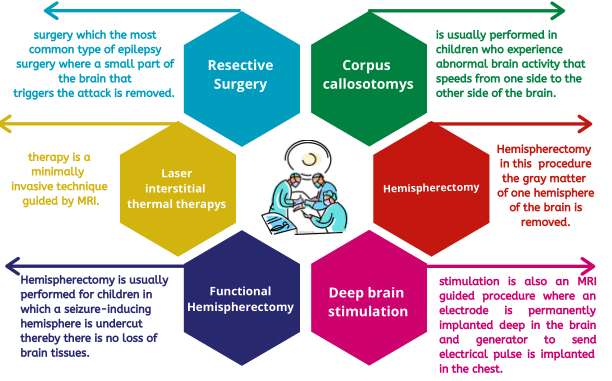
EPILEPSY SURGERY
Epilepsy can significantly impact daily life, and when medications are ineffective, surgical options may be explored. Epilepsy surgery aims to reduce or eliminate seizure frequency for patients who have not responded to conventional treatments.
- Common symptoms include recurrent seizures, which may manifest as convulsions or altered consciousness.
- Diagnosis typically involves EEG monitoring and MRI scans to identify the seizure focus in the brain.
- Surgical management may include resection of the brain tissue responsible for seizures or procedures like corpus callosotomy.
- Post-surgery, many patients experience a marked improvement in quality of life along with continued follow-up care.
- Risks associated with surgery are discussed openly with patients to prepare them for potential outcomes.
This intervention can offer hope when traditional therapies fail, allowing individuals to regain control over their lives.