
DR KM GAURI GE
About Me
DR KM GAURI GE
MBBS
General Physician
10 Years Experience
Biography
My Clinic
OPD Hours
| Monday | Morning | 10:00 AM | - | 02:00 PM |
| Evening | 06:00 PM | - | 09:00 PM | |
| Tuesday | Morning | 10:00 AM | - | 02:00 PM |
| Evening | 06:00 PM | - | 09:00 PM | |
| Wednesday | Morning | 10:00 AM | - | 02:00 PM |
| Evening | 06:00 PM | - | 09:00 PM | |
| Thursday | Morning | 10:00 AM | - | 02:00 PM |
| Evening | 06:00 PM | - | 09:00 PM | |
| Friday | Morning | 10:00 AM | - | 02:00 PM |
| Evening | 06:00 PM | - | 09:00 PM | |
| Saturday | Morning | 10:00 AM | - | 02:00 PM |
| Evening | 06:00 PM | - | 09:00 PM | |
| Sunday | Morning | 10:00 AM | - | 02:00 PM |
| Evening | 06:00 PM | - | 09:00 PM |
Treatments
Specialised care and treatments offered
THYROID FUNCTION ASSESSMENT
The thyroid gland plays a crucial role in regulating metabolism through hormone secretion. Imbalances can lead to diverse clinical symptoms requiring evaluation for appropriate management.
ARTHRITIS DIAGNOSIS & SYMPTOM MANAGEMENT

Arthritis refers to inflammation in one or more joints causing pain and stiffness affecting mobility. Identifying the type of arthritis early guides effective symptom control strategies.
ROUTINE HEALTH CHECK-UP

A routine health check-up is an important preventive measure designed to assess overall wellness and identify potential health risks before they become serious problems.
- The process includes: A detailed medical history review along with physical examinations tailored to age and risk factors.
- Screening tests performed: Blood tests assessing hemoglobin levels, cholesterol profile, liver and kidney functions are standard components.
- Lifestyle counseling: Advice on diet, exercise habits which help maintain optimal health based on findings from the check-up results.
- The benefits expected:
RESPIRATORY INFECTION EVALUATION
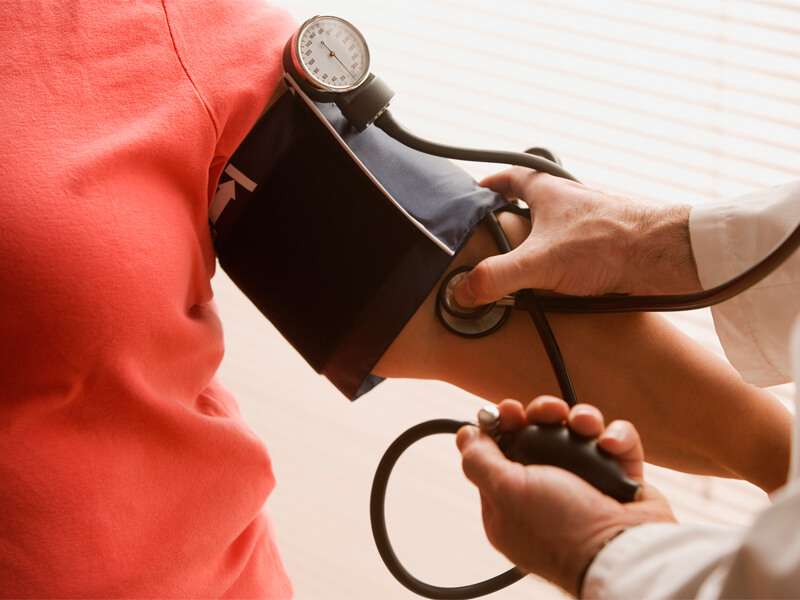
Respiratory infections range from mild common colds to more serious conditions such as pneumonia. Accurate assessment ensures appropriate treatment and minimizes complications.
- Causative agents & symptoms: Viruses or bacteria causing cough, fever, sore throat, nasal congestion.
- Diagnostic tools: Physical examination supplemented by chest X-rays, sputum tests or pulse oximetry when indicated.
- Treatment plan: Symptomatic relief through rest, hydration; antibiotics reserved for bacterial infections only.
- If symptoms persist: Further evaluation may include pulmonary function tests or specialist referral if chronic lung disease is suspected.
Careful diagnosis paired with patient education promotes recovery while preventing unnecessary antibiotic use.
DIABETES MELLITUS SCREENING AND CONTROL

Diabetes mellitus is a metabolic disorder characterized by high blood sugar levels due to insulin deficiency or resistance. Early diagnosis is essential to prevent complications affecting multiple organs.
- Risk factors and symptoms: Excessive thirst, frequent urination, fatigue; often seen in overweight individuals or those with family history.
- Diagnostic tests: Fasting blood glucose test, HbA1c levels, and oral glucose tolerance test provide accurate diagnosis.
- Treatment strategies: Diet modification, regular physical activity, oral hypoglycemic drugs or insulin therapy depending on severity.
- Long term care: Routine monitoring of blood sugar levels and screening for kidney, eye, and nerve complications are vital components of management.
A comprehensive approach involving lifestyle and medication helps maintain glycemic control and prevents progression of diabetes-related health issues.
HYPERTENSION MANAGEMENT

High blood pressure, or hypertension, is a common condition that can lead to serious health complications if left untreated. It often develops silently over many years, making regular screening important for early detection.
- Causes and symptoms: Often asymptomatic but can be influenced by genetics, diet, stress, and lifestyle factors.
- Diagnosis: Confirmed through repeated blood pressure measurements using a sphygmomanometer or ambulatory monitoring.
- Treatment options: Lifestyle modifications such as reduced salt intake and exercise, combined with medications like ACE inhibitors or beta-blockers as needed.
- Management expectations: Regular follow-ups to monitor blood pressure and adjust treatment to prevent complications like heart disease or stroke.
With consistent care and adherence to therapy, hypertension can be effectively controlled to ensure long-term well-being.